Why Is My Chain Link Fence Rusting So Fast?
Why is my chain link fence rusting so fast: the bottom rail goes first, galvanized vs vinyl-coated, and what to do about it.
Chain link rust in Denver: why the bottom rail goes first, galvanized vs vinyl-coated, and what to do about it.
Why the bottom goes first
Chain link rusts fastest at the bottom rail, where it stays wet. Soil contact, sprinkler spray, and de-icing salts all keep the bottom of the fence damp long after the top has dried. In Denver’s freeze–thaw cycles, that trapped moisture works on the galvanized coating every winter.
Once the coating is gone, the steel underneath rusts fast. A rusty bottom rail is not cosmetic — it is the rail that holds the fabric taut, and when it goes, the whole run sags.
Galvanized vs. vinyl-coated
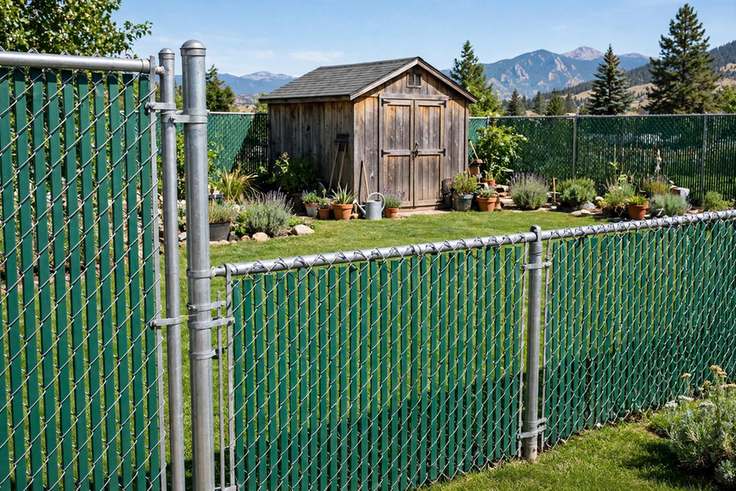
Galvanized chain link is the standard: steel wire coated in zinc. Vinyl-coated chain link adds a PVC layer over the wire — usually black or green — that protects the steel longer and looks better against a house. Market guides published Oct–Nov 2026 put chain link at about $15–$35 per linear foot installed, with vinyl-coated at the higher end.
Neither lasts forever. The coating wears first where the fence touches soil, sprinklers, or standing water. Keeping the bottom rail off the ground and the sprinklers off the fence adds years.
Fix or replace
If the rust is limited to a few sections, replace the affected sections, re-tension the fabric, and reset any terminal post that has pulled loose. If the bottom rail is rusted through across the run, or the posts are rusting at the ground line, replacement is the honest answer.
A rust-inhibiting paint can slow surface rust, but it does not restore strength to a rail that has rusted through. Call (720) 697-2456 and we will talk through whether repair or replacement fits your fence.