Why fence work in Highland is different
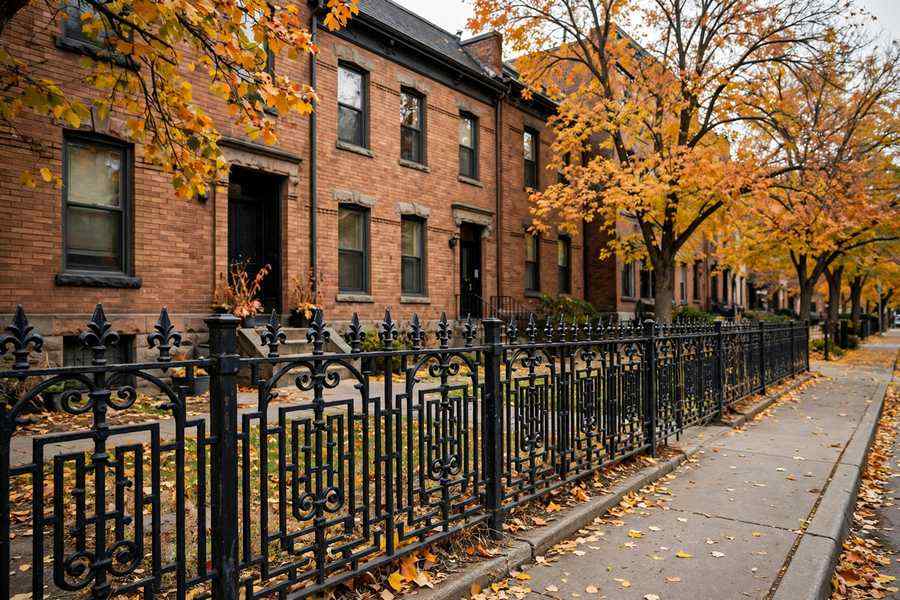
The Town of Highlands was incorporated in 1875, became a city in 1885, and was annexed by Denver in 1896 — some sources say 1890, and the variance is worth noting rather than smoothing over. Potter-Highlands, the historic core, was platted with a limit of one mansion per block, and its square blocks — 374 by 370 feet — hold interior “carriage lots” with 19th-century barns and garages along the alleys, which makes rear fence lines unusually complex. The Potter Highlands Historic District is a Denver landmark district, established 20 April 1979 and enlarged 25 February 1987, covering about 276 acres and 571 contributing buildings between Federal Boulevard, Zuni Street, 32nd Avenue, and 38th Avenue. Inside it, Landmark Preservation reviews fences and a permit is required at any height. The Scottish Highland subdivision next door, with its curving streets named Dunkeld, Fife, and Argyle, is a National Register district. Check per address, never per neighborhood.
Lower Highland (LoHi): the eastern edge
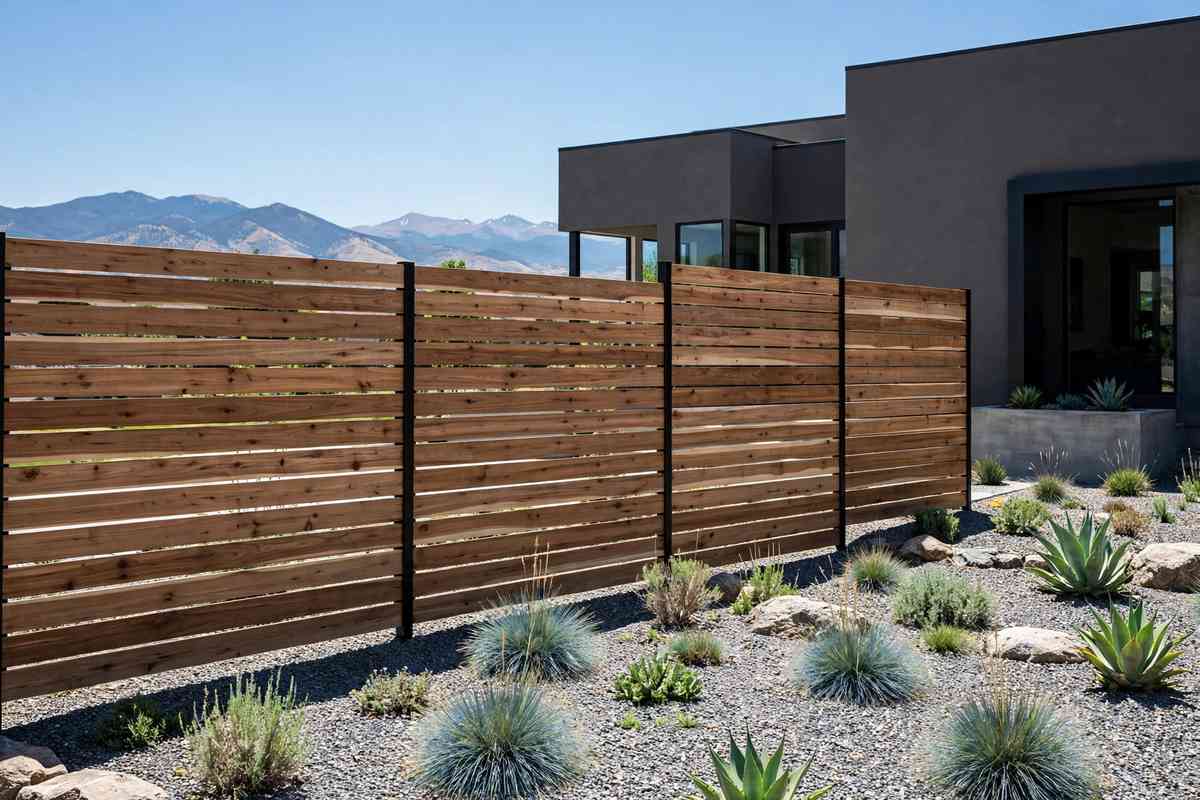
LoHi — Lower Highland, the eastern portion of the neighborhood — is a restaurant and nightlife strip, not a separate neighborhood. Its spillover reaches the residential streets: nightlife foot traffic, parking pressure, and rear fences and gates that take more wear and need locking hardware. The pedestrian bridge to Union Station, built in the early 2000s, made the eastern edge a high-foot-traffic gateway, so front fences there face constant passers-by. And Victorian brick now sits shoulder-to-shoulder with glass-and-steel townhomes, which means new builds overlook Victorian yards and drive privacy-fence demand on the older side.
- Potter Highlands Historic District: Landmark review and a permit at any height inside it
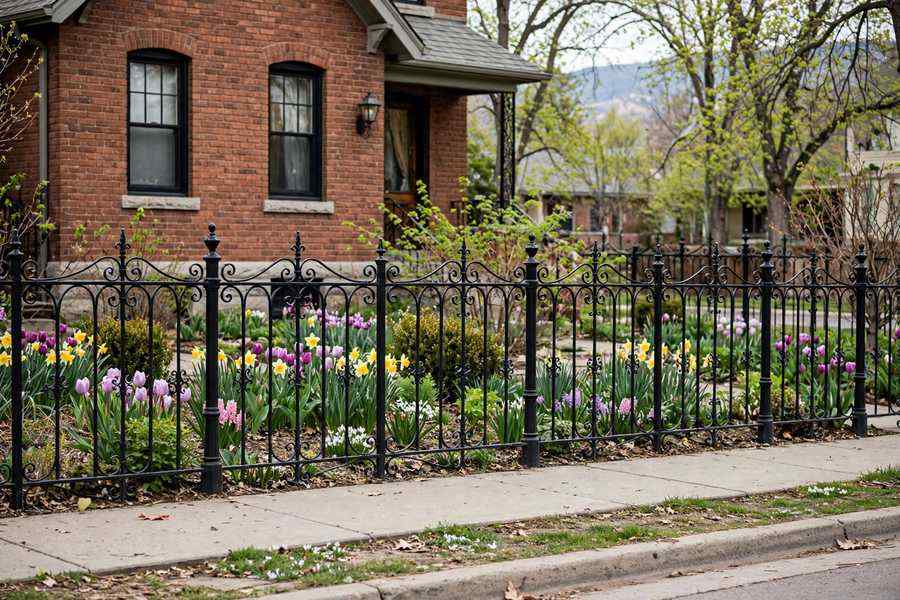
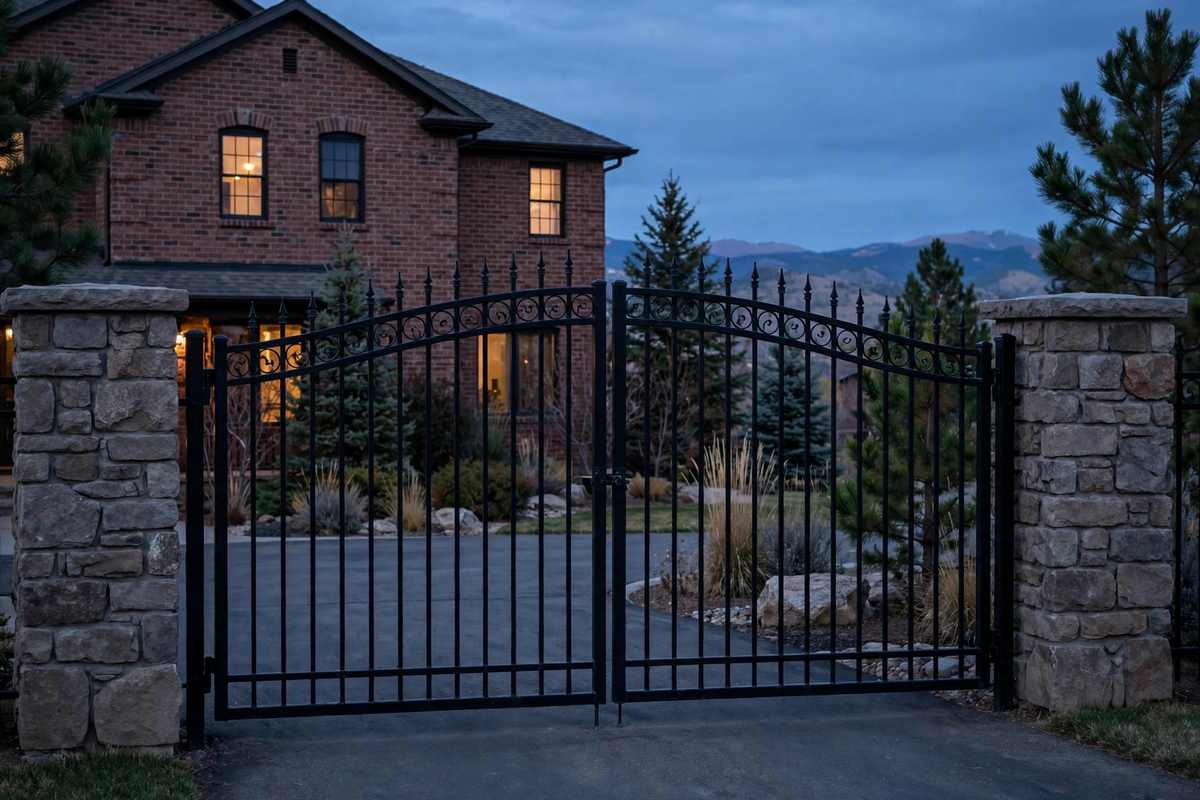
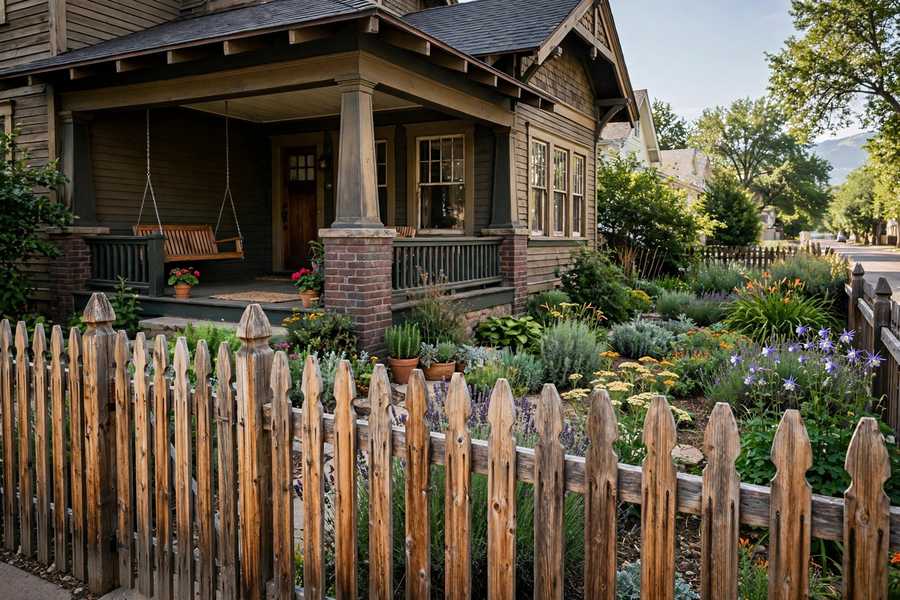
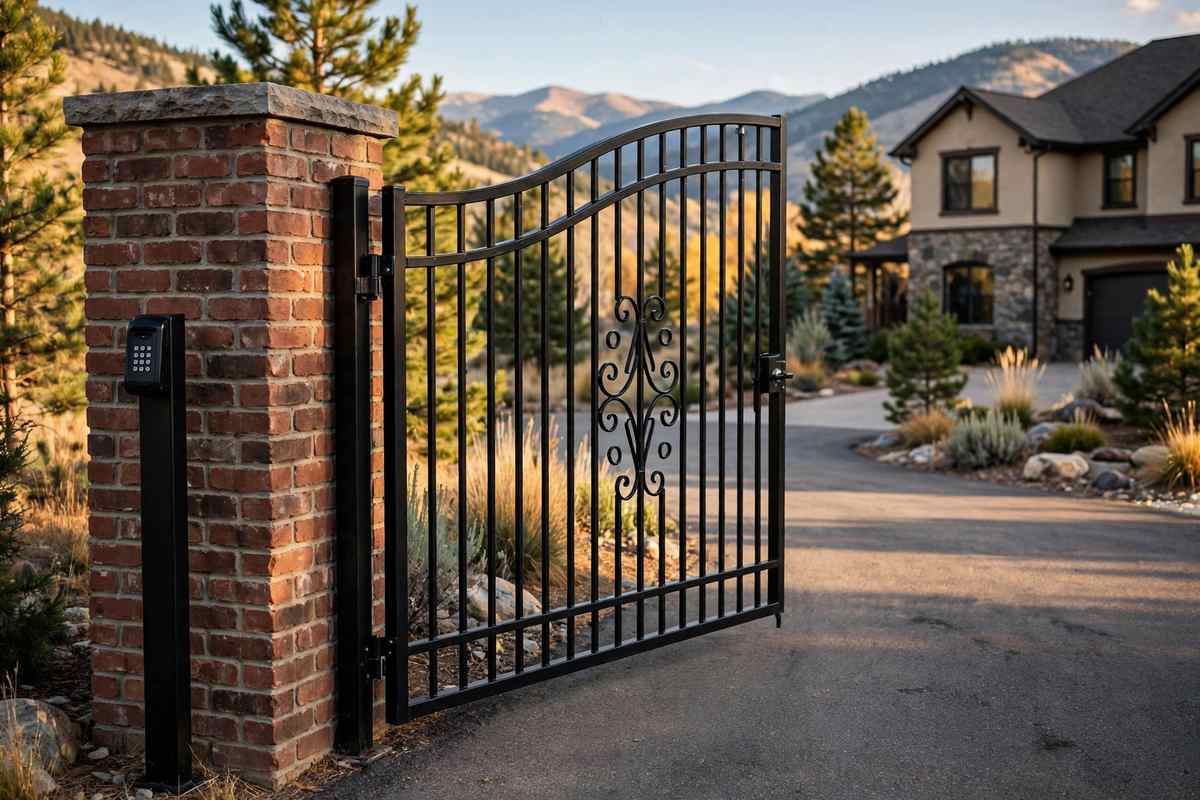
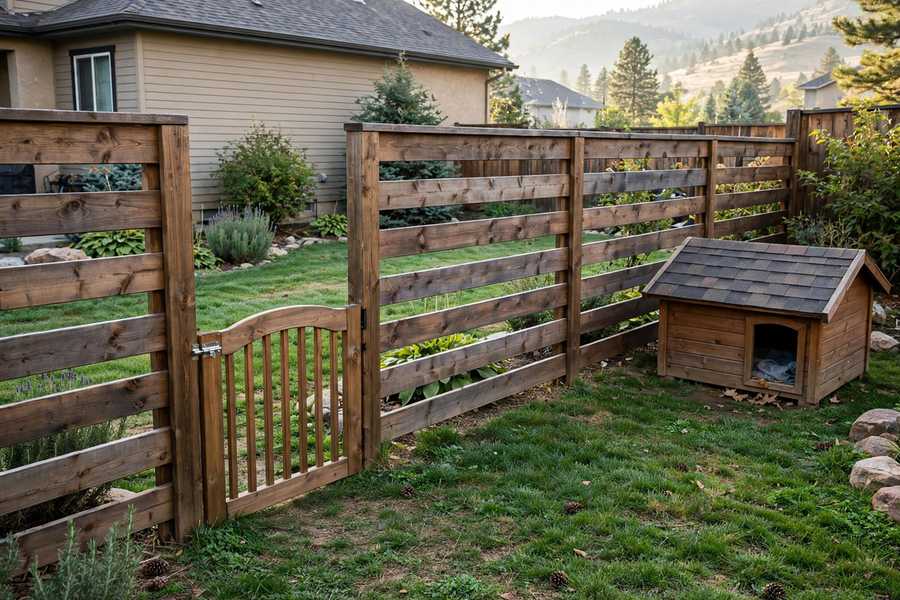
- Estate iron and brick piers on mansion lots; modest picket on cottage lots — on the same block
- Square blocks and carriage lots make rear fence lines unusually complex
- Phone only: call (720) 697-2456, Monday to Sunday, 7:00 AM to 8:00 PM