
South Platte River and I-25 edge
Lots nearest the river and the interstate sit on the edge of the 1965 flood plain. Rot-resistant posts and drainage-aware footing depth matter here, and fences must not block drainage.
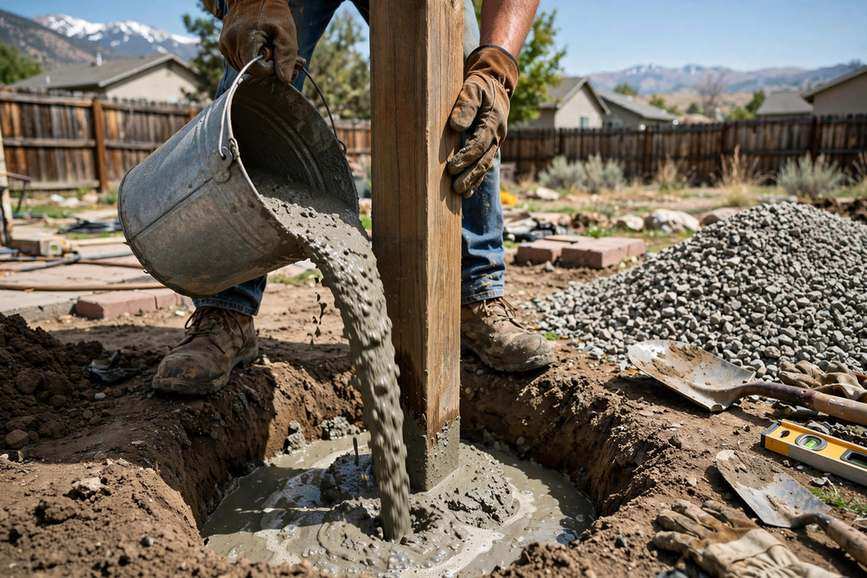
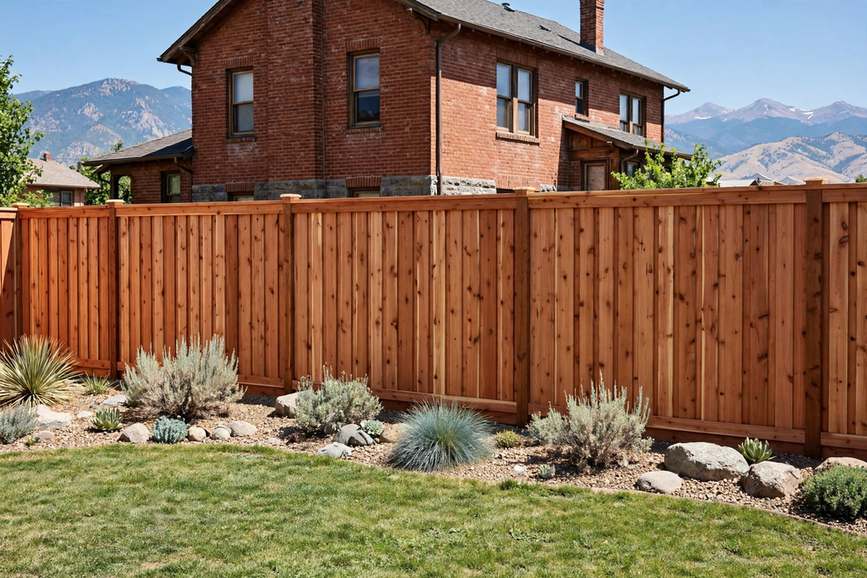
Athmar Park was built in a hurry after the war — hundreds of near-identical all-brick ranches and bungalows, most from the 1940s and 1950s, with a few 1880s–1910s brick country homes surviving on W. Nevada Place. A replacement fence here is usually a like-for-like cedar privacy run, because the original fence is often as old as the house. There is no HOA and no historic district, so there is no design review — but also no covenant keeping a neighbor's fence maintained, which makes shared-line replacements a real local job. Lots nearest the river and I-25 sit on the edge of the 1965 South Platte flood plain, so rot-resistant posts and drainage-aware footing depth matter on those blocks.
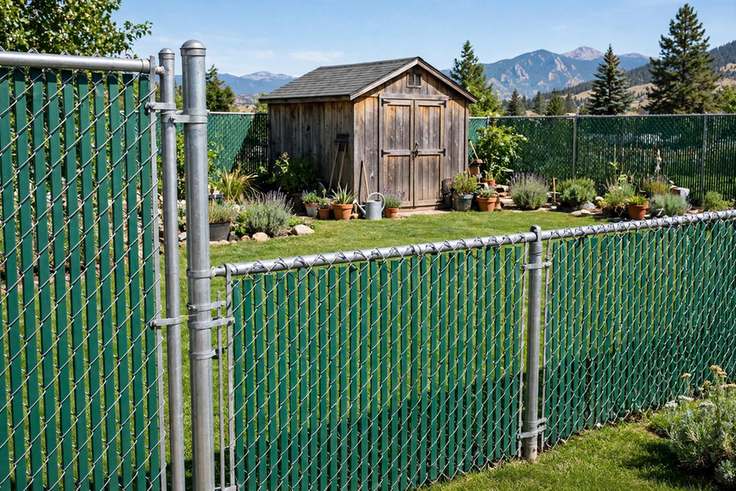
Athmar Park homeowners call us for everything from a single leaning fence post to a full yard wrap in cedar or vinyl. The most common job here is replacing original chain link from the 1950s and 1960s, and rebuilding rear fences around detached garages and alley gates.
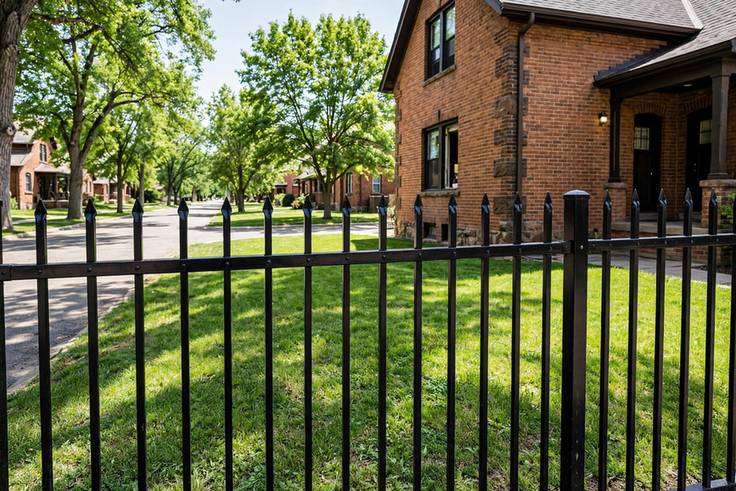
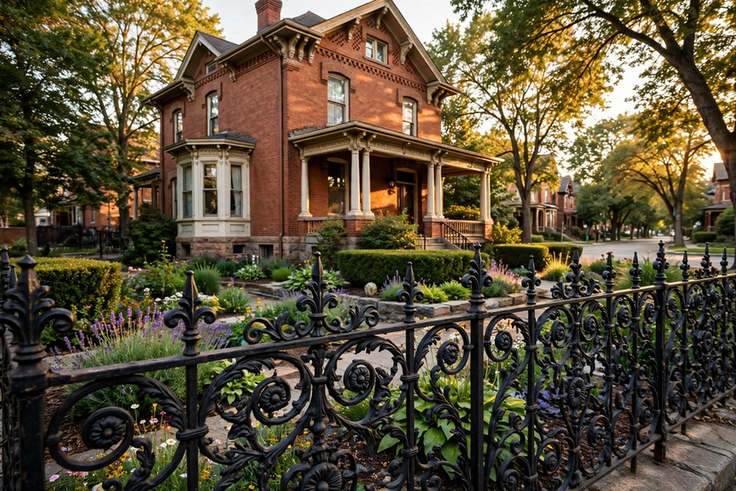
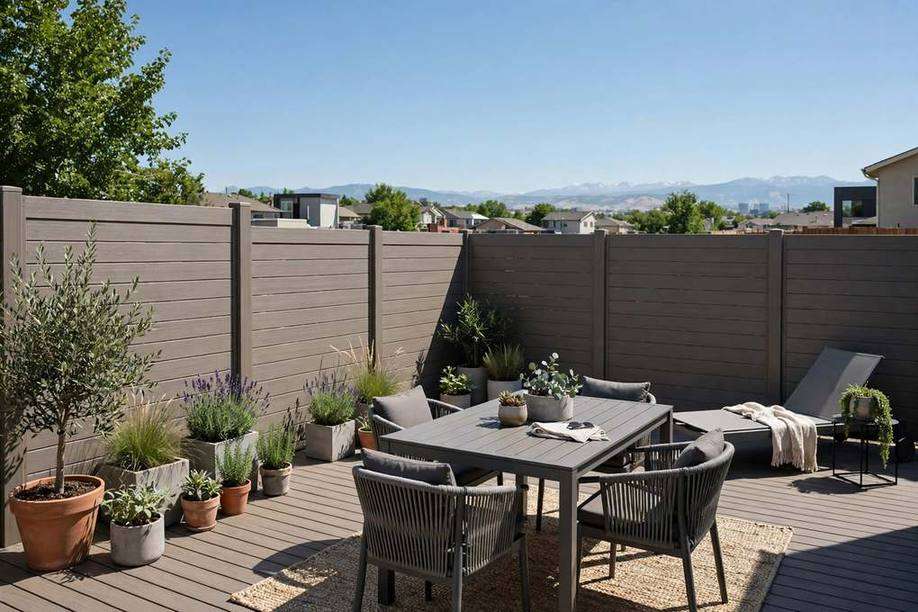
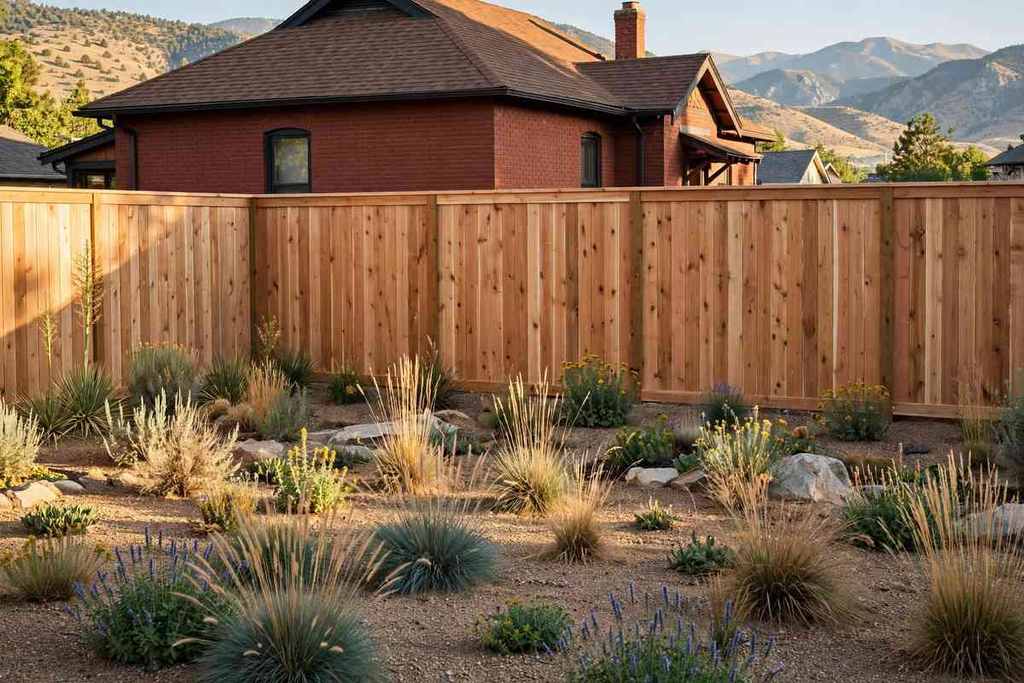
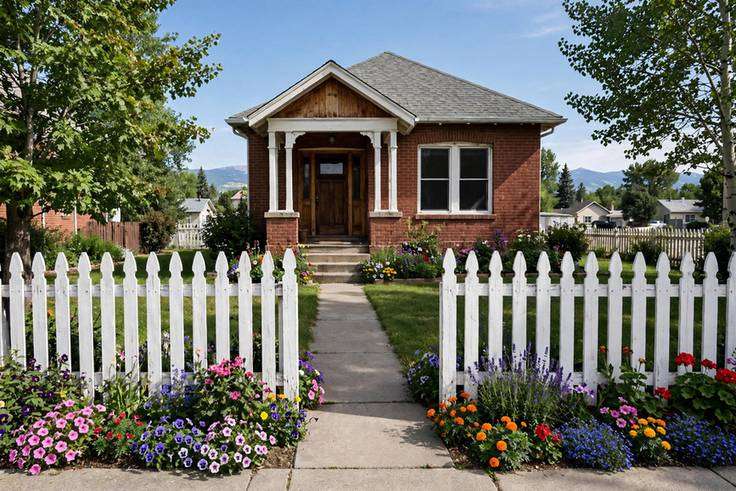
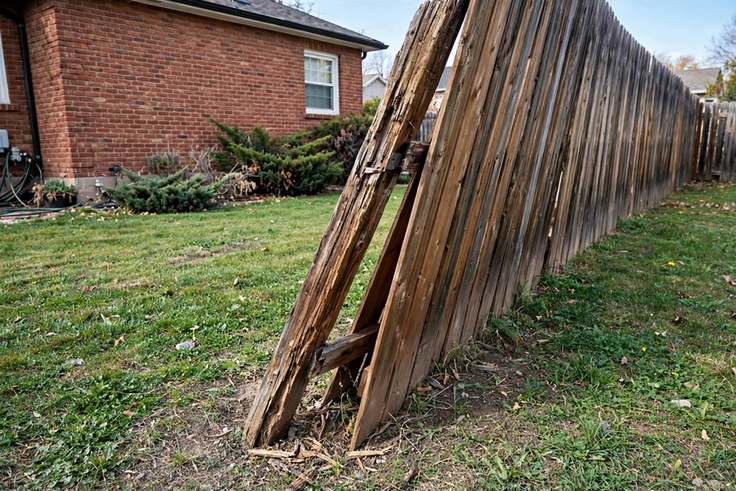
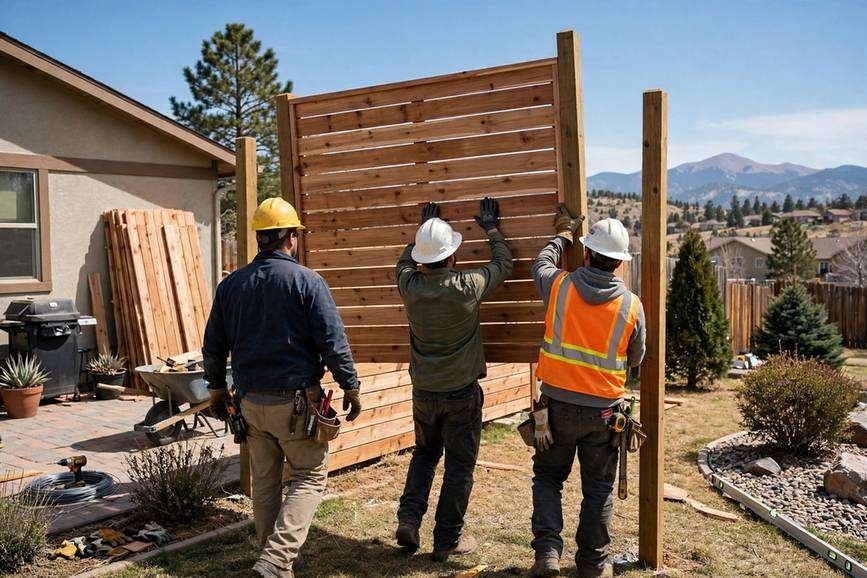
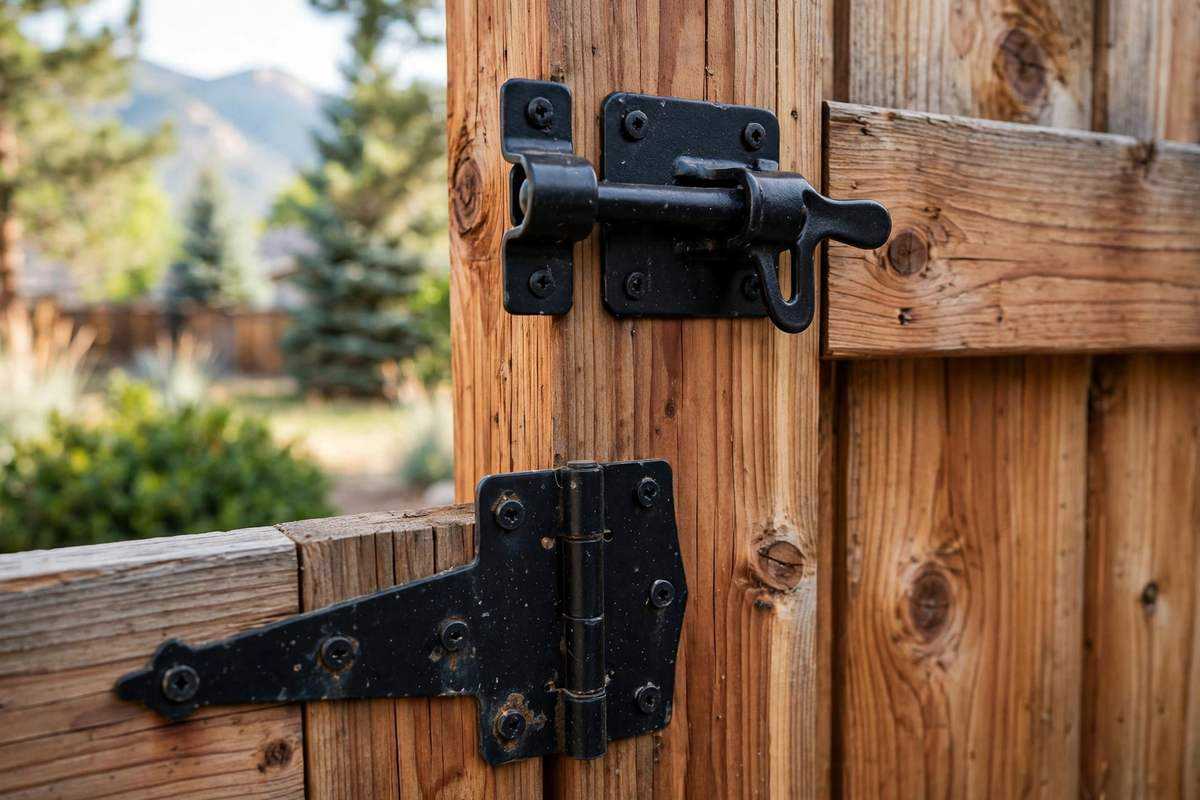
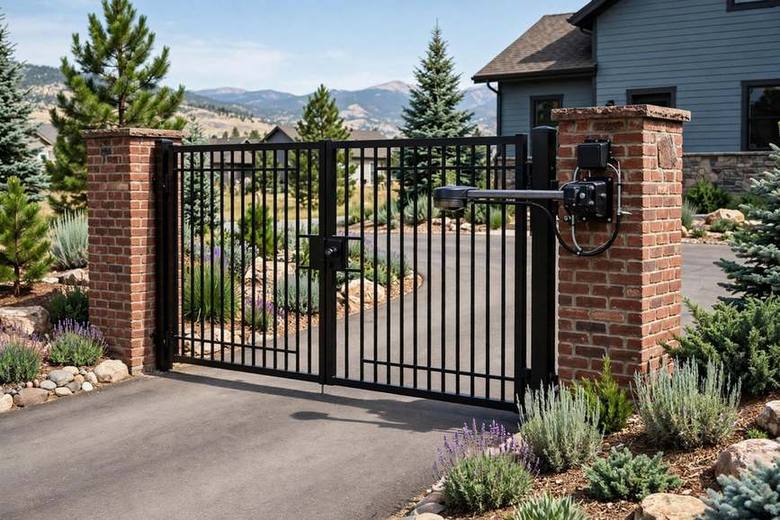
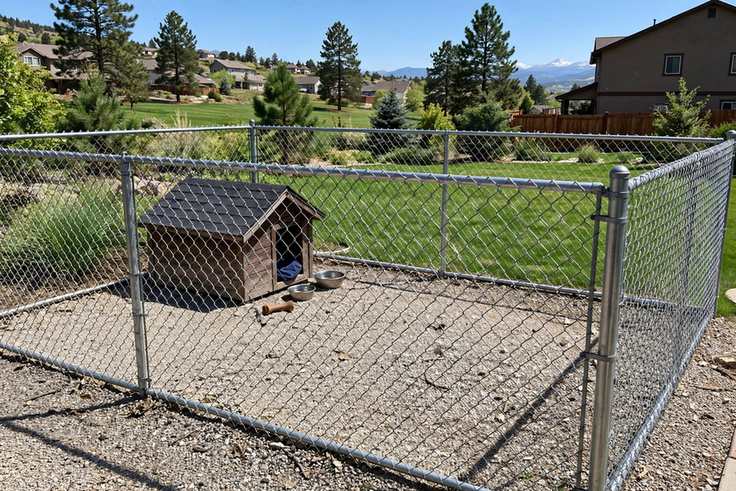
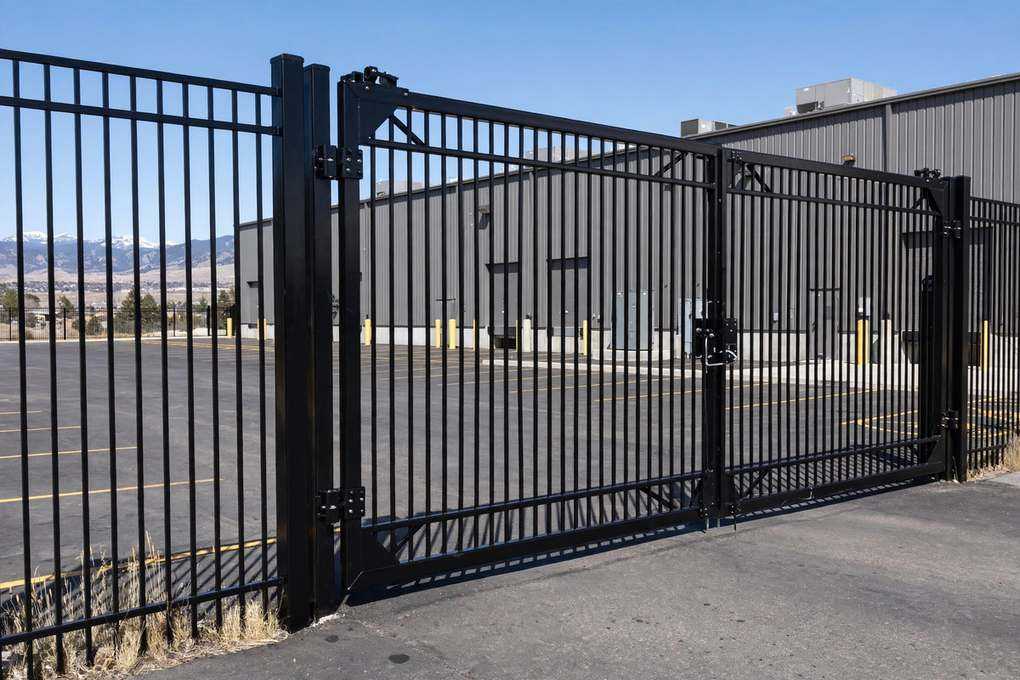
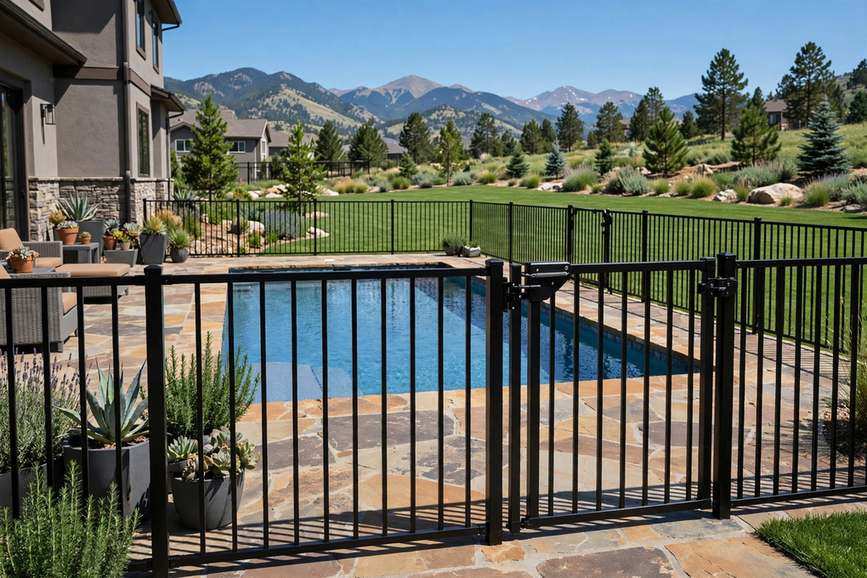
Athmar Park has its own set of fence problems, from the local housing stock, the ground, and the streets around it. Here are the four we see most often.
Denver's clay soil swells and shrinks with moisture, and winter freeze–thaw cycles push shallow posts up a little each year. On Athmar Park's post-war lots, original posts were often set shallow, so a fence that stood straight for decades starts to lean all at once.
Most chain link in Athmar Park is original to the house — 40 to 60 years old. The galvanized coating has worn off and the wire rusts through at the posts and bottom rail. Sandy soil near the river speeds up the corrosion.
Rear fences here work around detached garages and driveway gates, and the gate post takes the most wear. Clay heave moves the hinge post, the gate drags, and the latch stops catching. The gate itself is usually fine — the post is the problem.
Cedar and pressure-treated pine gray fast under Denver's high-altitude sun, and rot starts where pickets meet damp clay. A fence that looks tired at the bottom is usually rotting from the ground line up.
Most fences in Athmar Park are decades old, and the freeze–thaw cycles here are hard on posts and rails. If you notice any of these signs, call us to talk through whether it is a repair or a replacement.
Posts are leaning or pulling away from the ground
The post has heaved out of the ground or the concrete footing has cracked. Left alone, the whole run starts to sag.
Gate is dragging or will not latch
A dragging gate is almost always a post problem, not a gate problem. The hinge post has moved, which throws off the alignment.
Chain link is rusted through at the posts
Rust at the post connections means the galvanized coating has failed. The fence may still stand, but it is weak and will not last much longer.
Wood is gray, splintering, or soft to the touch
Gray wood has lost its UV protection; soft wood means moisture has gotten in and rot is starting at the ground line.
Fence is damaged after a storm
High wind and hail knock down panels and split rails. After a storm, check the whole run — damage at one post often means the next post is loose too.
Four things about Athmar Park that decide what fence goes where — and what rules apply to it.
Lots nearest the river and the interstate sit on the edge of the 1965 flood plain. Rot-resistant posts and drainage-aware footing depth matter here, and fences must not block drainage.
A few 1880s–1910s brick country homes survive on W. Nevada Place among the post-war tracts. Their fences suit low brick or stucco garden walls better than tall solid wood in front.
Rear fences wrap detached garages and alley gates. Gate posts on alley lines take the most wear, and shared alley returns need to be agreed with the neighbor.
0.19-acre corner-lot ranches are common here. Corner sight-triangle rules cap the street-side run at 4 feet, so the tall privacy fence belongs at the rear.
We work across Athmar Park's post-war brick-ranch streets, from the river edge to the detached-garage alleys, and across the Denver neighborhoods listed below. Every job starts with a call, not a form — tell us your Athmar Park address and we will confirm coverage.
Adjacent cities such as Aurora and Lakewood are not served. Call (720) 697-2456 to confirm we cover your Denver address.
Payless Fence Company is rated 4.9 out of 5 from 27 Google reviews. The aggregate rating is what we publish here — individual review text is not reproduced on this page. Call (720) 697-2456 and we will talk through your Athmar Park fence job.
Athmar Park's fence calendar follows the ground, not the calendar on the wall. Spring is when the 1950s chain link shows its winter damage, summer is prime building weather, fall is the practical window for repairs, and winter work depends on the ground and the forecast. Hail season runs roughly mid-April to mid-September, peaking in May and June.
Spring is the busiest season: the ground thaws and post-winter damage shows up all at once on Athmar Park's aging fences — leaned posts, heaved footings, alley gates that no longer latch. It is the best time to find and fix freeze–thaw damage on a 1950s run.
Walk your fence line in March. A post that leans now will lean further by June — especially an original 1950s post.
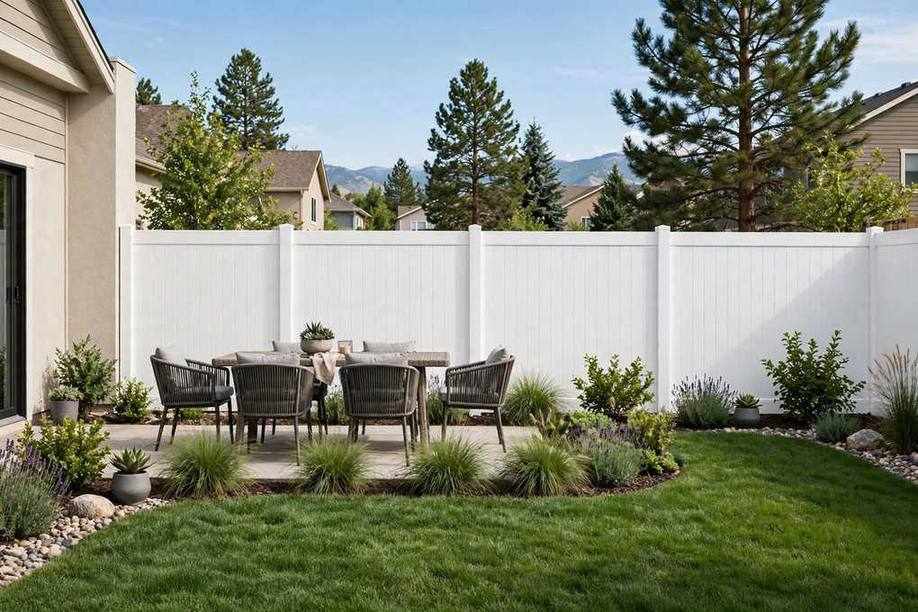
Summer brings the longest days and dry ground, so concrete sets fast — but it is also peak demand and peak hail season. On Athmar Park's rear runs, vinyl is the most hail-vulnerable material; wood and metal fare better in a hailstorm.
After a hailstorm, check the rear runs for cracked vinyl and split rails before the damage spreads.
Fall is the repair season in Athmar Park: the ground is still workable, the summer rush has eased, and posts can be reset in concrete before the first freeze. Alley-gate hardware gets adjusted now, before ice makes a dragging gate worse.
September is the month to check gates and latches — a small repair now beats a January emergency.
We build through winter with frost augers and concrete additives, except below about 25°F, in heavy snow, or on saturated ground. Each freeze–thaw cycle lifts a shallow post a little higher.
After the first heavy snow, walk the line and look for posts that have started to lean.
Athmar Park sits among Denver neighborhoods with their own housing stock and fence rules. These are the closest pages in our Denver set.
(Denver neighborhood)
Victorian and Denver Square streets with a landmark historic district — iron and picket fronts, cedar privacy at the rear.
View Baker(Denver neighborhood)
Brick 1900–1940 homes around the park ring, where front fences stay low and open and the tall fence belongs at the rear.
View Washington Park(Denver neighborhood)
Mid-century ranches and Cliff May courtyard homes, where the fence is often the courtyard wall itself.
View Harvey ParkReal answers for the questions we hear most often before a job starts in Athmar Park.
If you need a fence installed, repaired, or replaced in Athmar Park, call Payless Fence Company at (720) 697-2456. We are open Monday to Sunday, 7:00 AM to 8:00 PM, and we will talk through your ranch lot, your alley gates, and the rules that apply to your address.
Call (720) 697-2456 to talk about your fence in Athmar Park — a leaning 1950s post, a rusted chain-link run, or a full rear wrap. We are a phone-only business, open Monday to Sunday, 7:00 AM to 8:00 PM. Tell us your address, what the fence is doing now, and what you want it to do.
Phone
(720) 697-2456Address
Payless Fence Company LLC, Denver, CO 80201, US
Hours
Monday–Sunday: 7:00 AM – 8:00 PM