
North Park Hill
Platted 1887, built 1920s–1950s, between MLK Jr Boulevard, Quebec Street, 23rd Avenue, and Colorado Boulevard. Deep 40-foot setbacks, brick bungalows, Tudors, Denver Squares, and alley-loaded garages.
North Park Hill was platted in 1887, with serious building from the 1920s to the 1950s: brick bungalows, Tudors, Denver Squares, and mid-century ranches on deep 40-foot setbacks, under early rules that set a $3,000 minimum build cost. South Park Hill was platted in April 1887 as a 32-block subdivision between Colorado Boulevard and Dahlia, Montview Boulevard and 26th Avenue, with about 700 homes, roughly 95 percent built between 1893 and 1941, on the same 40-foot setbacks. Northeast Park Hill is primarily mid-20th century, with a median year built of 1953: post-war baby-boom mass construction on rectangular blocks, bungalows with sloped roofs, mid-century ranches, and 2000s Park Hill Village condos. Two things cut across all three: mature street trees whose root zones constrain post lines, and the proposed 32-block Historic Park Hill district in South Park Hill — proposed, not designated, so do not let anyone quote it as a designated district. If it is designated, Landmark Preservation review would apply to fences in those 32 blocks.
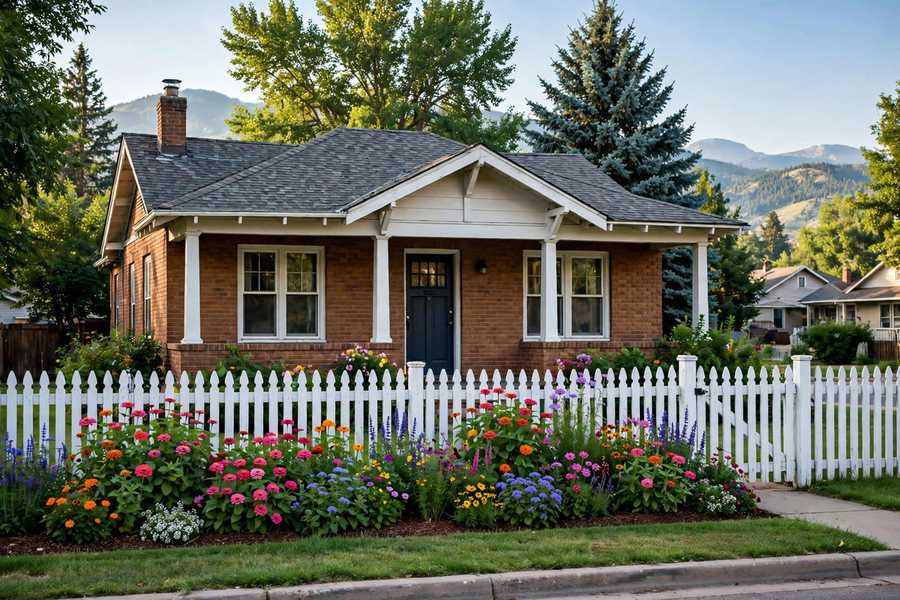
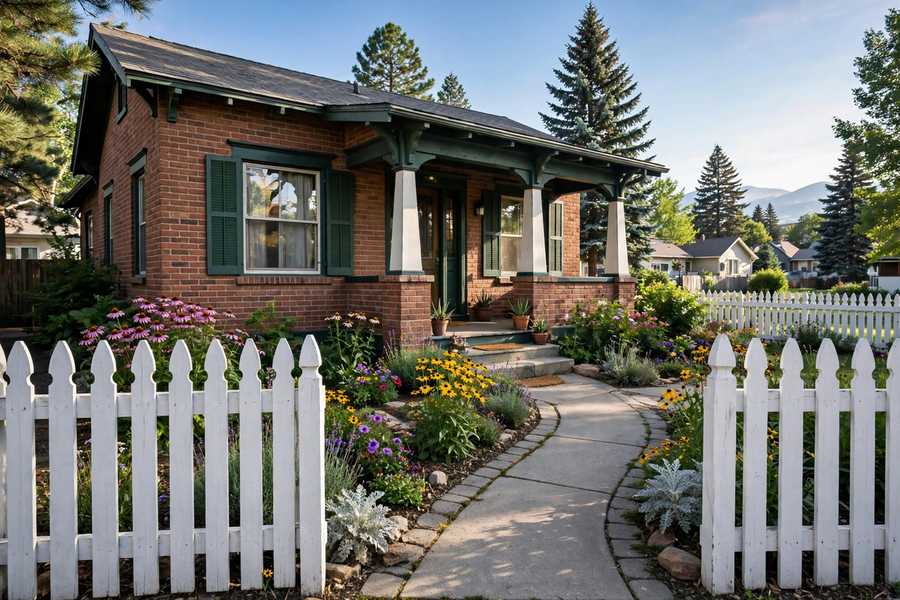
Park Hill work follows the house, not the street: wood picket for bungalows, ornamental iron on Tudor and Denver Square fronts, cedar privacy at the rear, and HOA-governed fencing in the Park Hill Village condo pockets.
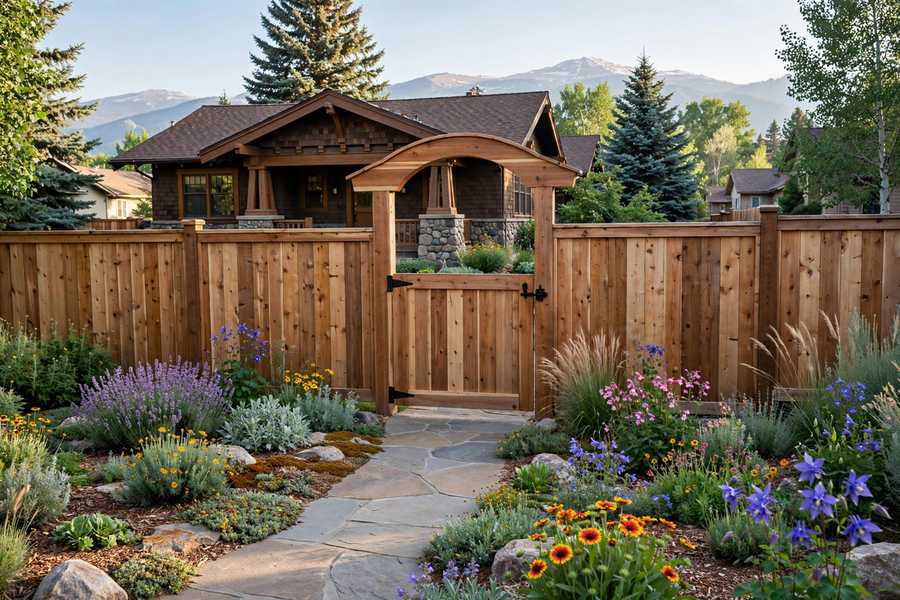
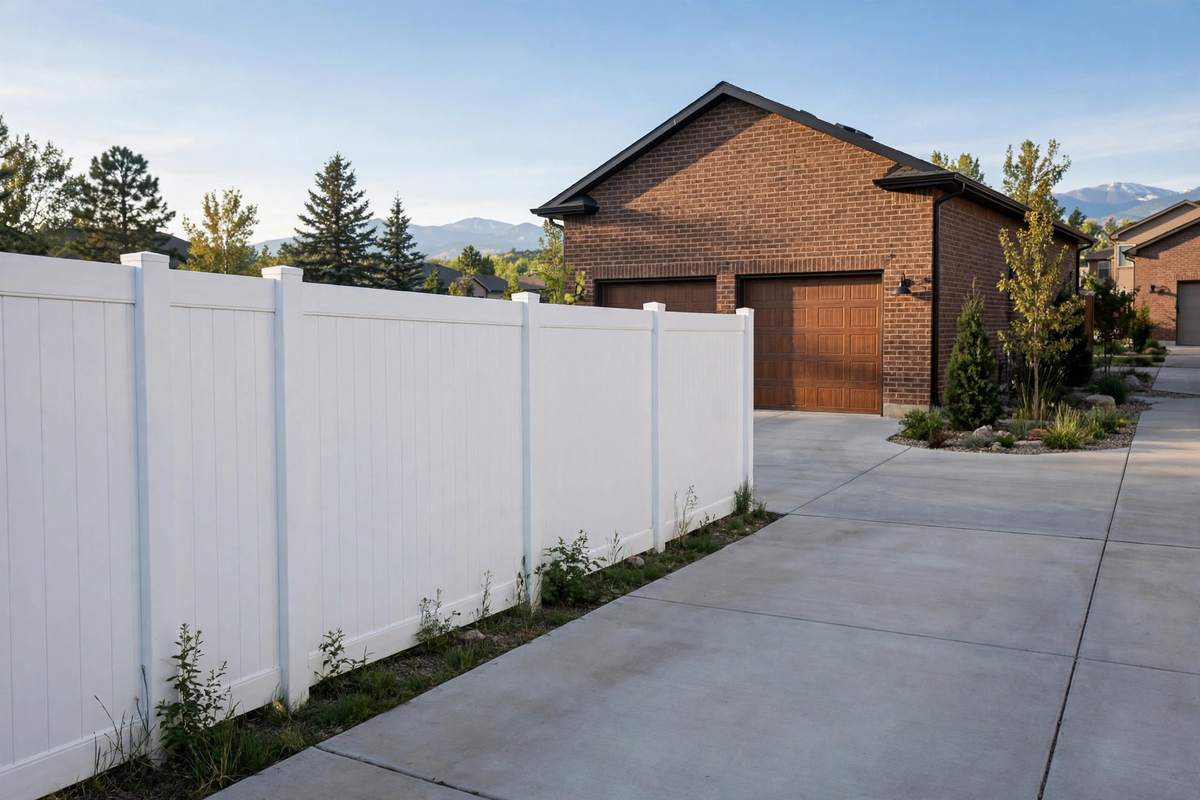
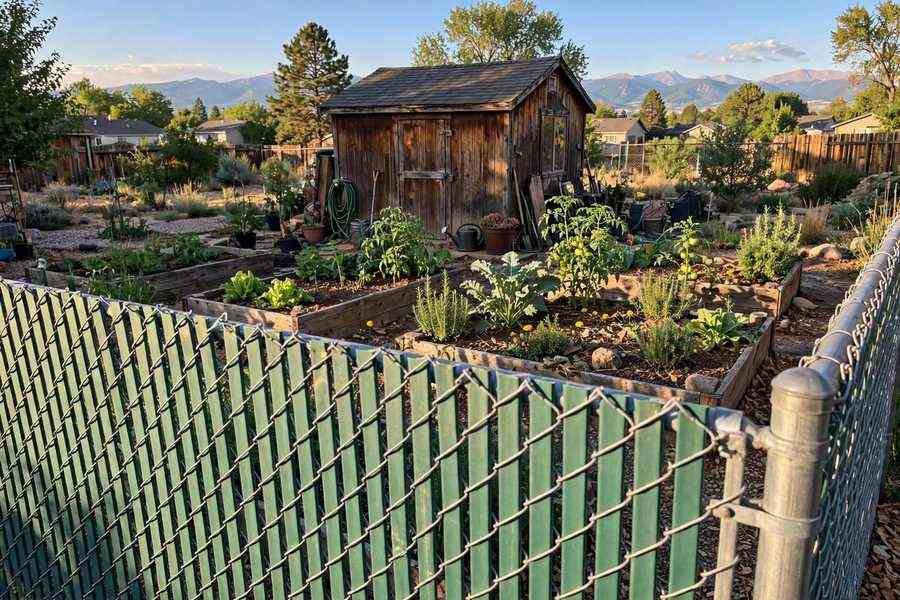
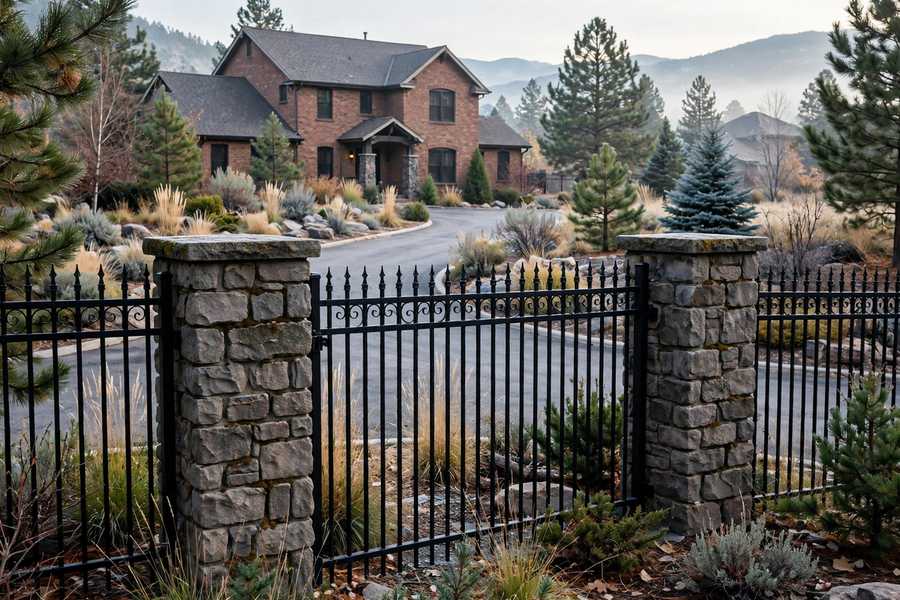
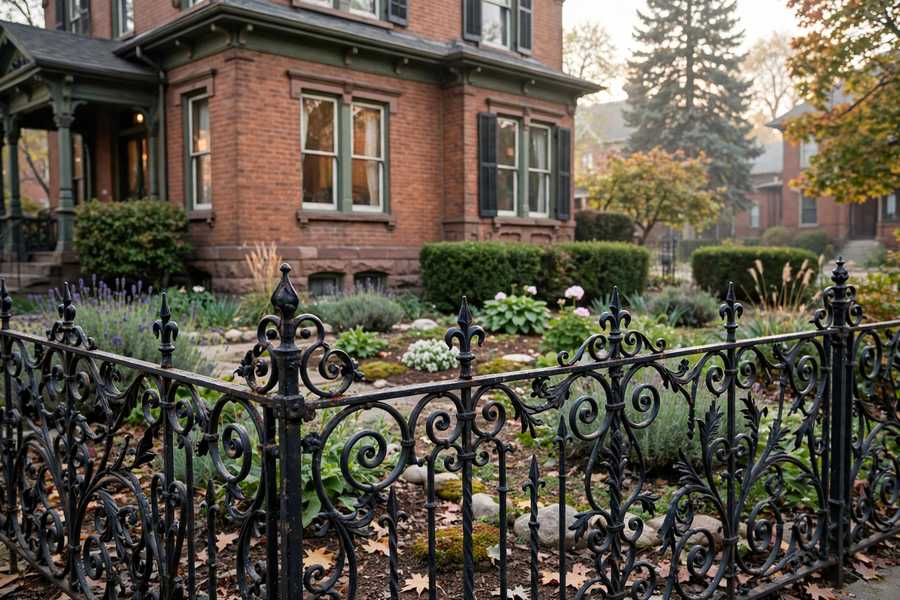
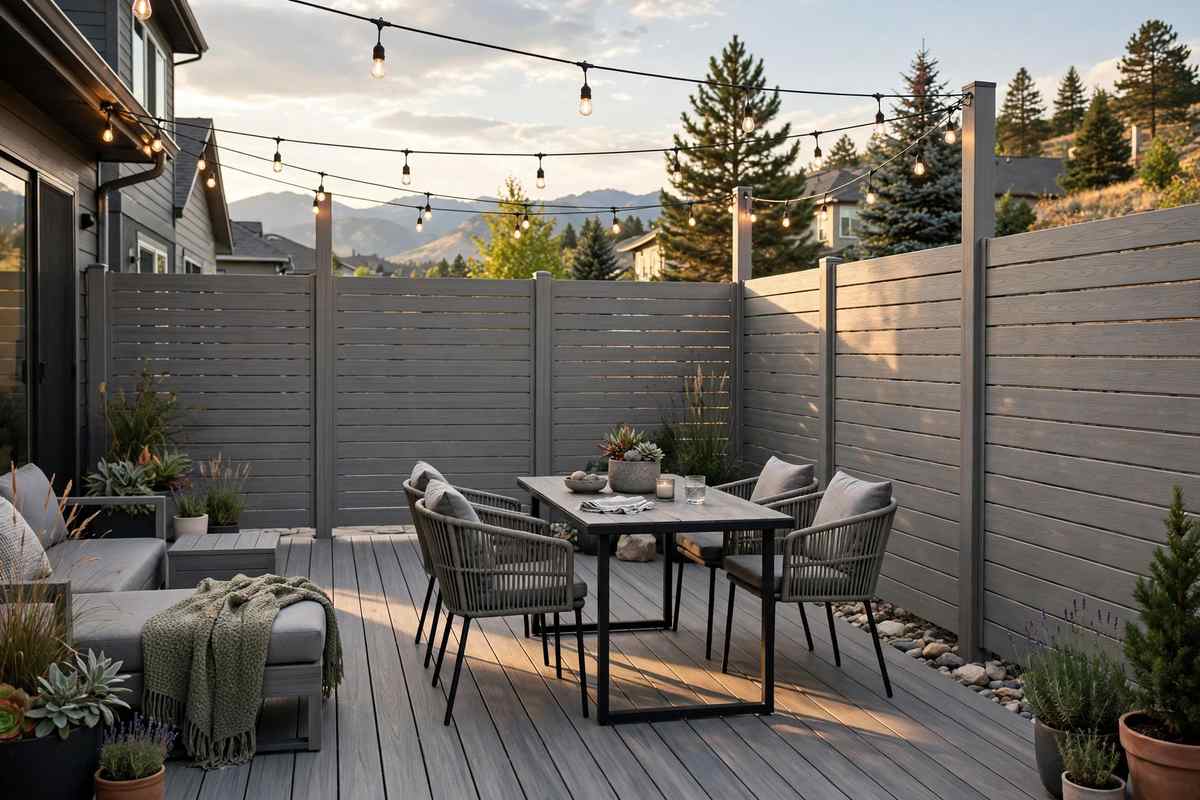
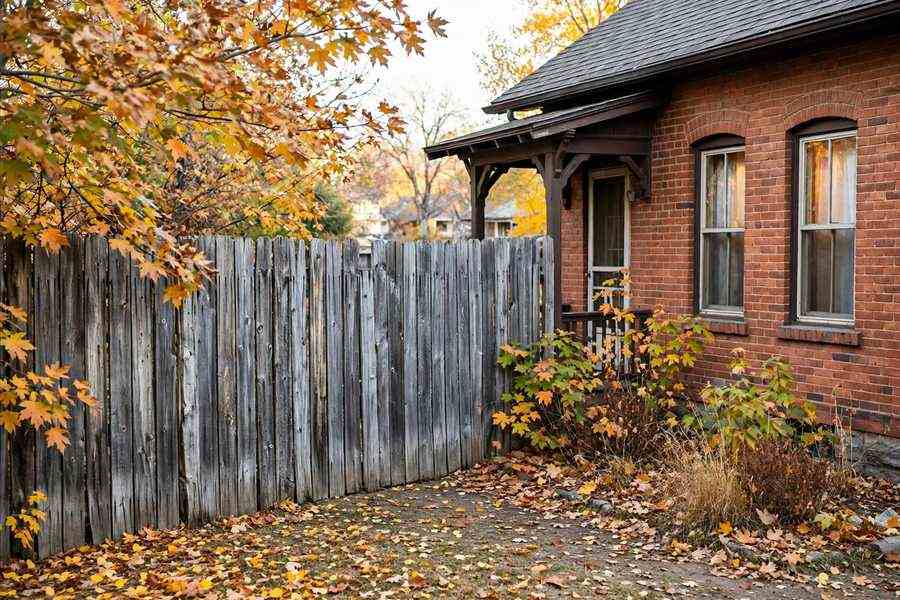
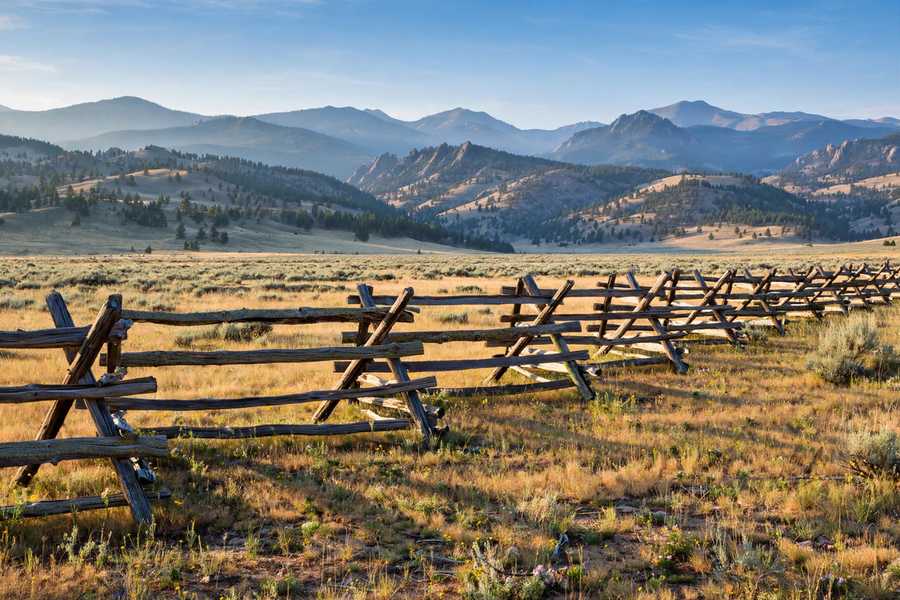
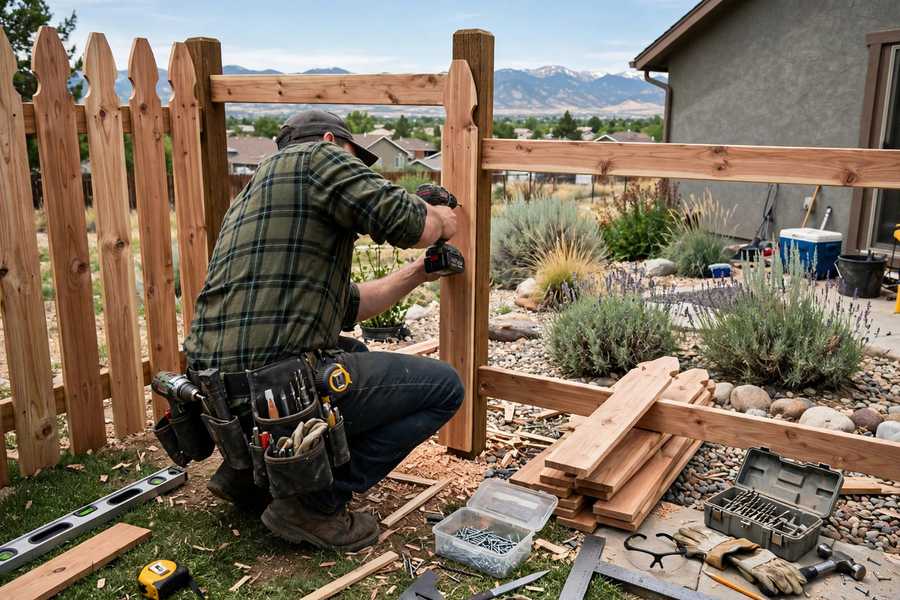
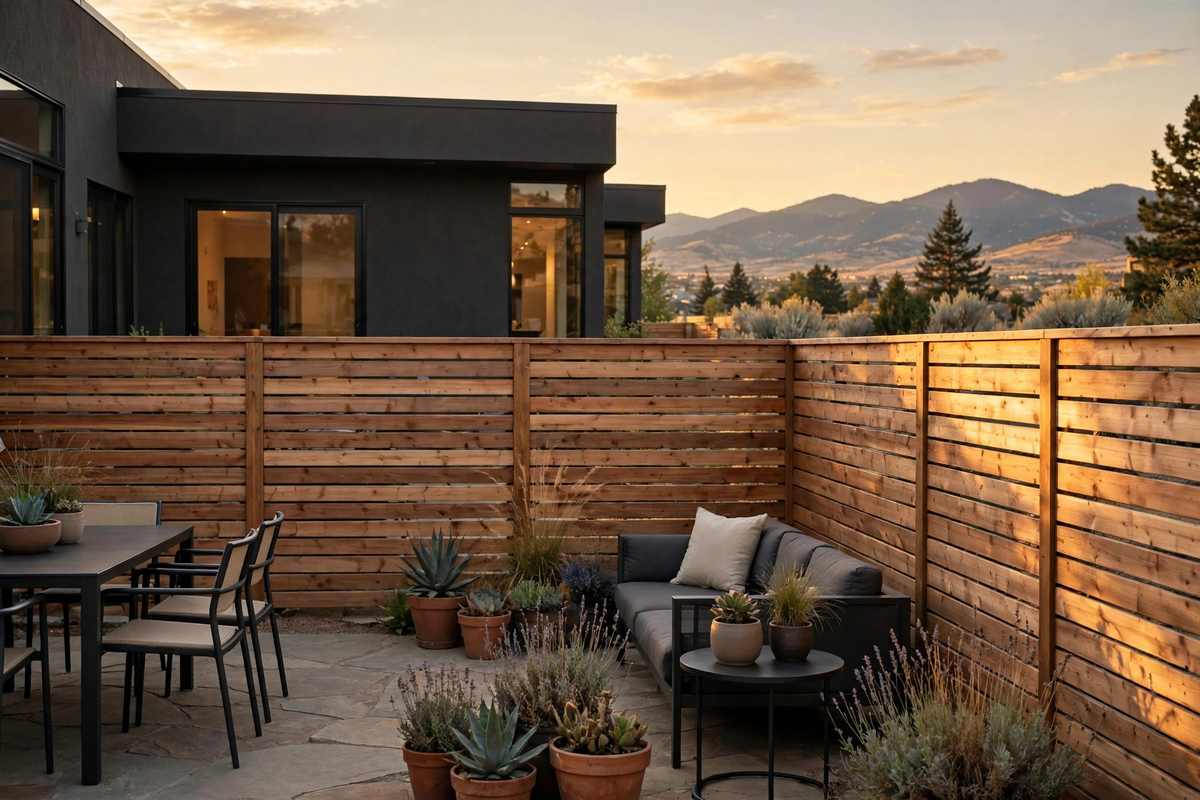
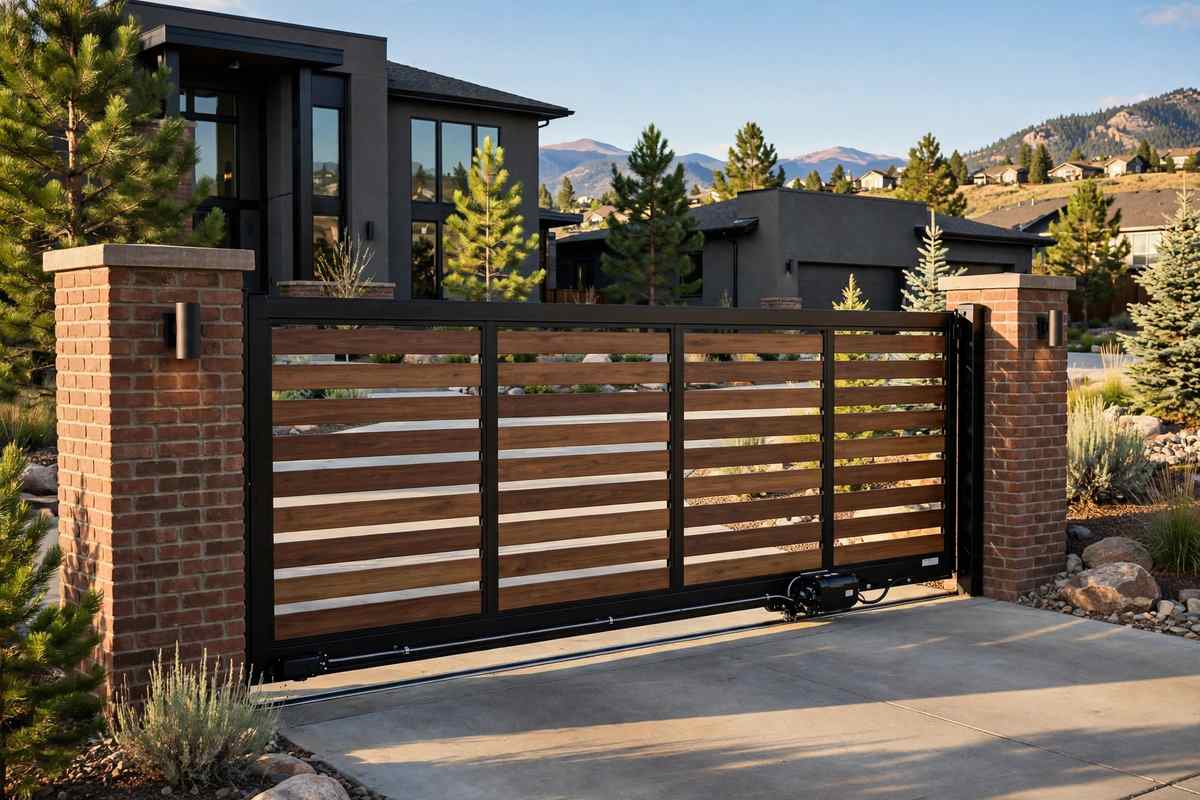
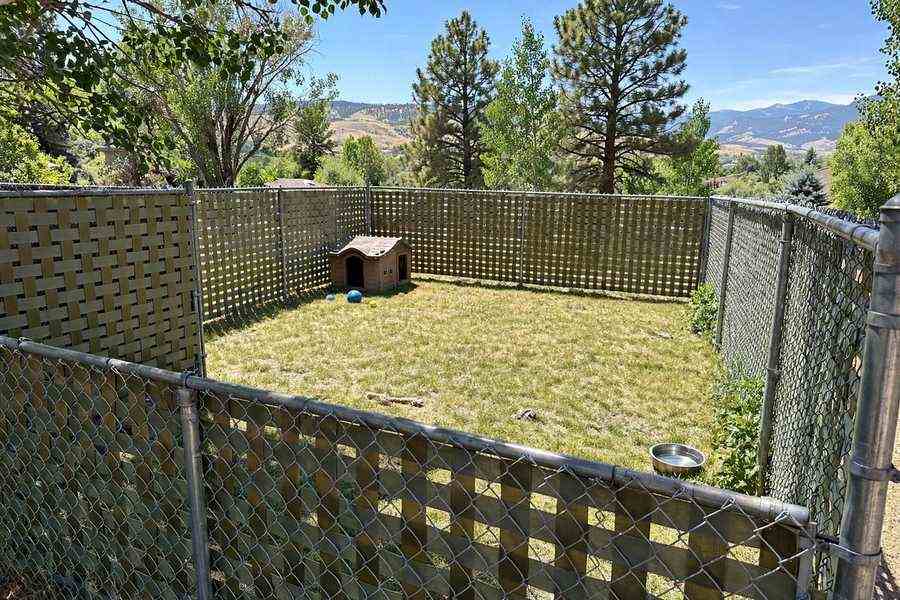
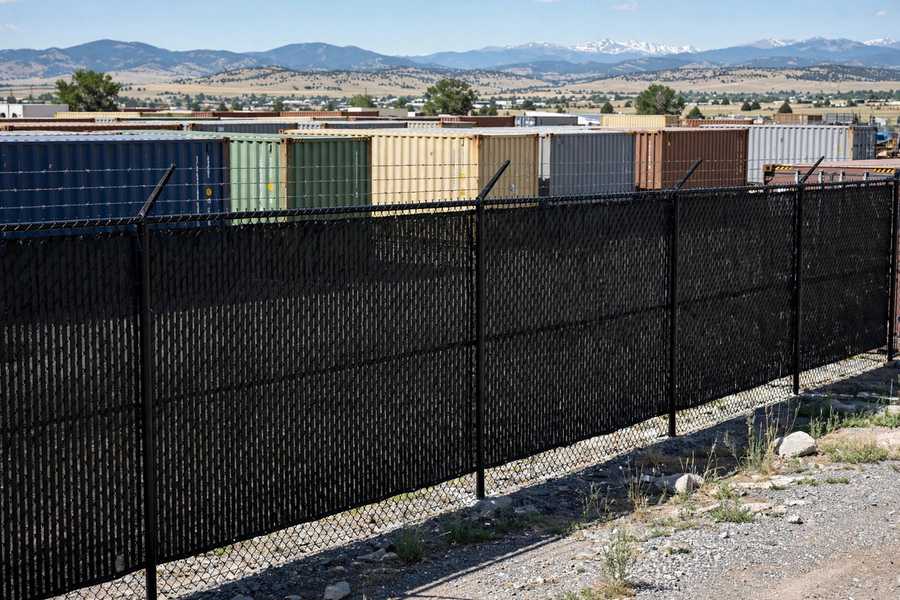
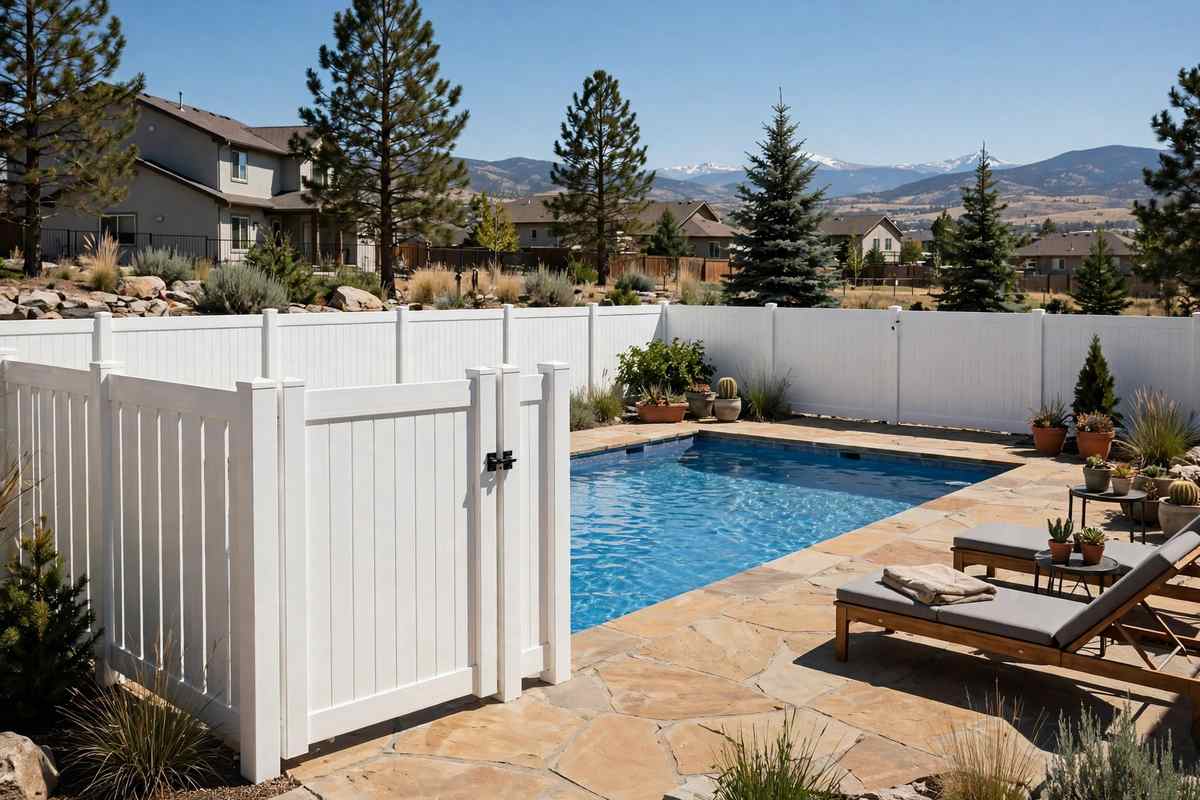
Park Hill has its own set of fence problems, from the local housing stock, the ground, and the streets around it. Here are the four we see most often.
A bungalow next to a ranch next to a Tudor needs three different fences. Style has to follow the house era, with picket for bungalows and solid cedar at the rear for ranches.
The 32-block South Park Hill district is proposed, not designated. Fence work there should be checked against the current designation status before material and height are chosen.
Montview Boulevard and 17th Avenue Parkway lots can trigger permit or design review even for fences at or under 4 feet, with wide landscaped medians and elm canopy setting the streetscape.
100-year-old trees on the parkways mean root-zone-aware post placement, and lot and house sizes range from 750-square-foot alley houses to 6,000-square-foot mansions within a few blocks.
Park Hill fences range from 1920s picket to 2000s condo-spec panels. These signs apply across the three neighborhoods.
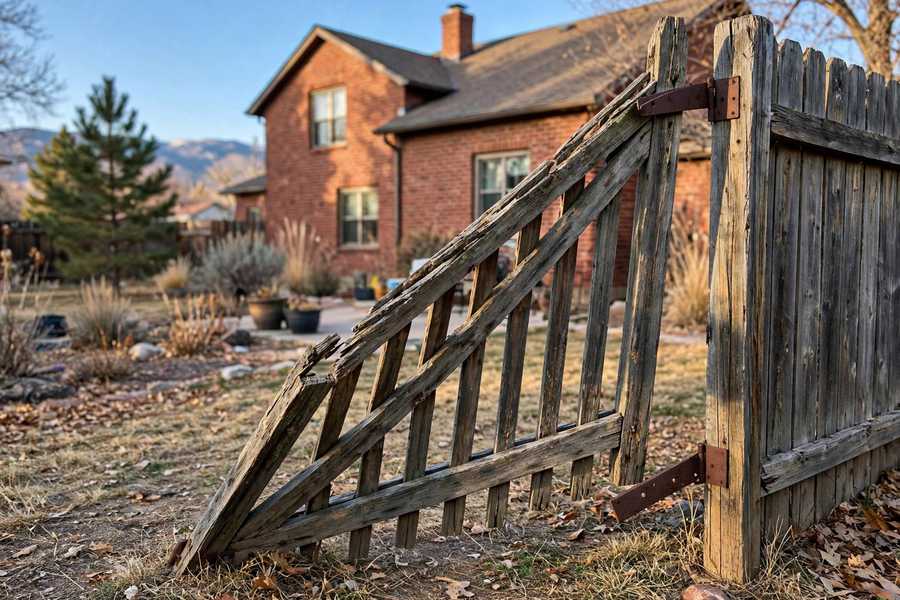
Picket fence is leaning after winter
Freeze–thaw heave moves shallow posts a little each year until the whole run leans.
Your bungalow is newly overlooked
Scrape-and-rebuild beside 1920s cottages drives privacy-fence demand on the older side.
Cedar is gray and soft at the ground line
High-altitude UV strips the finish, then moisture rots the pickets where they meet the clay.
Alley gate drags or will not latch
Alley-loaded garages are common in North Park Hill. The gate post takes the wear, and clay heave moves it.
Condo fence does not match the HOA spec
Park Hill Village and other condo developments have their own HOAs. Fence work there is association-controlled, not owner-decided.
Four things about Park Hill that decide what fence goes where — and what rules apply to it.
Platted 1887, built 1920s–1950s, between MLK Jr Boulevard, Quebec Street, 23rd Avenue, and Colorado Boulevard. Deep 40-foot setbacks, brick bungalows, Tudors, Denver Squares, and alley-loaded garages.
Platted April 1887, a 32-block subdivision with about 700 homes, roughly 95 percent built 1893–1941. Montview Boulevard and 17th Avenue Parkway frontage, and a proposed — not designated — historic district.
Primarily mid-20th century, median year built 1953. Post-war mass-built ranch and bungalow rows, Park Hill Village condos from the 2000s, and the Dahlia Square shopping center, built in the early 1950s atop a landfill.
Wide parkways with mature canopy, especially on 17th Avenue and Montview. Root zones and parkway setbacks constrain post lines.
We work across North, South, and Northeast Park Hill, and across the Denver neighborhoods listed below. Every job starts with a call, not a form — tell us which Park Hill you are in and we will confirm coverage.
Adjacent cities such as Aurora and Lakewood are not served. Call (720) 697-2456 to confirm we cover your Denver address.
Payless Fence Company is rated 4.9 out of 5 from 27 Google reviews. We publish the aggregate here rather than reproducing individual review text. Call (720) 697-2456 and we will talk through your Park Hill fence job.
Park Hill's fence calendar follows the ground, not the calendar on the wall — and the house, since North, South, and Northeast Park Hill each fence differently. Spring brings the rush, summer is the prime build, fall is the repair window, and winter work follows ground and forecast. Hail season runs roughly mid-April to mid-September, and the peak is May and June.
Spring is the busiest season across the three Park Hills: the ground thaws and post-winter damage shows up all at once — leaned posts, heaved footings, panels blown loose over winter. It is the best time to find and fix the freeze–thaw damage, whatever the house.
Walk your fence line in March. A post that leans now will lean further by June — whichever Park Hill you are in.
Summer is the prime building season across the three Park Hills: long days, dry ground, fast-setting concrete — and peak demand and peak hail. Vinyl is the most hail-vulnerable material; wood and metal fare better in a hailstorm, which matters on a bungalow or foursquare rear run.
After a hailstorm, check bungalow pickets for splits and iron panels for bends before the damage spreads.
Fall is the repair season across the three Park Hills: the ground is still workable, the summer rush has eased, and posts can be reset in concrete before the first freeze. Bungalow and foursquare gate hardware gets adjusted now, before ice makes a dragging gate worse.
Check the bungalow and foursquare gates in September — a small repair now beats a January emergency.
We keep building through the winter with frost augers and concrete additives, except below about 25°F, in heavy snow, or on saturated ground. A shallow post heaves a little more after every freeze–thaw cycle.
After the first big snow, walk the Park Hill lot lines and look for posts that have started to lean.
Park Hill sits among Denver neighborhoods with their own housing stock and fence rules. These are the closest pages in our Denver set.
(Denver neighborhood)
Denver Square capital, where the fence brief is almost always to match a 1906–1919 Denver Square.
View Congress Park(Denver neighborhood)
Master-planned new-urbanist community on the former airport, where HOA design review comes before the city permit.
View Central Park(Denver neighborhood)
Double-width lots and a 1975 landmark district core, where period iron and masonry set the standard.
View MontclairReal answers for the questions we hear most often before a job starts in Park Hill.
If you need a fence installed, repaired, or replaced in Park Hill, call Payless Fence Company at (720) 697-2456. We are open Monday to Sunday, 7:00 AM to 8:00 PM. Tell us which Park Hill you are in — North Park Hill's 1920s–1950s brick bungalows, Tudors, and Denver Squares on deep 40-foot setbacks, South Park Hill's 1893–1941 streets off Montview Boulevard and 17th Avenue Parkway, or Northeast Park Hill's post-war ranch and bungalow rows — and whether your lot is alley-loaded. We will talk through the house, the setback, and the rules that apply to your address before we quote.
Call (720) 697-2456 to talk about your fence in Park Hill — a bungalow, a Tudor, or a Denver Square, in North, South, or Northeast Park Hill. We are a phone-only business, open Monday to Sunday, 7:00 AM to 8:00 PM. Tell us which Park Hill and what the house needs.
Phone
(720) 697-2456Address
Payless Fence Company LLC, Denver, CO 80201, US
Hours
Monday–Sunday: 7:00 AM – 8:00 PM