Payless Fence Company
Call (720) 697-2456

Picket fence installation Denver CO for front yards

Low wood and vinyl picket fences, set straight and built to the 4-foot rule


Picket fence installation Denver CO is the front-yard fence: low, open, and built to frame the house rather than hide it. A picket fence marks the lot, keeps a small dog in, and suits the bungalows and Denver Squares that make up much of Denver's older housing. It is the weakest-supported page on this site for a reason — picket is a small job, and we will say so plainly — but for the right front yard it is the right fence.

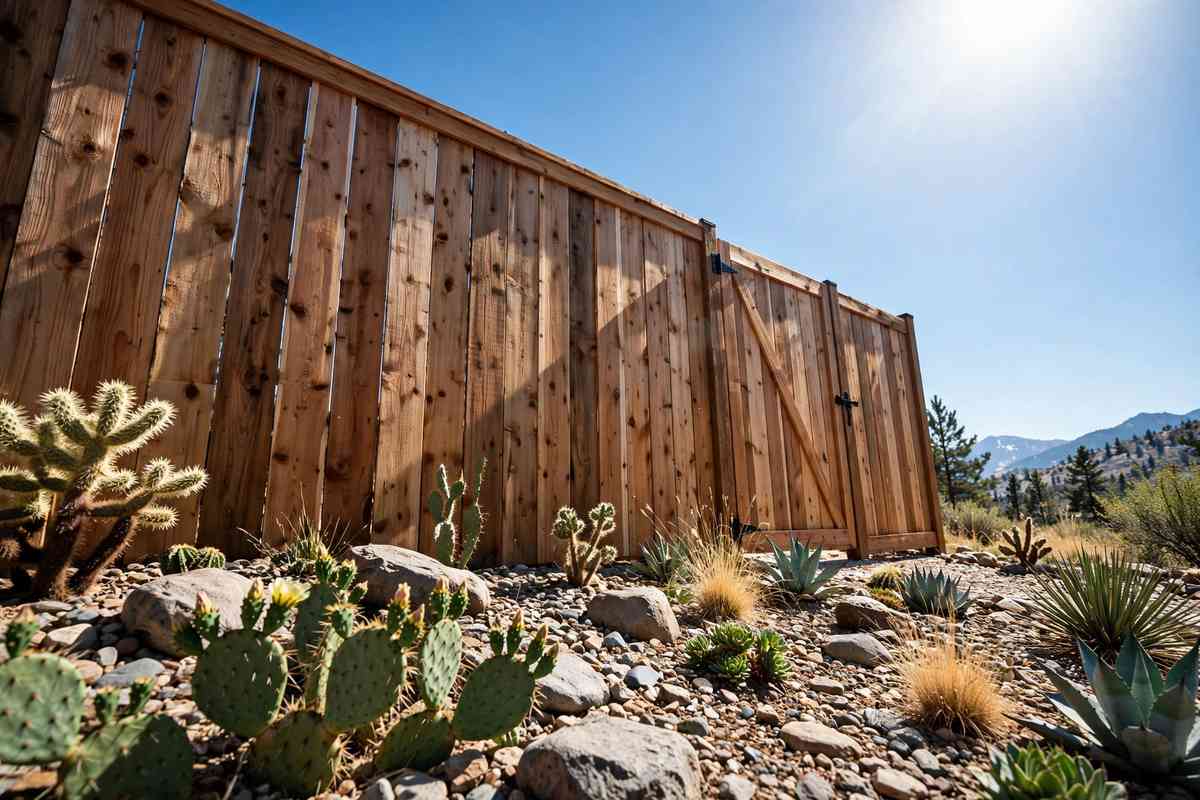
Cedar privacy fence with matching gate, xeriscaped Denver yard, low angle
Denver Fence Contractor 17 Denver neighborhoods served
Open Daily Mon–Sun 7:00 AM–8:00 PM
Call to Book Call (720) 697-2456
Permit Guidance Zoning rules checked per job

What our picket fence installation includes

Every picket fence we build comes with the same core scope: layout, post setting, pickets, gates, and cleanup. Here is what is covered, and what we will flag before we start if your lot needs something different.

Layout and utility locate

We mark the fence line with stakes and a string line, confirm property boundaries, and contact Colorado 811 for utility locates before any digging starts. A front-yard fence is the most visible fence on the lot, so the layout has to be exact.

Posts set in concrete

Picket posts go deep in concrete — frost depth in the Denver metro is commonly cited at about 36 inches — because a low fence on a shallow post still leans in freeze-thaw ground.

Cedar or vinyl pickets

We build with cedar pickets on pressure-treated rails, or vinyl pickets where the homeowner wants no upkeep. Cedar takes stain; vinyl holds its color. We talk through which suits the house.

Walk gate with proper bracing

The walk gate gets a braced frame and a latch that meets the post. We hang it, test the swing, and adjust the latch before we leave. A front gate is used every day, so it has to work every day.

Permit and Landmark guidance

We check the Denver rules for your address — 4 feet in front of the primary facade — and the Landmark rules where they apply. In a historic district, a fence needs a permit at any height, and front fences must stay low and mostly open.

Demo, haul-away, and cleanup

Everything old — picket fence, concrete footings, scrap — goes in the trailer. We rake the work area and sweep the driveway, then walk the line with you before we leave.

Picket fence installation Denver CO: what the job actually involves


Picket fence installation Denver CO is the process of setting posts, hanging rails, and fastening pickets with even spacing to create a low, open front-yard fence — usually 3 to 4 feet tall, at or under Denver's 4-foot front limit. The work is in the spacing: the pickets have to be even, the top has to be level, and the gate has to be built to the walkway, not the other way around.

Most Denver homeowners choose a picket fence for a front yard, a garden edge, or a small dog. It marks the lot without blocking the porch, the street, or the light, and it suits the Craftsman bungalows, Denver Squares, and Victorians that make up much of the city's older housing. The honest limit is privacy: a picket fence does not screen anything, and it will not keep a large dog in.

How our picket fence installation process works

Every job follows the same four steps, whether it is a 30-foot front run in Congress Park or a garden edge in Highland. You will know what happens each day.

01

Call

Call (720) 697-2456, Monday through Sunday, 7:00 AM to 8:00 PM. Tell us about the picket fence, the yard, and the lot, and we will set a time to measure.

02

Measure & plan

We measure the front run to the picket spacing, check the ground and the slope, note trees and roots, and confirm the 4-foot front height rule and the Landmark rules for your address.

03

Build

Posts go in concrete and cure, rails and pickets go up level and evenly spaced, and the walk gate is hung and tested. We keep the site tidy as we go.

04

Walk-through

The last step is a walk of the finished picket fence with you — every gate and latch checked, the site cleared before we leave.

Tools and methods we use on every picket fence

Tools & Equipment

Post hole digger and auger

Used to bore clean holes deep enough to clear the frost line. A low fence on a shallow post still leans in freeze-thaw ground.

String line and level

The string line keeps the fence straight, and the level keeps every post plumb and every picket top level. A picket fence is all top edge — a wavy top shows from the street.

Spacer jig

A spacer block keeps the gap between pickets even across the whole run. Even spacing is the difference between a picket fence and a pile of boards.

Circular saw and nail gun

The circular saw cuts pickets and rails to length, and the nail gun fastens them fast and consistent. We set the depth so nails sink flush without crushing the cedar grain.

Tamper and wheelbarrow

Soil tamped around each footing keeps the picket fence post from shifting, and the wheelbarrow moves concrete mix to the hole.

Level and square for gates

The walk gate is built square and hung on a braced post. We check the diagonal before the gate goes on the hinges, not after.

Methods & Standards

Posts set below Denver frost depth

Denver metro frost depth is commonly cited at about 36 inches, and the exact code figure for fence posts is not settled in the sources we reviewed. Our rule: 36 inches is the floor, never the target, and picket fence posts are set in concrete.

Even spacing, level tops

Pickets are spaced with a jig and the tops are kept level across the run. A picket fence lives or dies on its top edge, and we check it from the street as well as the yard.

Kiln-dried pickets

We use kiln-dried cedar pickets so boards do not twist after install. A twisted picket on a low fence shows immediately.

Front-yard height kept legal

Denver caps front-yard fences at 4 feet in front of the primary street-facing facade. We build to that limit, and we check the Landmark rules where they apply.

When Denver homeowners call us for a picket fence

01

A bungalow front yard needs a fence that suits the house

What we do:We measure the front run, talk through cedar pickets with a flat or pointed top, and check the Landmark rules for the address. A low picket fence suits a Craftsman bungalow in a way a solid fence does not.

→ A front fence that frames the porch and the garden, and looks like it belongs to the house.

02

A small dog needs a front-yard boundary

What we do:We measure the front run, talk through tight picket spacing and a self-closing walk gate, and build it at or under the 4-foot front limit. The fence keeps a small dog in without blocking the street.

→ A front yard the dog can use, with a gate that latches every time.

03

A garden edge needs marking, not screening

What we do:We measure the garden run, talk through a low picket edge, and build it. The fence marks the garden without shading it or blocking the view from the porch.

→ A garden with a boundary that does not become a wall.

04

A historic-district front yard needs a compliant fence

What we do:We check the district rules for the address — in a Denver landmark district, a fence needs a permit and a Certificate of Appropriateness at any height, and front fences must stay low and mostly open. Then we build the approved design.

→ A front fence that passes design review and suits the streetscape.

How picket fence installation runs in Denver

The picket fence is Denver's oldest front-yard fence, and the rules around it are the strictest: 4 feet in front of the primary facade, a permit at any height in a historic district, and front fences more than 50 percent open inside a district. The material is simple — cedar or vinyl pickets on a pressure-treated frame — and the job is small. We keep this page because the front yard matters, not because picket is a big market: it is the weakest-supported fence page in the research, and we would rather say that than oversell it.

Neighborhoods We Serve

  • Baker

    Victorian and Queen Anne homes from the 1870s to 1890s on narrow lots. Part of Baker is a Denver landmark district, where a fence needs a permit at any height and front fences must stay low and mostly open — check per address. On these streets, a low picket fence is the usual call.

  • Highland

    Settled on high ground west of the South Platte and annexed by Denver in 1896 (some histories say 1890). The Potter Highlands Historic District covers about 276 acres and 571 contributing buildings — check per address before planning a fence. A low picket fence is the usual call on these streets.

  • Congress Park

    About 80 percent of buildings date from 1900 to 1929, with the highest concentration of Denver Squares in the city. Part of the neighborhood falls in the 7th Avenue Historic District, and 7th Avenue Parkway triggers a permit at any height. These streets usually call for a low picket fence.

  • Five Points

    One of Denver's oldest neighborhoods, with the Curtis Park Historic District inside it and the Five Points Historic Cultural District designated in 2002. Victorian fronts call for low iron or picket; solid privacy belongs at the rear. On these streets, a low picket fence is the usual call.

  • Montclair

    Platted in 1885 with lots twice the standard Denver size. The Montclair Historic District, designated in 1975, covers only the central heart — Landmark review applies inside it, and period iron and masonry suit the front streetscape. A low picket fence is the usual call on these streets.

Local Conditions We Plan For

  • Historic-district review is block-specific

    In a Denver landmark district, a fence needs a permit and a Certificate of Appropriateness at any height, and front fences must stay low and mostly open. District boundaries are block-specific — never assume a whole neighborhood is or is not in one. For a picket fence, we check the district boundary for your address before we quote.

  • Denver permit and sight-triangle rules

    Denver caps fences at 4 feet in front of the primary street-facing facade and 6 feet behind it, and any fence over 4 feet needs a zoning permit. Corner lots have sight-triangle limits near intersections, and fences sit at least 6 inches back from the public sidewalk. On a picket fence job, the height rule and the sight triangle are checked for your address first.

  • Freeze-thaw cycles that heave shallow posts

    Denver's freeze-thaw ground lifts shallow posts within a winter or two. Frost depth is commonly cited at about 36 inches in the metro, and posts set shallower than that are the usual cause of a leaning fence. A picket fence only holds if the posts are set below the frost line in concrete.

  • Mature trees and root zones

    Many Denver blocks have 100-year-old street trees. Post holes have to be routed around root zones, and a fence line sometimes shifts a few inches to keep a tree healthy. For a picket fence, post holes are routed around root zones — the line sometimes shifts a few inches to keep a tree healthy.

What a typical picket fence job looks like in Denver

Typical situation

A Craftsman bungalow has no front fence, and the homeowner wants a low boundary that suits the house without blocking the porch. The lot is on a flat grid street with a straight front line.

How it is handled

A cedar picket run goes in at or under the 4-foot front limit, with a walk gate that matches the front walk. The pickets are evenly spaced with a jig, and the tops are kept level across the run.

Upkeep:Re-stain every three to four years and keep sprinklers off the pickets. Check the walk gate latch each spring.

Typical situation

A small dog keeps slipping out the front, and the homeowner wants a front-yard fence that does not turn the yard into a compound.

How it is handled

A low picket fence goes in with tight spacing and a self-closing walk gate. The fence marks the lot and keeps the dog in, and the porch and the street stay visible from the yard.

Upkeep:Check the gate latch each spring and the picket bases for soft wood. A rot board at the base keeps the pickets out of wet soil.

Typical situation

A Victorian in a landmark district needs a front fence, and the design has to pass Landmark review.

How it is handled

We check the district rules for the address, draw the picket design, and file for a Certificate of Appropriateness before the zoning permit. Once approved, the fence goes in at the approved height and openness.

Upkeep:Keep the approval letter with the permit paperwork. If a picket is damaged, replace it with the same profile and color the district approved.

Picket fence problems we fix for Denver homeowners

Most picket calls start with a problem, not a wish list. Here are the four we hear most often, and how we handle each one.

Problem

A leaning picket run after a freeze-thaw winter

A low fence on a shallow post still leans in freeze-thaw ground, and a leaning picket run shows immediately from the street.

Our Fix

We dig out the failed footing, reset the post deep in fresh concrete, and rehang the rails and pickets. If the wood is still sound, you keep it.

Problem

Twisted or warped pickets

Pickets cut from green lumber twist as they dry, and a twisted picket on a low fence shows from the street. The fix is in the build: kiln-dried pickets, set straight.

Our Fix

We replace the twisted pickets with kiln-dried stock and check the rest of the run. If the fence was built with green lumber, the twisting will keep coming — and we will say so.

Problem

A walk gate that drags or will not latch

A front gate is used every day, and a dragging gate means the frame is racking or the post has leaned. Keep forcing it and the hinges pull out of the post.

Our Fix

We diagnose the cause first — post, hinges, or frame — and fix the actual problem with a braced frame and proper hardware, then test the swing and the latch.

Problem

A front fence that breaks the 4-foot rule or the district rules

A front fence over 4 feet, or a solid front fence in a historic district, draws a violation notice fast — and in a district, the fence may be ordered removed.

Our Fix

We review the Denver height rules and the district rules for the address, measure the fence, and work out whether a height adjustment or a new Certificate of Appropriateness brings it into compliance.

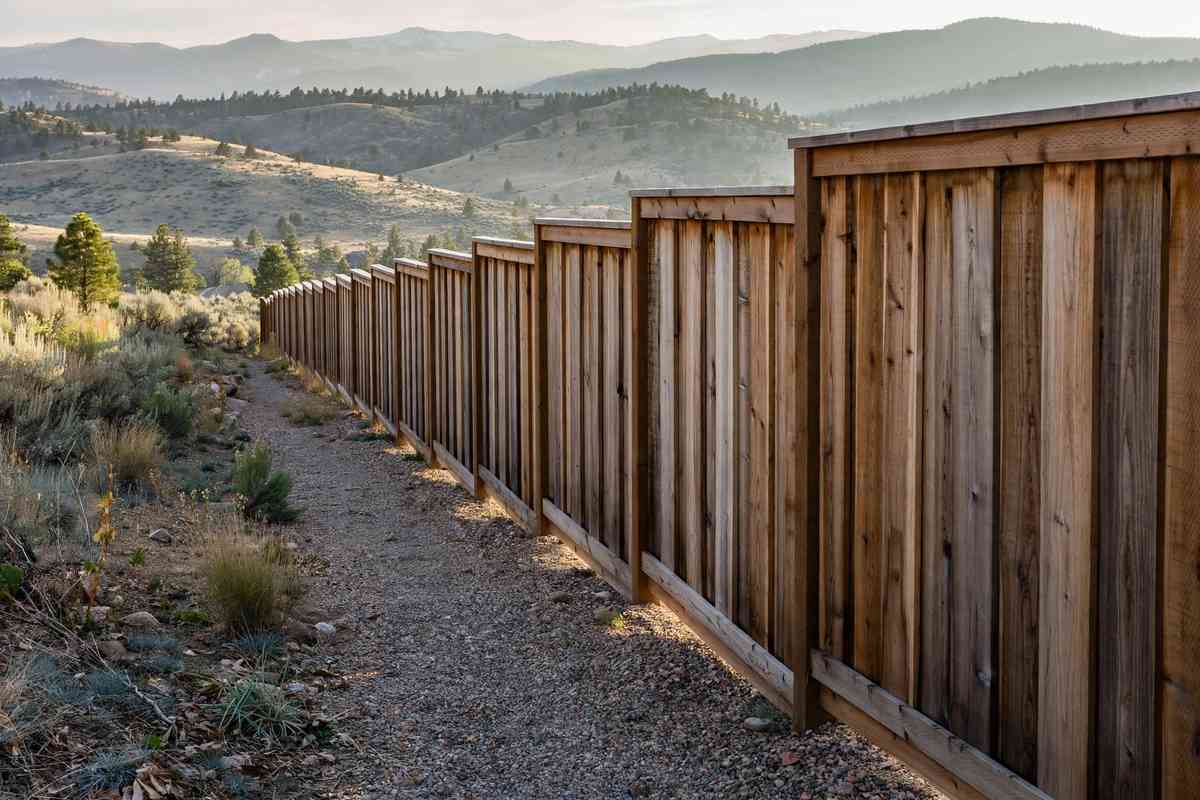
Tall cedar privacy fence along a side yard with gravel path, foothills beyond

Why Denver homeowners choose picket fencing

A picket fence is the front-yard fence: low, open, and built to frame the house. Here is what you actually get when we build yours — and the limits we will not hide.

  • Frames the house, does not hide it

    A low picket fence marks the lot and frames the porch and the garden without blocking the street, the light, or the view from the porch.

  • Suits the older housing stock

    Denver's bungalows, Denver Squares, and Victorians were built with low front fences. A picket fence looks right on those houses in a way a solid fence does not.

  • Repairable picket by picket

    When a picket twists or a gate drags, we replace that picket or fix that gate. You do not replace the whole fence for one bad board.

  • What picket fencing costs in the Denver market

    Third-party market guides published in October and November 2026 put wood picket fencing, 4 feet tall, at $19.94 to $28.28 per linear foot installed. Vinyl picket runs higher. Sources: NumeralQ, 26 Oct 2026. Those are market ranges, not Payless Fence Company prices. Call (720) 697-2456 with your fence length and material and we will talk through a quote for your yard.

Denver fence rules to know before you build

Denver Fence Rules to Know

  • 4 feet in front — the picket rule — Denver caps a fence at 4 feet in front of the primary street-facing facade. In a landmark district, a fence needs a permit at any height, and front fences must stay low and more than 50 percent open.
  • Zoning permit over 4 feet — Denver requires a zoning permit for any fence over 4 feet tall; over-height requests go through the Zoning Code's over-height process. A front picket rarely triggers it.
  • Colorado 811 before digging — We contact Colorado 811 for utility locates before any post hole is dug; never dig blind in a Denver yard — even a low picket needs deep posts.
  • HOA first, city second — In HOA neighborhoods, the association approves the fence before the city permit is filed; neither approval substitutes for the other — and many HOAs specify the picket style.

Rated on Google

Google ★★★★★4.9 out of 5

Rated 4.9 out of 5 from 27 Google reviews. Read the reviews on our Google Business Profile, or call (720) 697-2456 to talk about your fence.

Local experience with picket fences in Denver

Picket fences in Denver are small jobs with strict rules: the 4-foot front limit, the Landmark review where it applies, and the freeze-thaw ground that leans a shallow post. We build them for those conditions: deep concrete footings, kiln-dried pickets spaced with a jig, and a walk gate that works every day.

  • Posts set deep for Denver's bentonite clay and freeze-thaw ground
  • Kiln-dried pickets, evenly spaced with a jig
  • Walk gates braced and hung to swing clean
  • Landmark and HOA checks before the build
  • Old fence, footings, and scrap hauled away
Call (720) 697-2456
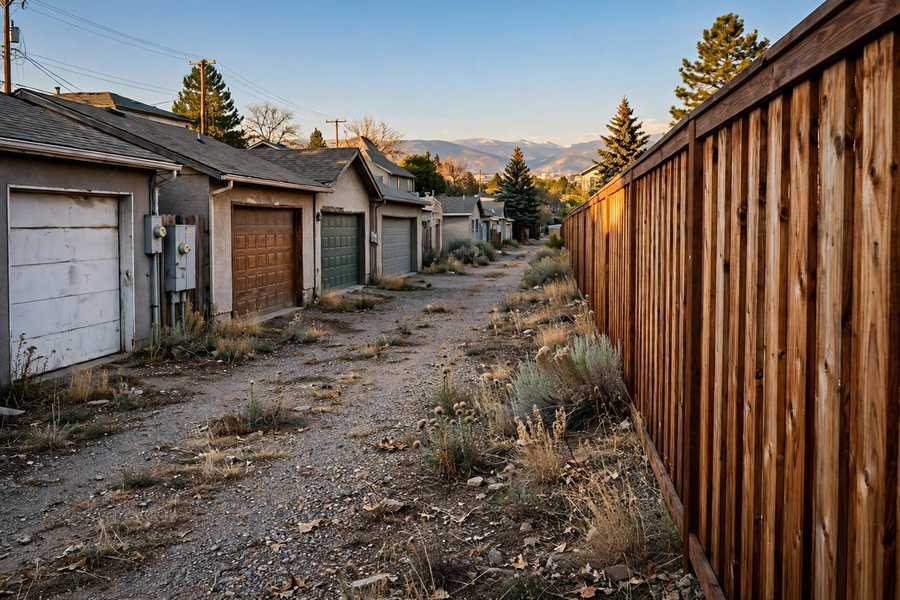
Cedar privacy fence along a Denver back alley, garage doors and gravel

Rated 4.9 out of 5 on Google

Payless Fence Company is rated 4.9 out of 5 from 27 Google reviews. The aggregate covers all of our Denver fence work, picket included. Call (720) 697-2456 to talk about your picket fence.

★★★★★

4.9 out of 5

Based on 27 Google reviews for Payless Fence Company. We do not publish customer quotes on this page; read the reviews on Google, then call us to talk about your fence.

Call (720) 697-2456

Frequently asked questions about picket fence installation in Denver

Real answers to the questions we hear most often on picket fence jobs, from local homeowners and property managers.

How much does picket fence installation cost in Denver?
Third-party market guides published in October and November 2026 put wood picket fencing, 4 feet tall, at $19.94 to $28.28 per linear foot installed. Vinyl picket runs higher. Sources: NumeralQ, 26 Oct 2026. Those are market ranges, not Payless Fence Company prices. Call (720) 697-2456 with your fence length and material and we will talk through a quote for your yard.
How tall can a picket fence be in a Denver front yard?
Denver caps front-yard fences at 4 feet in front of the primary street-facing facade. In a Denver landmark district, a fence needs a permit at any height, and front fences must stay low and more than 50 percent open. A picket fence is the natural fit for that rule — low, open, and period-appropriate.
How long does picket fence installation take in Denver?
Two to four days on site is the usual span for a standard backyard run of 100 to 150 feet, once the permit and utility locate are in hand. The permit and locate add time before the build starts; larger perimeters, gates, and sloped or rocky yards add more still. A low picket run is on the shorter end — the posts and curing set the pace. Call (720) 697-2456 and we will talk through the timing for your lot.
Do I need a permit for a picket fence in Denver?
Denver requires a zoning permit for any fence over 4 feet tall, and a permit at any height on a landmark property, in a historic district, or along a designated parkway. Generally, a fence 4 feet and under needs no permit, and a like-for-like replacement of a permitted fence is exempt when nothing changes in location, footprint, or height. A front picket rarely triggers the permit — it is the rear run that does. Historic-district and parkway rules are block-specific, so check your address before you build — and call (720) 697-2456 and we can walk through what your lot needs.

Call Payless Fence Company about a picket fence in Denver

Call Payless Fence Company at (720) 697-2456 to talk about a picket fence for your front yard. We will go over the fence, the lot, and the permit picture for your address, and set a time to measure.

Call Now Call (720) 697-2456

Talk to our fence crew

Call (720) 697-2456 to talk about a picket fence. We answer Monday through Sunday, 7:00 AM to 8:00 PM. Have your approximate fence length, the style you are considering, and your neighborhood ready, and we can talk through the next steps on the call.

Payless Fence Company


  • Address

    Payless Fence Company LLC, Denver, CO 80201, US

  • Hours

    Mon–Sun 7:00 AM–8:00 PM

Call (720) 697-2456 Call Now
Call Call