7th Avenue Historic District
Part of Congress Park falls inside this Denver landmark district. Fences there need Landmark Preservation review and a permit at any height. The rest of the neighborhood is checked per address.
Congress Park was platted as Capitol Heights in the late 1880s, and its streets are a catalog of early Denver housing: Queen Anne and Victorian in the northwest, Craftsman Denver Squares in the middle, modest bungalows in the southeast. The 7th Avenue Historic District covers part of the neighborhood, and the 7th Avenue Parkway is a designated parkway — both mean a permit is required at any height for fences facing them, with front-yard fences at or under 4 feet and more than 50 percent open inside the district. The rest of Congress Park has no district-wide review, so the rule is checked per address. Many brick bungalows have sleeping porches facing the yard, so rear fences have to screen the porch without blocking its light and air. And the park itself, like Cheesman Park, sits on the old Prospect Hill Cemetery ground, so ground disturbance near the park edge deserves care.
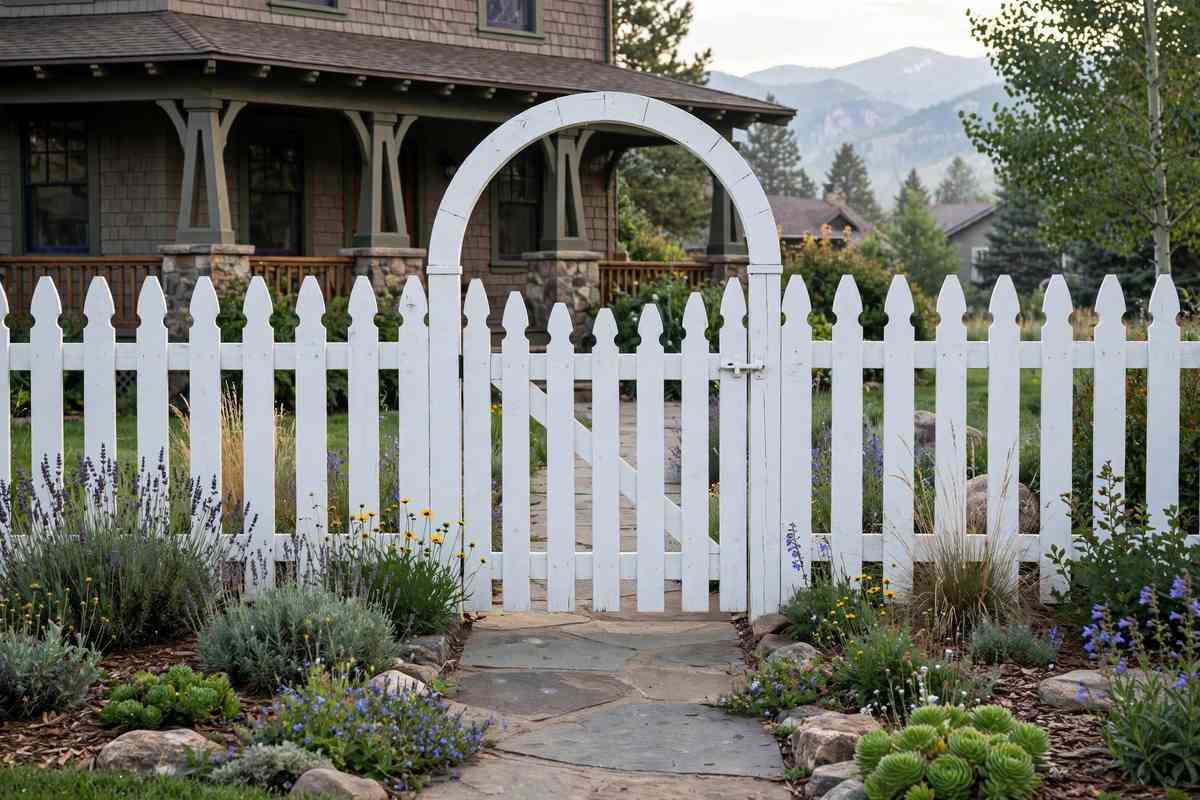
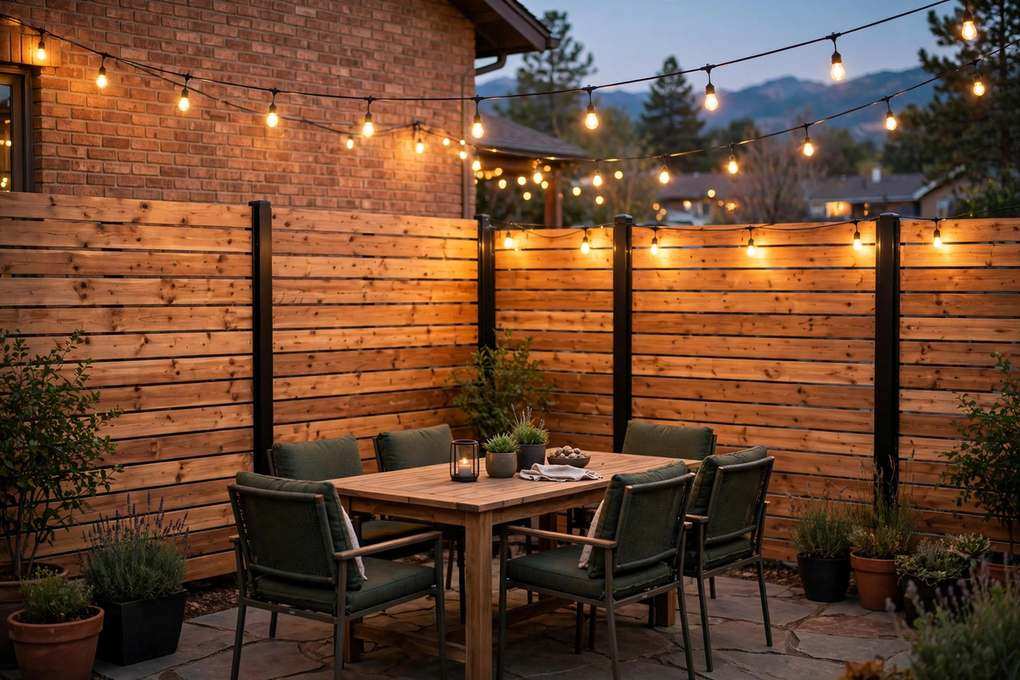
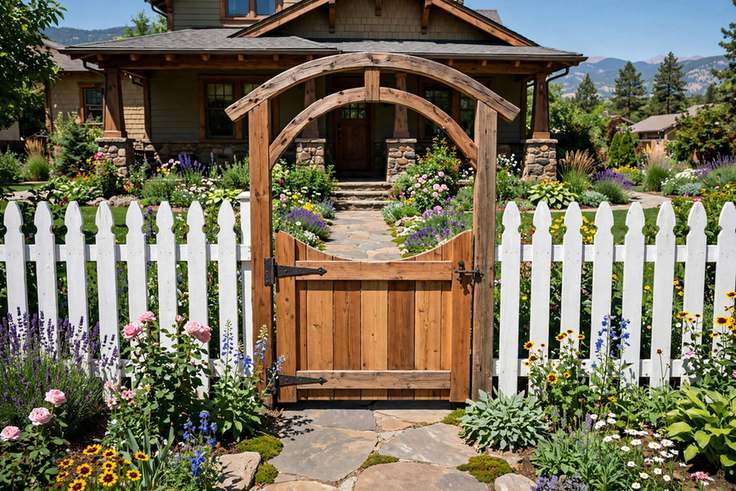
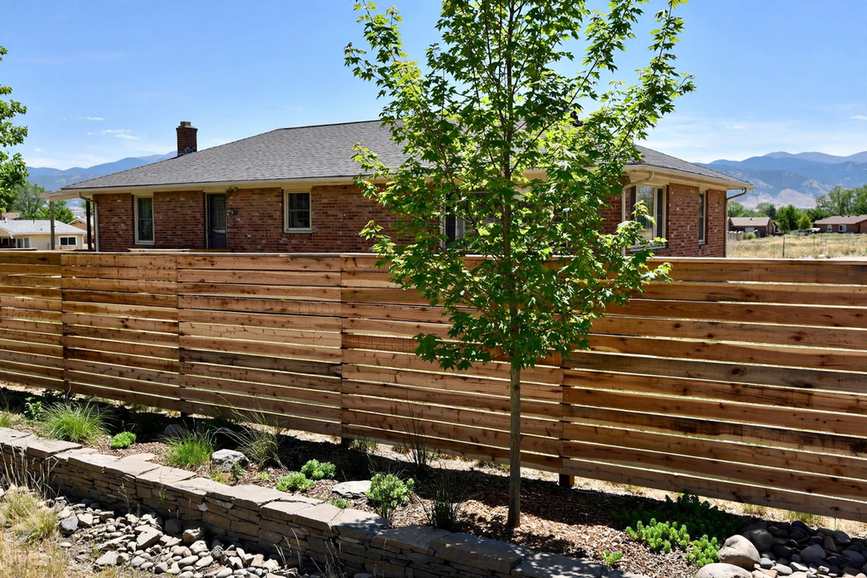
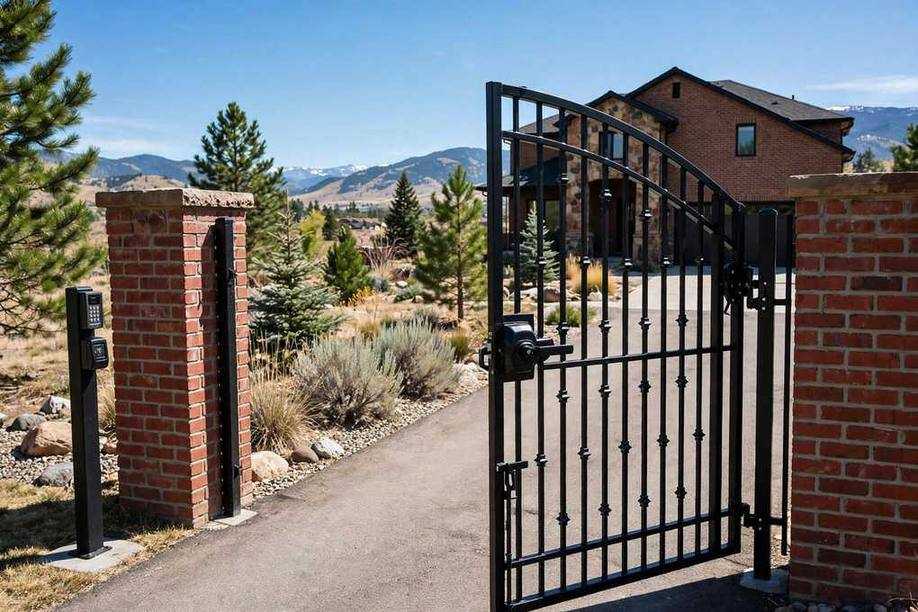
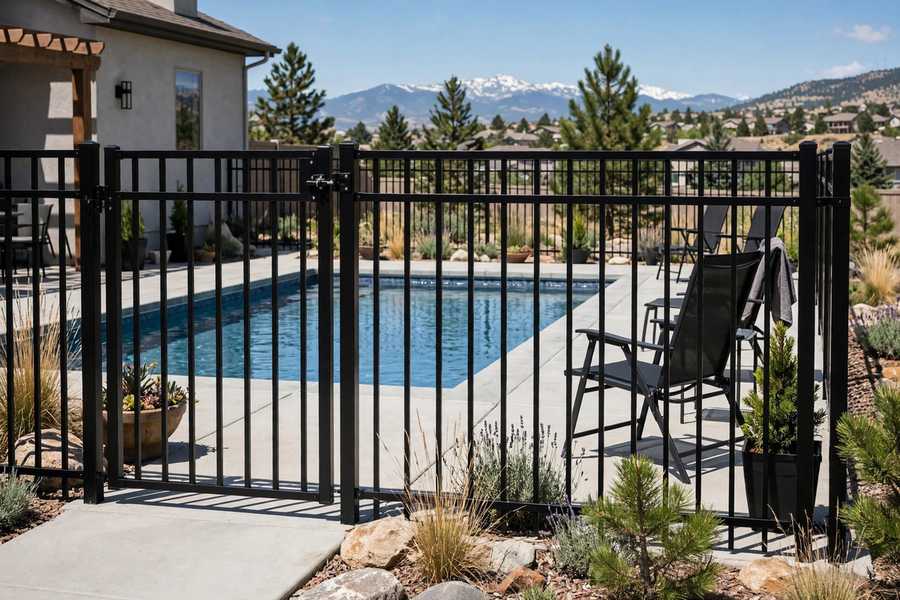
Congress Park work is period-correct and tight-lot: low wood picket and iron fronts, brick piers on Denver Squares, cedar privacy at the rear, and stucco garden walls on some Tudors.
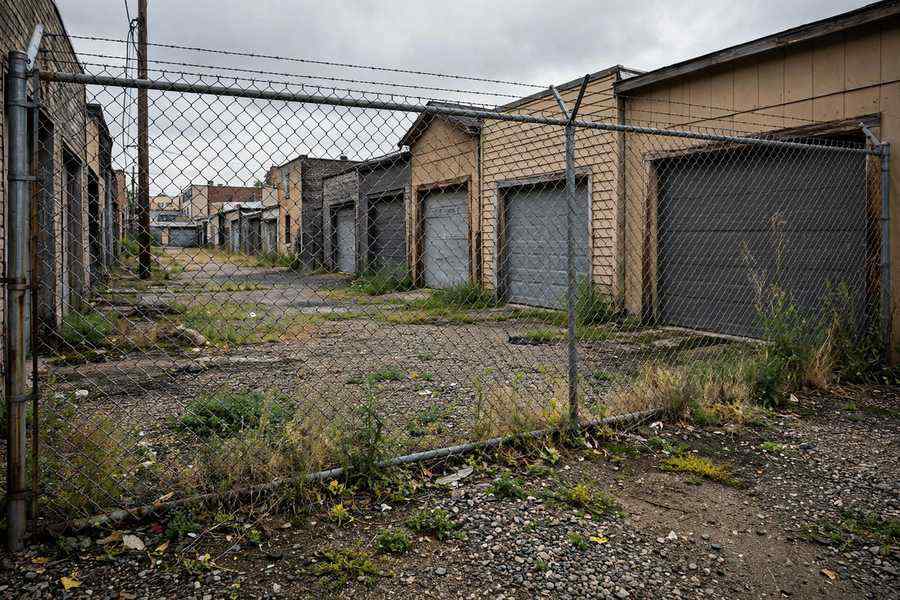
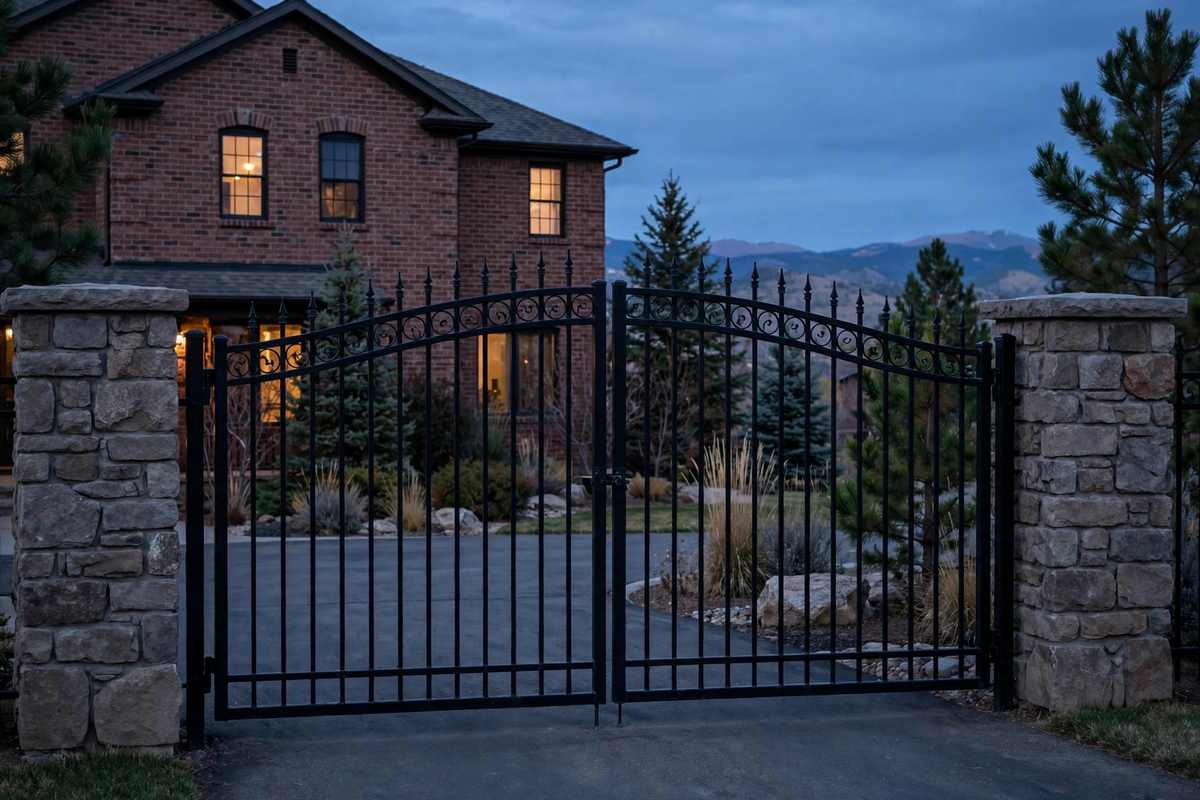
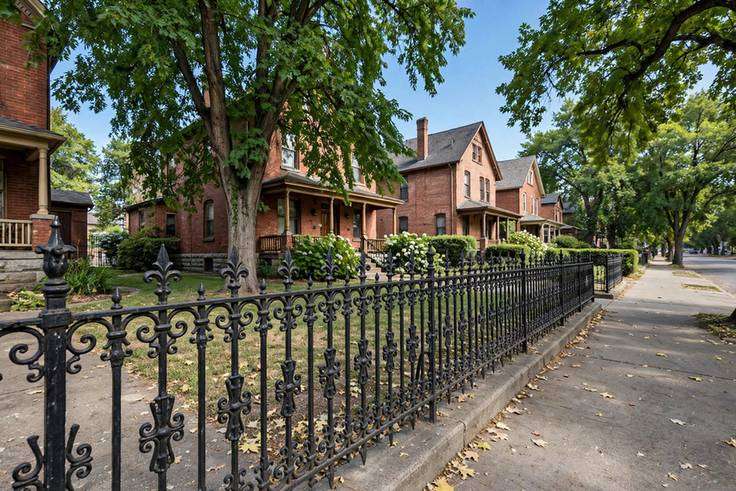

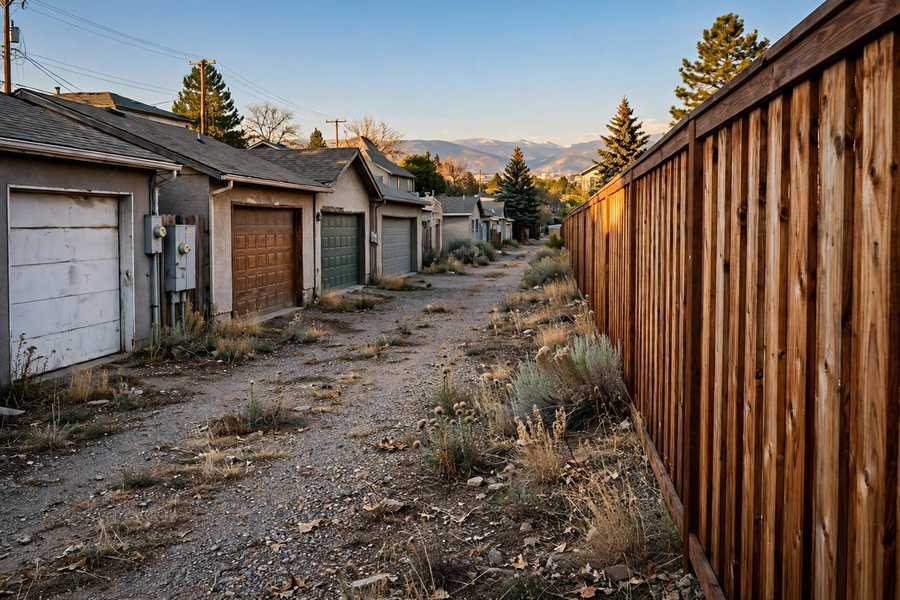
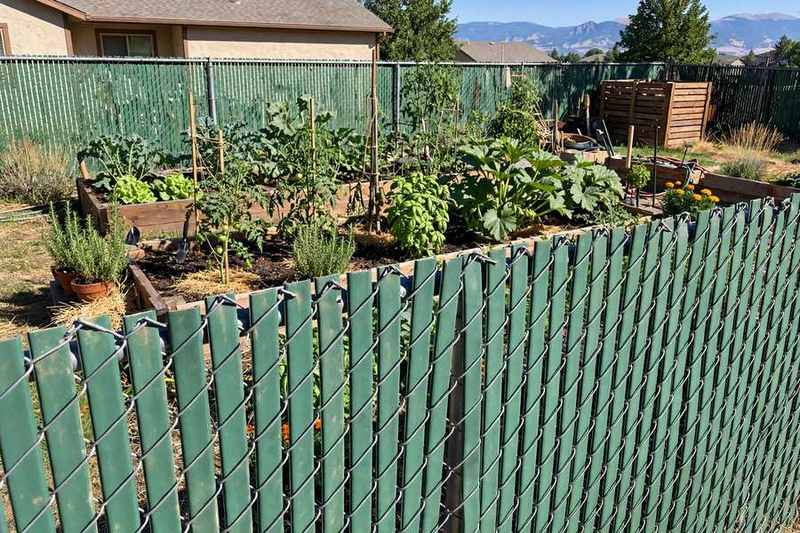
Congress Park has its own set of fence problems, from the local housing stock, the ground, and the streets around it. Here are the four we see most often.
Many brick bungalows have sleeping porches facing the yard. A rear fence has to give the porch privacy without cutting off its light and air — solid 6-foot fencing on the wrong side does the opposite.
Fences facing the 7th Avenue Parkway need a permit at any height, and the parkway is a city-maintained park in itself, so the fence is highly visible.
Lots under 8,000 square feet put fences three feet from the neighbor's porch. Neighbor relations matter, and a wavy run is noticed immediately.
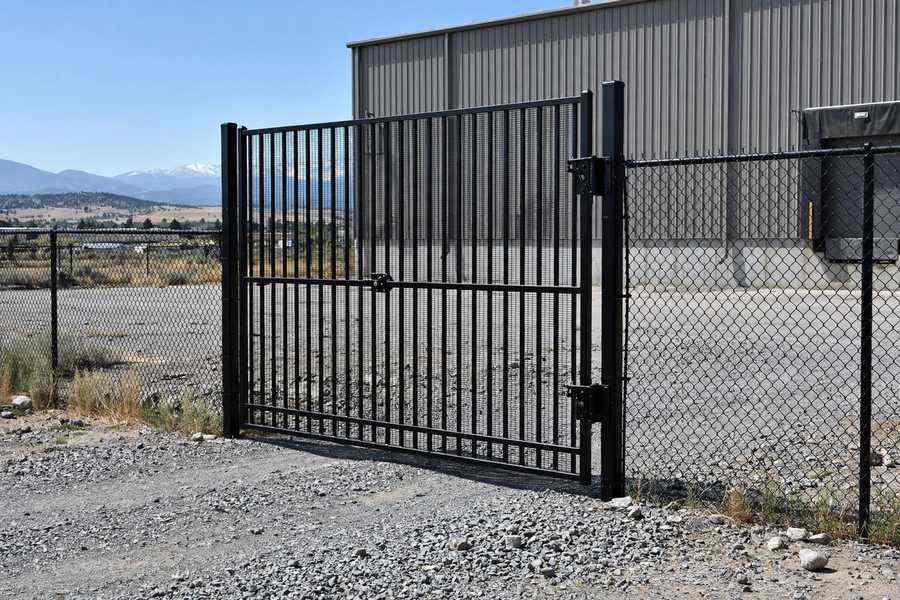
Homes near 12th and Madison and the Bluebird on Colfax back onto commercial uses. Rear security screening is the job there, not garden privacy.
Congress Park fences are mostly low picket and iron in front, cedar privacy at the rear. Watch for these signs.
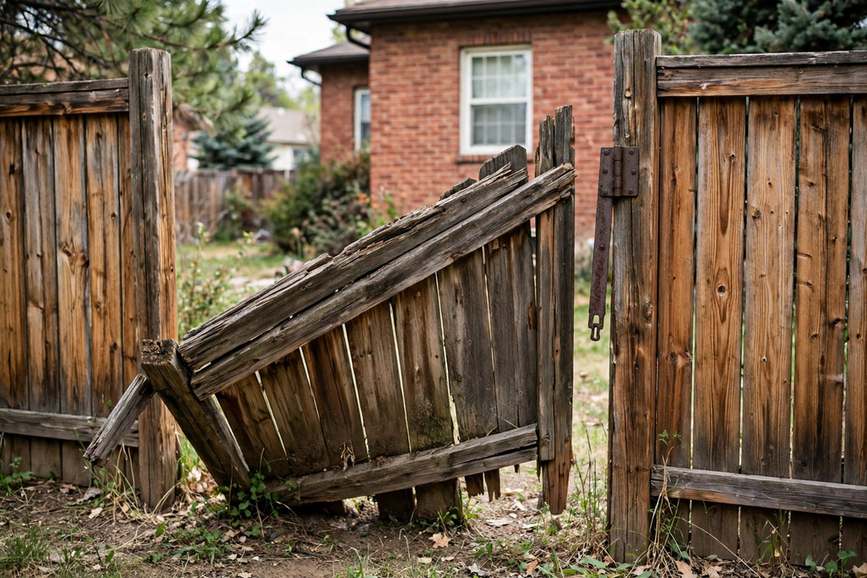
Picket fence is leaning after winter
Freeze–thaw heave moves shallow posts a little each year until the whole run leans.
Brick pier is cracking or leaning
Clay heave works on brick piers as well as wood posts. A leaning pier will take the iron panels with it.
Rear cedar is gray and soft at the ground line
High-altitude UV strips the finish, then moisture rots the pickets where they meet the soil.
Gate drags on a narrow side yard
Tight lots leave no room to re-hang a gate. A dragging gate is usually a moved hinge post.
New build next door overlooks your porch
Two-story infill beside a 1920s bungalow drives privacy-fence demand on the older side.
Four things about Congress Park that decide what fence goes where — and what rules apply to it.
Part of Congress Park falls inside this Denver landmark district. Fences there need Landmark Preservation review and a permit at any height. The rest of the neighborhood is checked per address.
A designated parkway running through the south of the neighborhood — a city-maintained park in itself. Fences facing it need a permit at any height.
The park and Cheesman Park were once Prospect Hill Cemetery. Ground disturbance near the park edge deserves care, as in Cheesman Park.
Commercial nodes at 12th and Madison and on Colfax. Homes nearby back onto commercial uses and need rear security screening.
We work across Congress Park's Denver Square streets, the 7th Avenue parkway, and the bungalow blocks, and across the Denver neighborhoods listed below. Every job starts with a call, not a form — tell us your Congress Park address and we will confirm the lot.
Adjacent cities such as Aurora and Lakewood are not served. Call (720) 697-2456 to confirm we cover your Denver address.
Payless Fence Company is rated 4.9 out of 5 from 27 Google reviews. The rating above is the aggregate from Google; individual reviews are not reproduced here. Call (720) 697-2456 and we will talk through your Congress Park fence job.
Congress Park's fence calendar follows the ground, not the calendar on the wall — and the brick piers, since freeze–thaw works on mortar as well as posts. Spring is the busiest season, summer is prime building weather, fall is the practical window for repairs, and winter work follows the ground and the forecast. Hail season runs roughly mid-April to mid-September, with the peak in May and June.
Spring is when Congress Park's fences show the winter: leaned posts, heaved footings, brick piers with mortar that has started to open up. Once the ground thaws, the damage shows up all at once, and spring is the best time to find and fix it.
Walk your fence line in March and look at the brick piers as well as the posts — mortar opens up over winter.
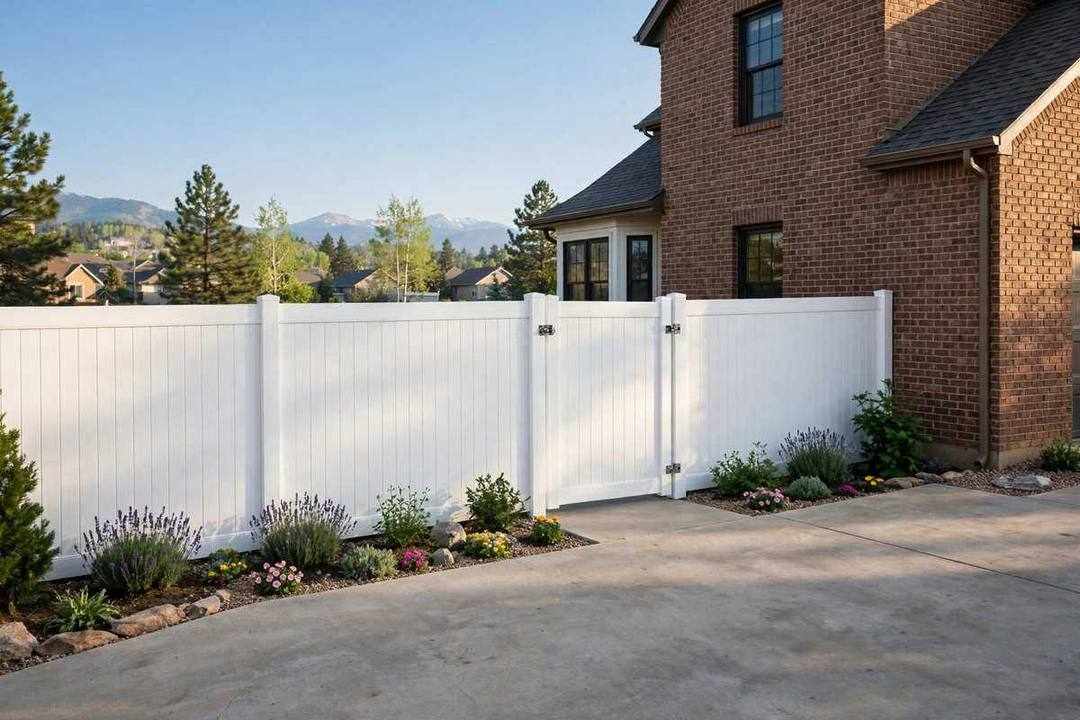
Summer is prime building weather on a Denver Square lot: long days and dry ground, so concrete sets fast — but it is also peak demand and peak hail season. On a Denver Square lot, low iron and picket take hail better than vinyl, which can crack.
After a hailstorm, check picket tops for splits and iron panels for bends before the damage spreads.
Fall is the repair season on Congress Park's tight lots: the ground is still workable, the summer rush has eased, and posts can be reset in concrete before the first freeze. Denver Square gate hardware gets adjusted now, before ice makes a dragging gate worse.
September is the month to check the gates and latches — a small repair now beats a January emergency.
Winter building is possible year-round with frost augers and concrete additives, but jobs move below about 25°F, in heavy snow, or on saturated ground. Every freeze–thaw cycle heaves a shallow post a little more.
After the first heavy snow, walk the lot line and look for posts that have started to lean.
Congress Park sits among Denver neighborhoods with their own housing stock and fence rules. These are the closest pages in our Denver set.
(Denver neighborhood)
Mansion rows and apartment courts, where the work is often a rear parking enclosure or courtyard fence.
View Capitol Hill(Denver neighborhood)
High-end cedar, iron, and masonry on small luxury lots around Cherry Creek North.
View Cherry Creek(Denver neighborhood)
North, South, and Northeast Park Hill in one hub — bungalows, Tudors, and deep 40-foot setbacks.
View Park HillReal answers for the questions we hear most often before a job starts in Congress Park.
If you need a fence installed, repaired, or replaced in Congress Park, call Payless Fence Company at (720) 697-2456. We are open Monday to Sunday, 7:00 AM to 8:00 PM. Tell us which Congress Park you are in — a Queen Anne or Victorian in the northwest, a Craftsman Denver Square in the middle, or a bungalow in the southeast — and whether your fence faces the 7th Avenue Historic District or the 7th Avenue Parkway, where a permit is required at any height. We will talk through the house, the frontage, and the rules that apply to your address before we quote.
Call (720) 697-2456 to talk about your fence in Congress Park. Tell us whether it is a Denver Square front to match, cedar privacy at the rear of a brick bungalow, or a fence facing the 7th Avenue Historic District or the 7th Avenue Parkway — those two frontages need a permit at any height, and that changes the order of the job. We are a phone-only business, open Monday to Sunday, 7:00 AM to 8:00 PM. Tell us your address, what the fence is doing now, and what you want it to do.
Phone
(720) 697-2456Address
Payless Fence Company LLC, Denver, CO 80201, US
Hours
Monday–Sunday: 7:00 AM – 8:00 PM