
Montclair Historic District
Designated 1975, the city's fifth landmark district, covering the central heart only. Landmark Preservation reviews fences there, including fences under 4 feet. Check per address.
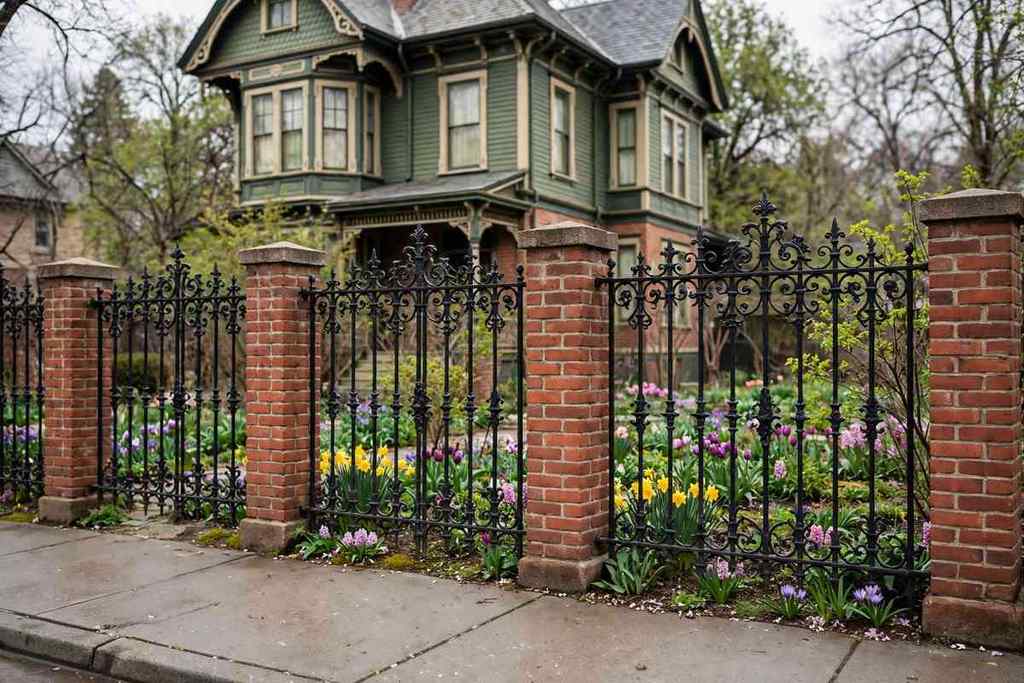
Montclair was platted in 1885, incorporated as a town in 1888, and annexed to Denver in 1902 or 1903. Later infill added bungalows, cottages, Tudor Revival homes, and modern ranches, so an 1890s Queen Anne can stand next to a 1950s ranch on the same block — and the fence has to match the house, not the street. The Montclair Historic District was designated in 1975, the city's fifth landmark district, but it covers the central heart only, so boundaries must be checked per address. Inside it, Landmark Preservation reviews exterior changes, including fences, and fences under 4 feet still need review in a historic district. The Historic Montclair Community Association is a community association, not a verified HOA — do not call it one. Period iron gates and fences are documented here, including the 1896 Queen Anne at 790 Oneida Street, and the Richthofen Castle and the Molkery — the Montclair Civic Building — set the heritage reference for the streets.
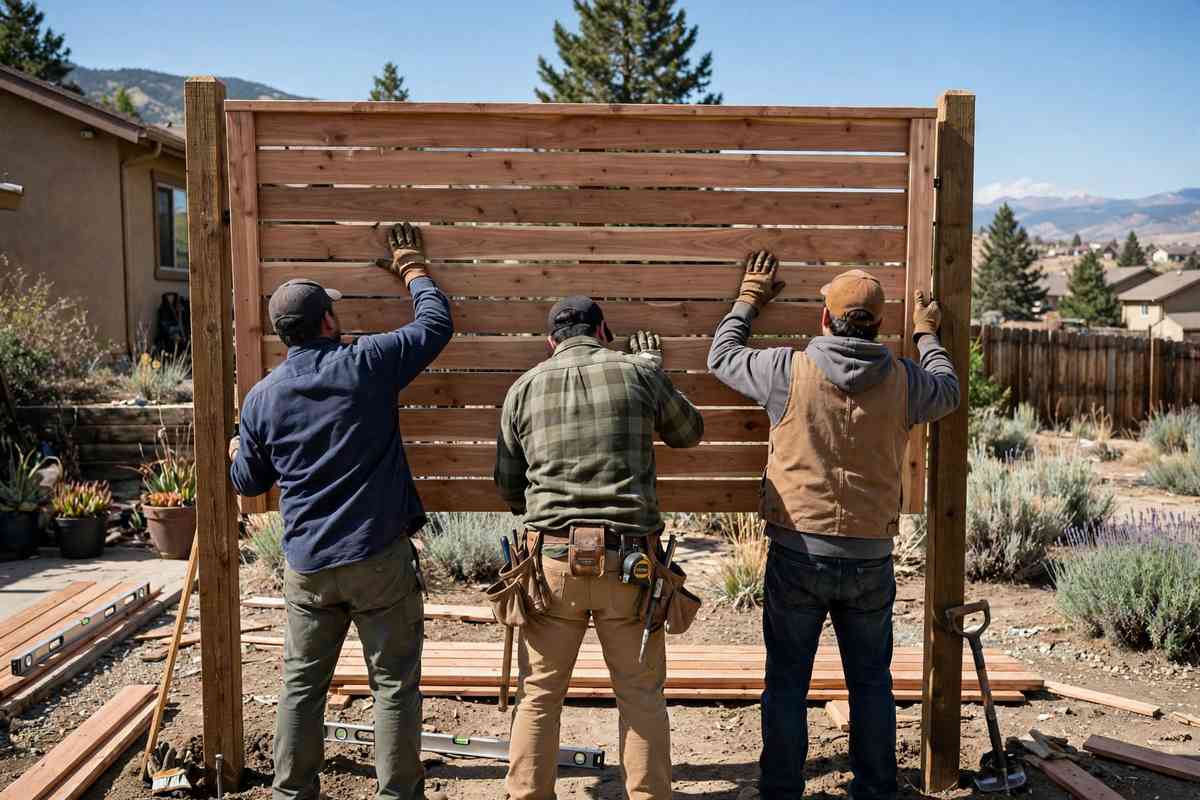
Montclair work is period iron gates and fences, low brick and stone walls with iron, wood picket on cottages, and cedar privacy kept at the rear and out of the historic streetscape.
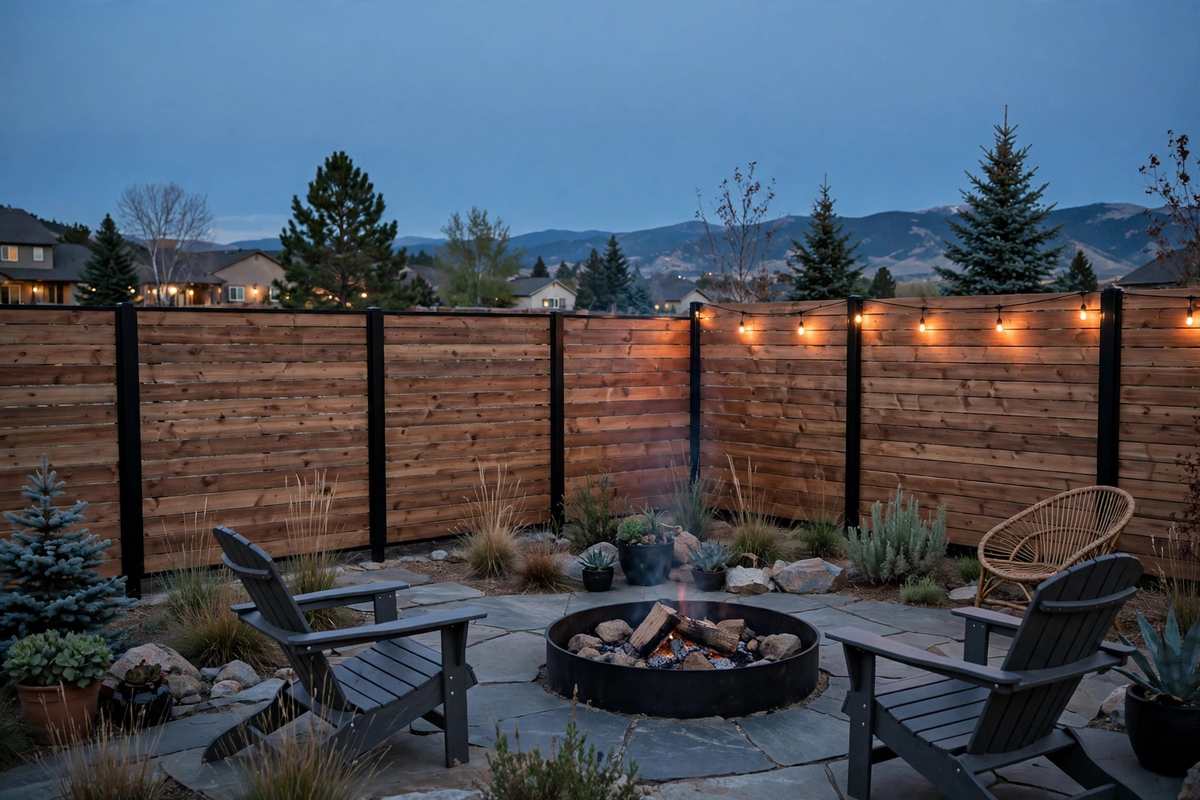
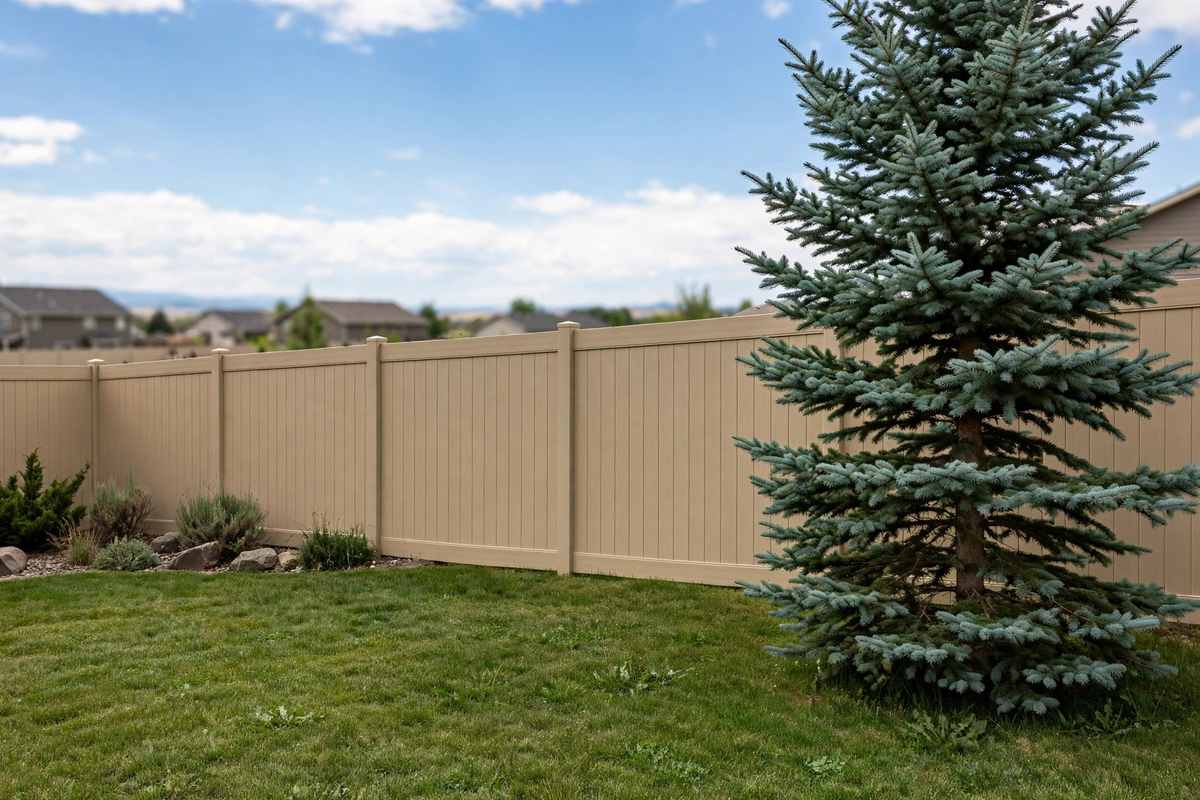
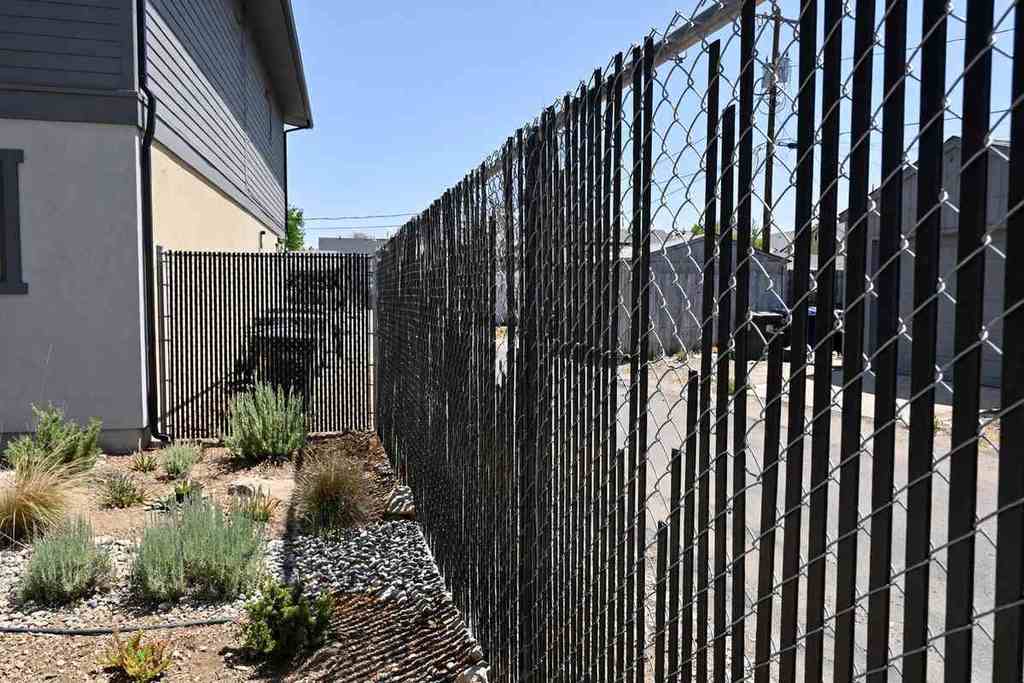
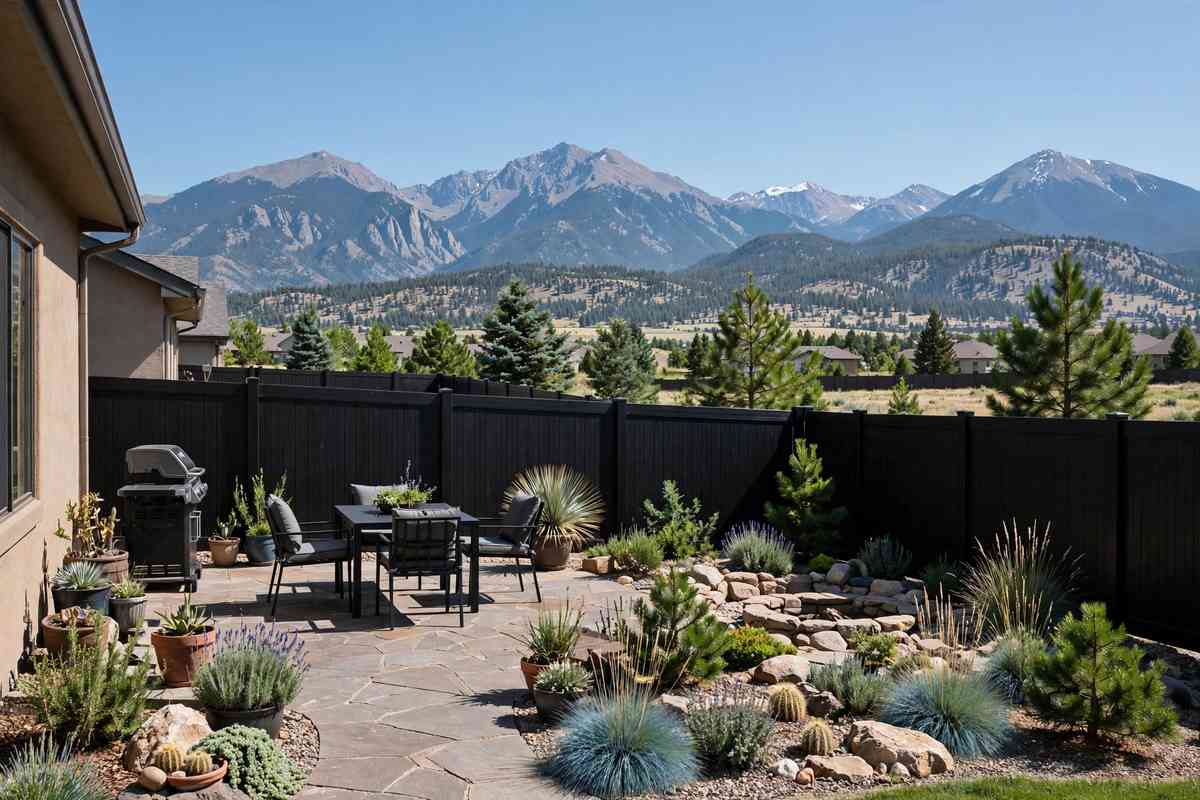
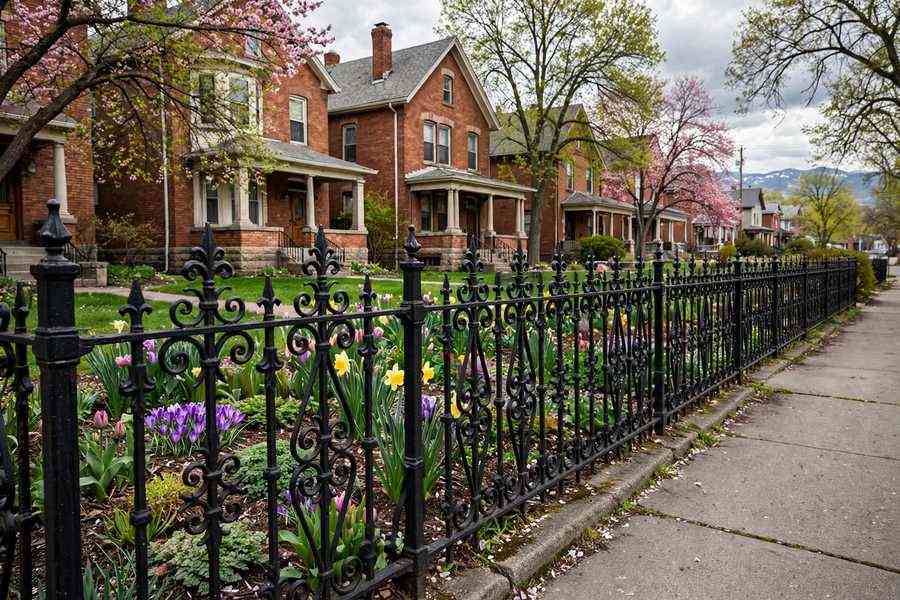
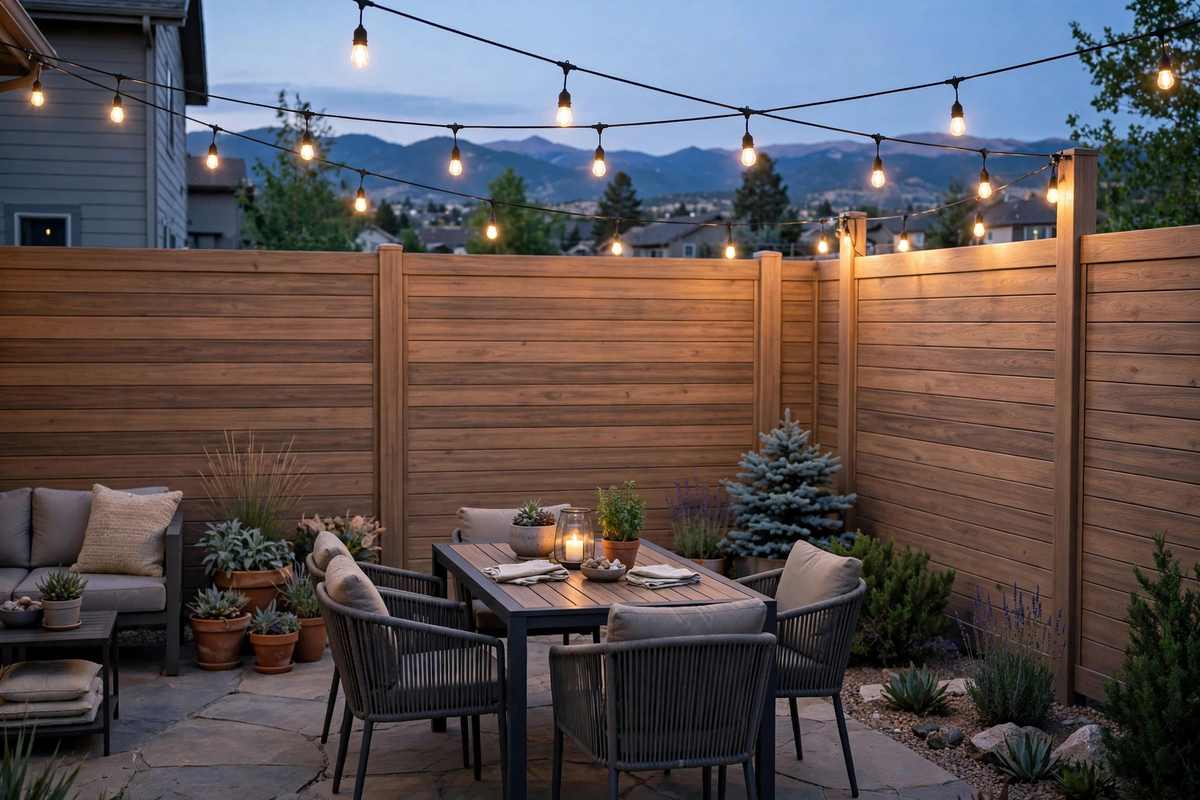
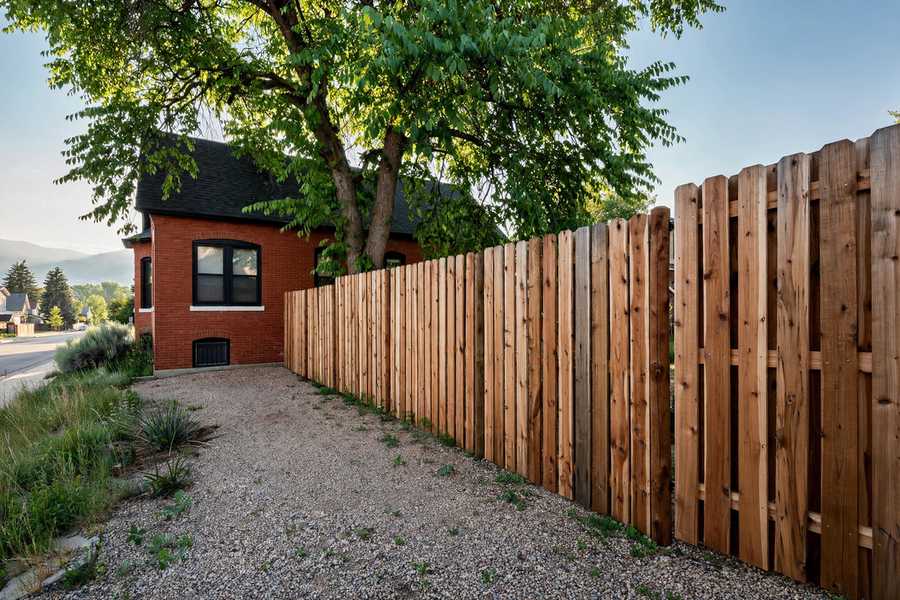
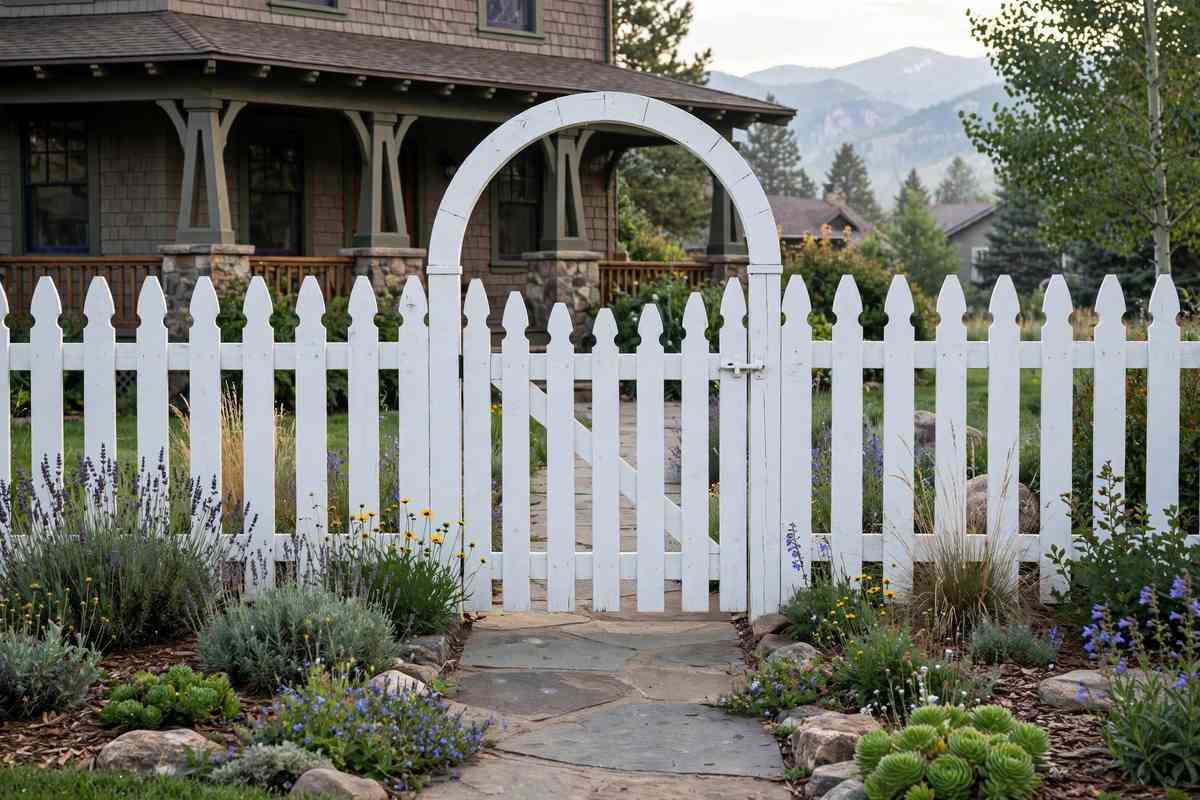
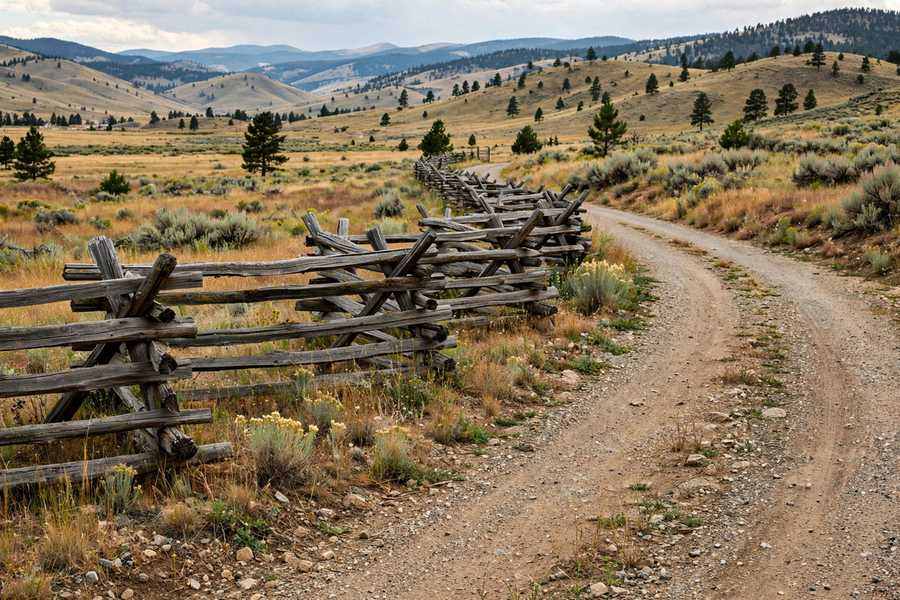
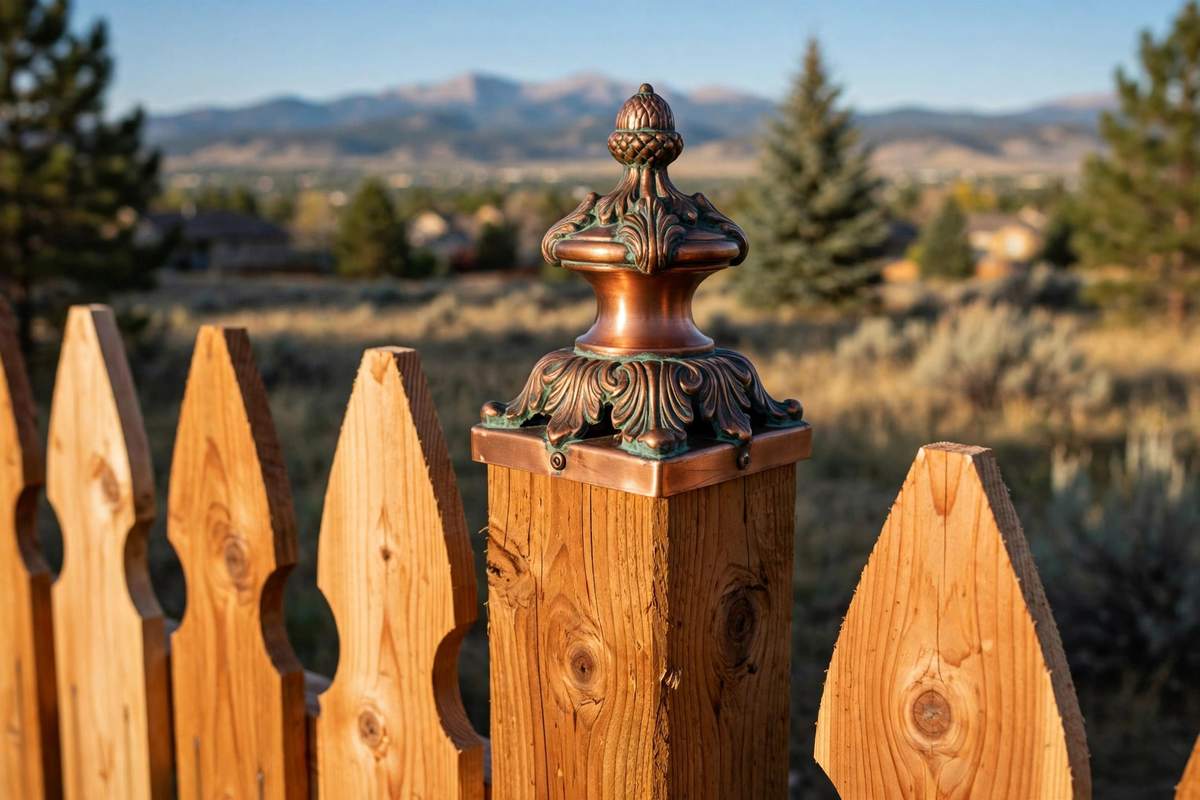
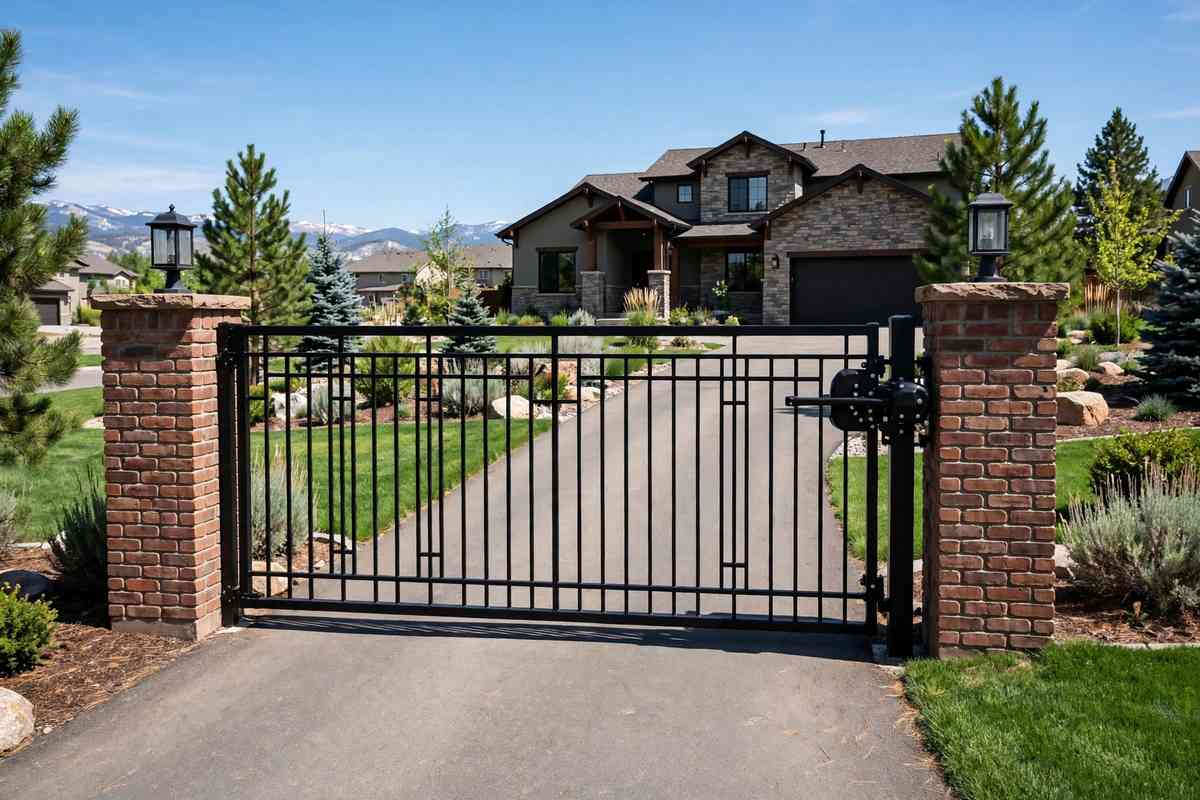
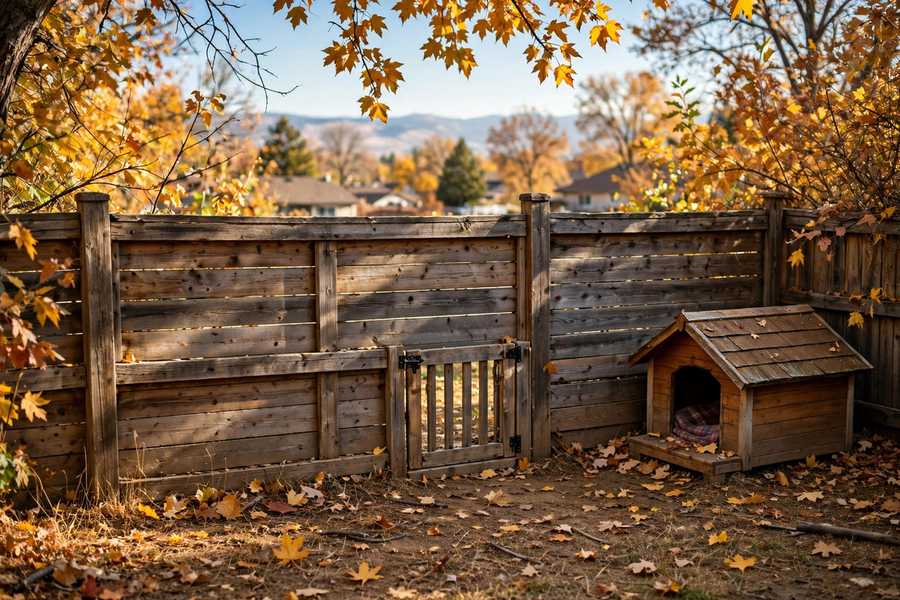
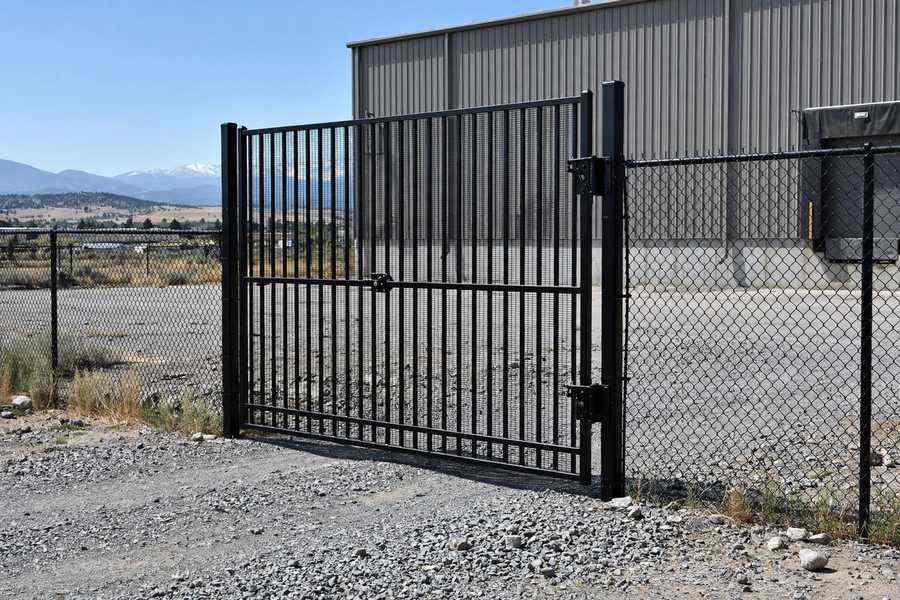
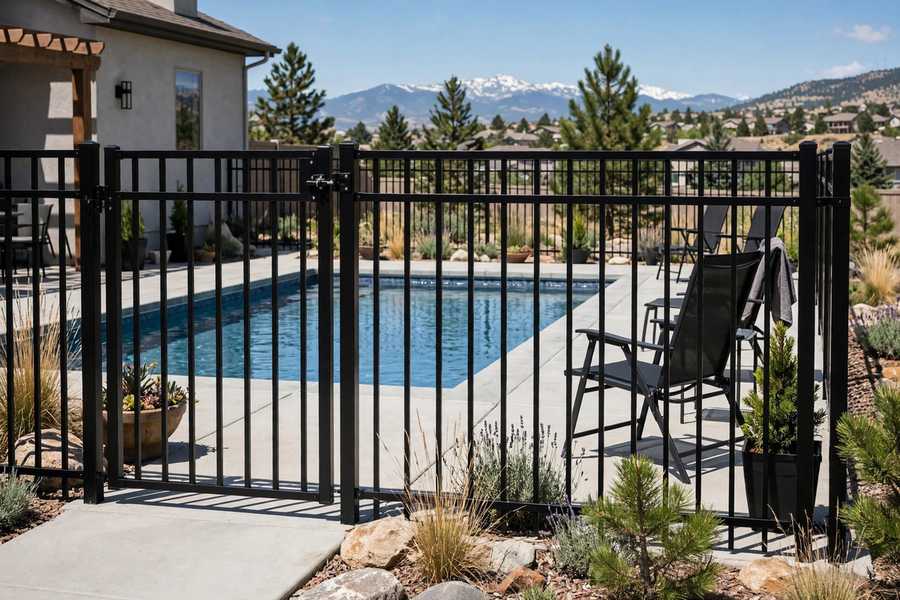
Montclair has its own set of fence problems, from the local housing stock, the ground, and the streets around it. Here are the four we see most often.
An 1890s Queen Anne next to a 1950s ranch needs two different fences. Style has to match the house, not the street.
Any fence in the district core needs Landmark Preservation approval, and material, height, and design must match the period streetscape. That is the single most important fence fact in Montclair.
Grand old trees overhang lot lines. Post placement must avoid root damage and the city tree lawn.
Colfax Avenue to the north and 6th Avenue to the south mean arterial-facing side fences for noise and privacy on the boundary streets.
Montclair fences range from 1890s iron to 1950s ranch privacy. These are the signs yours needs work.
Iron gate or fence is rusting at the base
Period iron rusts at ground level in clay soil. Early repair keeps it standing; late repair means fabrication.
Brick or stone wall is cracking or leaning
Clay heave works on masonry as well as wood. A leaning pier will take the iron panels with it.
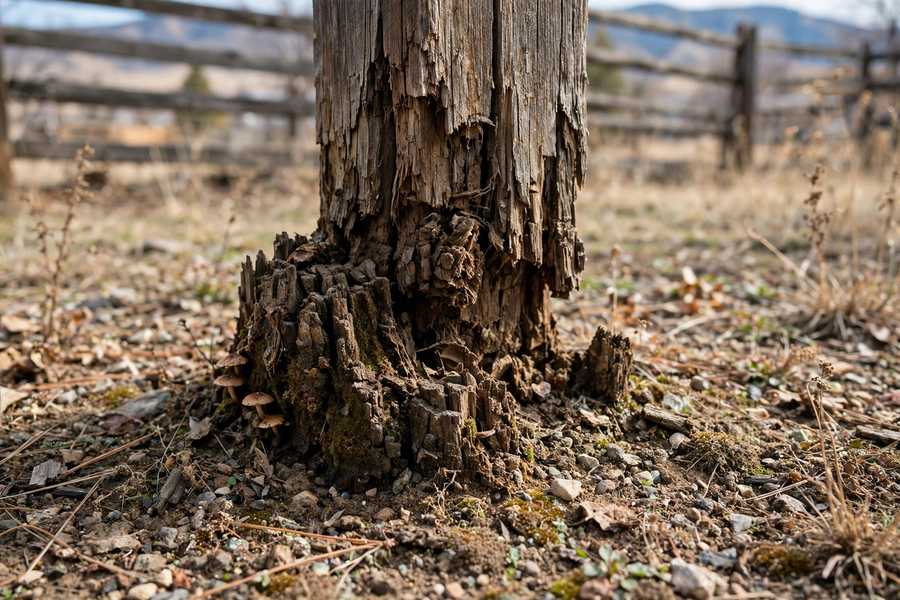
Cedar at the rear is gray and soft at the ground line
High-altitude UV strips the finish, then moisture rots the pickets where they meet the soil.
Picket fence is leaning after winter
Freeze–thaw heave moves shallow posts a little each year until the whole run leans.
New build next door overlooks your yard
Infill beside a 1890s cottage drives privacy-fence demand on the older side, at the rear only.
Four things about Montclair that decide what fence goes where — and what rules apply to it.
Designated 1975, the city's fifth landmark district, covering the central heart only. Landmark Preservation reviews fences there, including fences under 4 feet. Check per address.
Heritage streets around the castle and the Montclair Civic Building, where period ironwork and stone walls are the reference, not vinyl.
Original lots twice the standard Denver 25 by 125 feet mean unusually long frontages. Front-yard fencing is a design statement here, not a commodity run.
Arterial-facing side fences for noise and privacy on the northern and southern boundary streets.
We work across Montclair — the 1885 plat where an 1890s Queen Anne can stand next to a 1950s ranch on the same block, so the fence has to match the house, not the street. The Montclair Historic District, designated in 1975, covers the central heart only, and the original double-width lots mean frontages twice the standard Denver 25 by 125 feet, so a front fence here is a design statement, not a commodity run. Every job starts with a call, not a form: give us your Montclair address, tell us whether you are near Richthofen Castle or the Molkery, and we will check whether the landmark district reviews your fence before we quote.
Adjacent cities such as Aurora and Lakewood are not served. Call (720) 697-2456 to confirm we cover your Denver address.
Payless Fence Company is rated 4.9 out of 5 from 27 Google reviews. The aggregate rating is published here; the individual reviews live on Google. Call (720) 697-2456 and we will talk through your Montclair fence job.
Montclair's fence calendar follows the ground, not the calendar on the wall — and the grand old trees, since roots and falling limbs shape the fence year as much as the weather. Spring brings the rush, summer is prime building weather, fall is the repair window, and winter work follows the ground and the forecast. Hail season runs from about mid-April to mid-September, with May and June the peak.
Spring is the busiest season in Montclair: the ground thaws and post-winter damage shows up all at once — leaned posts, heaved footings, period iron that has shifted under a tree limb. It is the best time to find and fix the freeze–thaw damage.
Walk your fence line in March and look up as well as down — a limb that rubs the iron all winter will show in spring.
Summer means long days and dry ground, so concrete sets fast — but demand and hail both peak then. Vinyl is the most hail-vulnerable material; wood and metal fare better in a hailstorm, which matters on a landmark-district street.
After a hailstorm, check vinyl panels for cracks and ironwork for bends before the damage spreads.
Fall is the practical window for repairs before winter. The ground is still workable, so posts can be reset in concrete before the first freeze, and period iron gates can be adjusted before ice makes a dragging gate worse.
Check the gates and latches in September. A small repair now beats a bigger problem in January.
Winter work is possible year-round with frost augers and concrete additives, but jobs are rescheduled below about 25°F, in heavy snow, or on saturated ground. Freeze–thaw pushes shallow posts up a little more each winter.
After a heavy snow, check the fence for leaning posts or sagging rails and call us to talk through it.
Montclair sits among Denver neighborhoods with their own housing stock and fence rules. These are the closest pages in our Denver set.
(Denver neighborhood)
North, South, and Northeast Park Hill in one hub — bungalows, Tudors, and deep 40-foot setbacks.
View Park Hill(Denver neighborhood)
Master-planned new-urbanist community on the former airport, where HOA design review comes before the city permit.
View Central Park(Denver neighborhood)
Uniform 1950s ranch rows with park-backed lots and private gates to Ash Grove Park.
View Virginia VillageReal answers for the questions we hear most often before a job starts in Montclair.
If you need a fence installed, repaired, or replaced in Montclair, call Payless Fence Company at (720) 697-2456. We are open Monday to Sunday, 7:00 AM to 8:00 PM, and we will talk through your grand lot, your landmark district, and the rules that apply to your address.
Call (720) 697-2456 to talk about your fence in Montclair — period iron on a grand lot, or cedar privacy kept at the rear. We are phone-only, open Monday to Sunday, 7:00 AM to 8:00 PM. Tell us your address and whether it falls in the landmark district.
Phone
(720) 697-2456Address
Payless Fence Company LLC, Denver, CO 80201, US
Hours
Monday–Sunday: 7:00 AM – 8:00 PM