
Curtis Park
Denver's first streetcar suburb, inside Five Points, with nearly 500 late-19th-century houses still standing. The Curtis Park Historic District is a Denver landmark district — check per address.
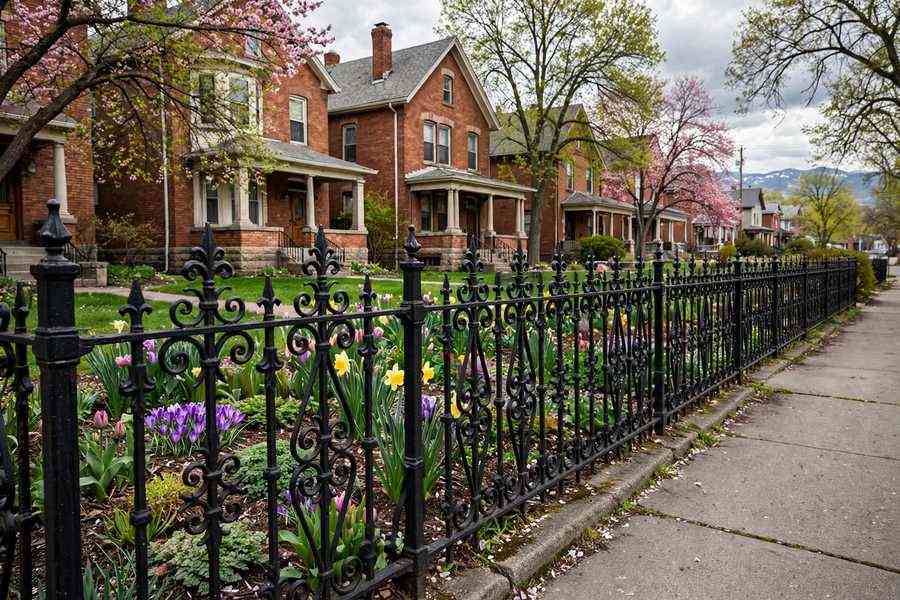
Curtis Park sits inside Five Points — it is not a separate neighborhood — with a golden age from 1870 to 1893 and nearly 500 late-19th-century houses still standing, listed on the National Register in 1975. The Curtis Park Historic District is a Denver landmark district, and the Five Points Historic Cultural District was designated in 2002 to recognize Black history. Inside the landmark district, Landmark Preservation reviews fences and a permit is required at any height, with front-yard fences at or under 4 feet and more than 50 percent open. District boundaries are block-specific, so we check per address. The street pattern is part of the job too: Five Points is where downtown's diagonal grid meets east Denver's rectangular grid, so corner lots are unusually angled with complex sight triangles. Many Victorians were subdivided into multi-unit apartments, so shared yards, multiple gates, and association or co-owner decisions are common.
RiNo — the River North Art District — overlaps the northern and fringe blocks of Five Points. It is not a separate neighborhood, and it has no standalone page here. The northern blocks are now galleries, breweries, and warehouses, with modern townhomes and lofts on the same streets as Victorian houses. Homes there back onto commercial and industrial uses and need security fencing, not just garden privacy, and the modern horizontal slat you see on RiNo-edge townhomes is a different fence from the low iron and picket of Curtis Park.
LoDo — Lower Downtown — is the historic warehouse district on Five Points' southern edge, not a separate neighborhood. The Lower Downtown Historic District was created in 1988, covering 25 square blocks and 127 historic structures, and any exterior fence or gate on one of those warehouse buildings needs design-review approval, with period iron and brick replicated rather than replaced. Housing there is almost entirely condos and lofts in converted 19th-century brick warehouses, so the fence work is building perimeter, courtyard, and rooftop-terrace railing and gates — a commercial and condo scope, not a backyard fence. The Coors Field and Ballpark blocks bring event crowds and parking pressure, and fences and gates there take event-day wear.
Five Points work is low wrought iron and wood picket in front, cedar privacy at the rear, brick piers on some Victorians, modern horizontal slat on the RiNo-edge townhomes, and security fencing where homes back onto galleries, breweries, and warehouses.
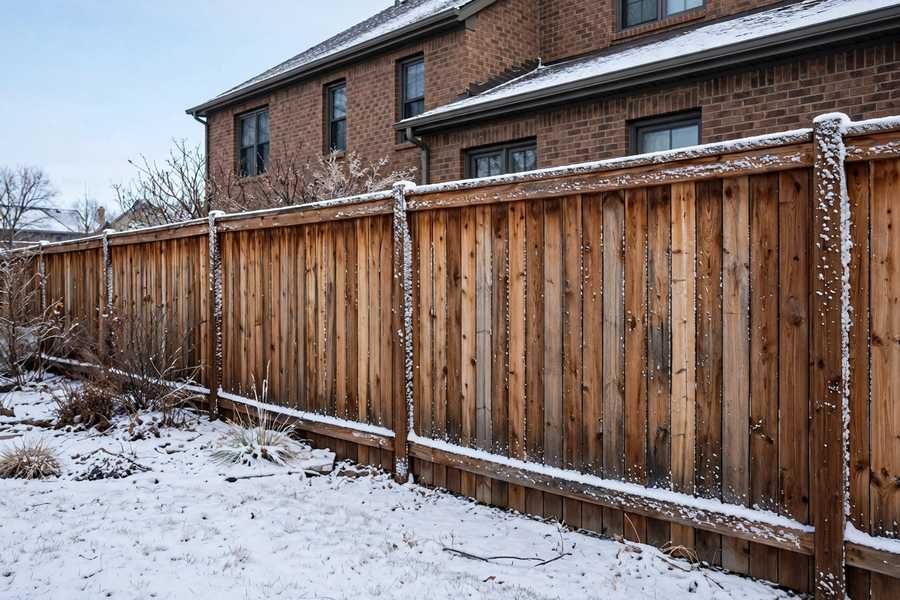
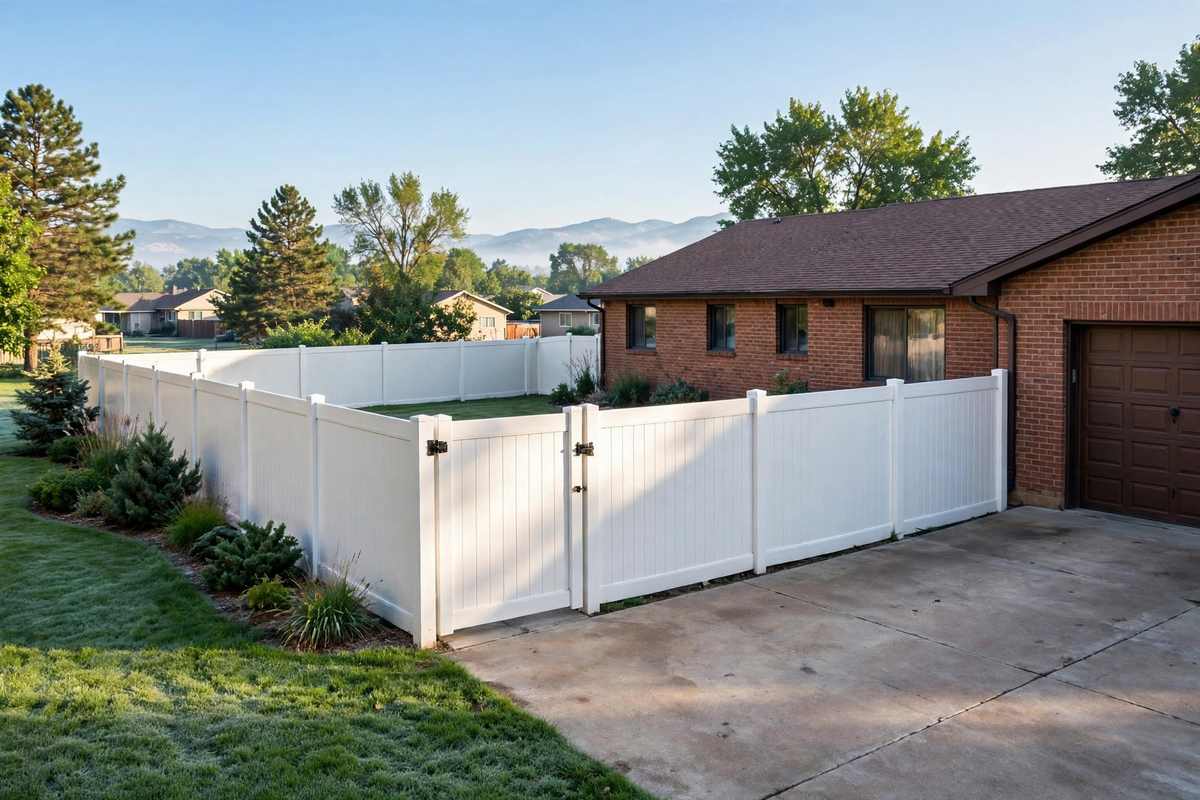
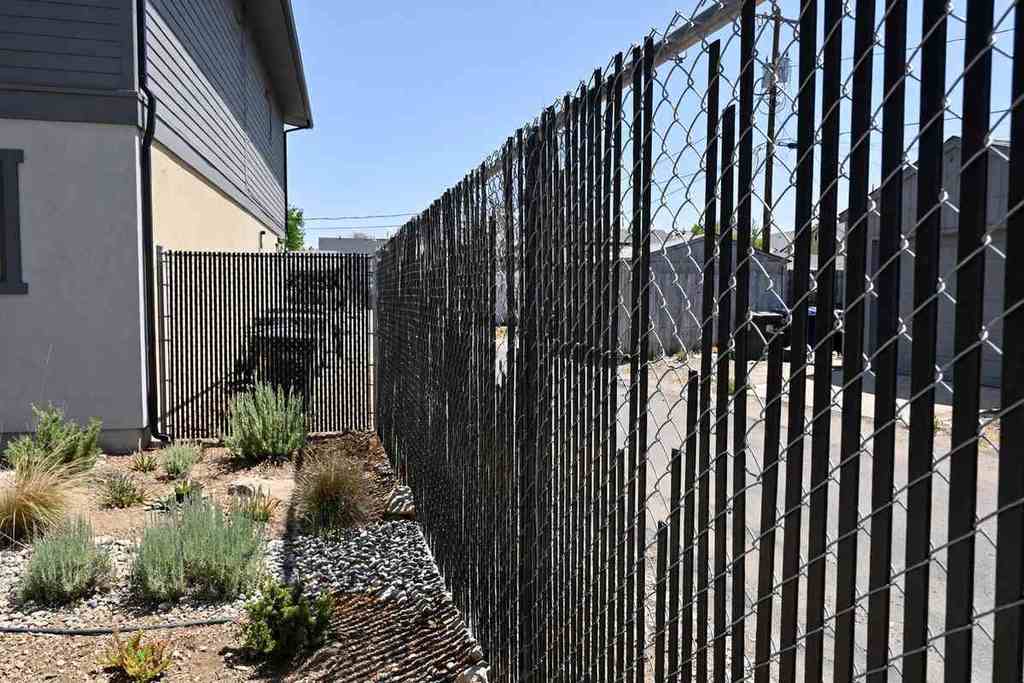
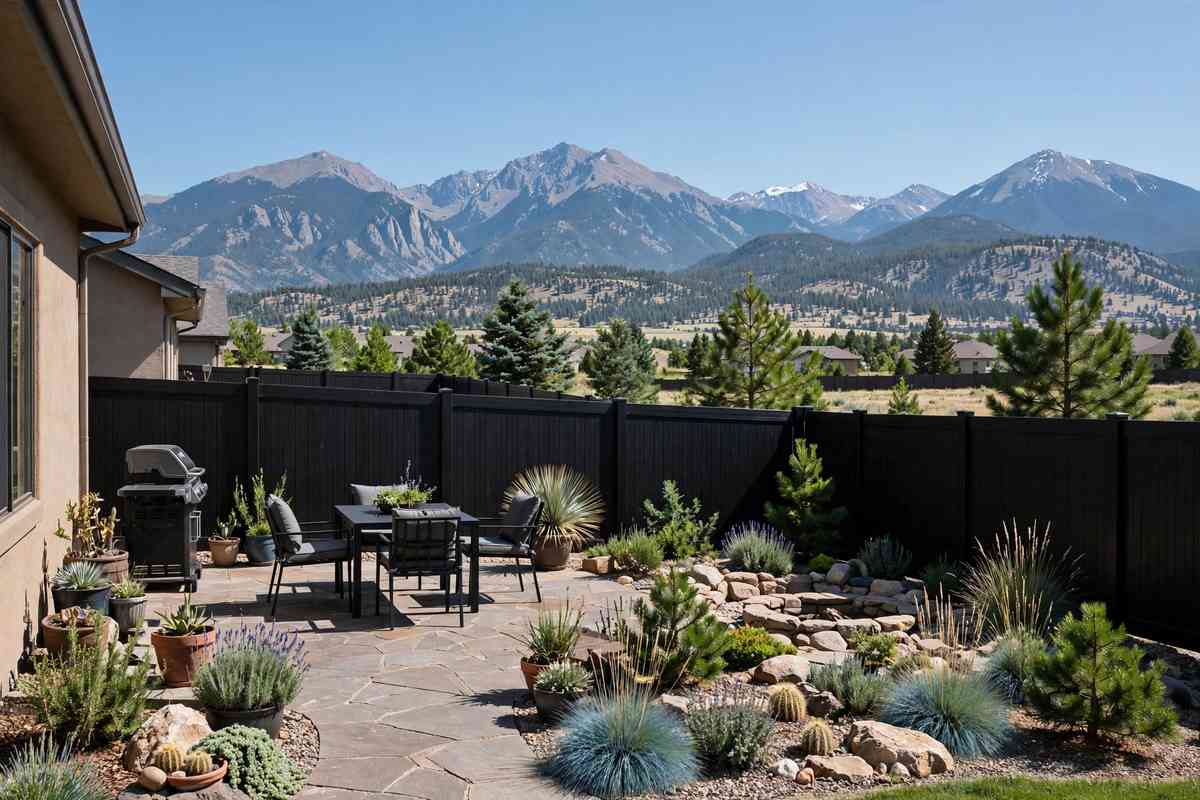
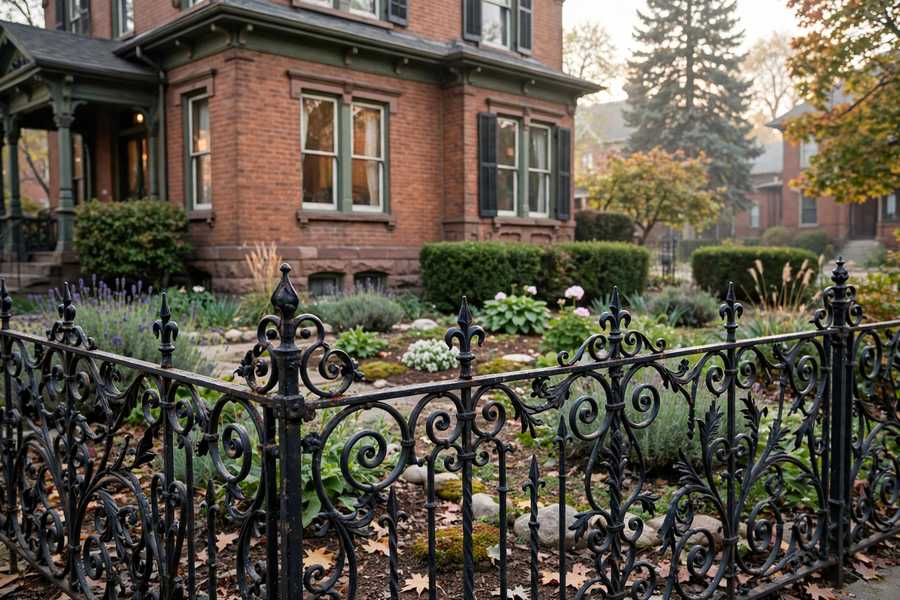
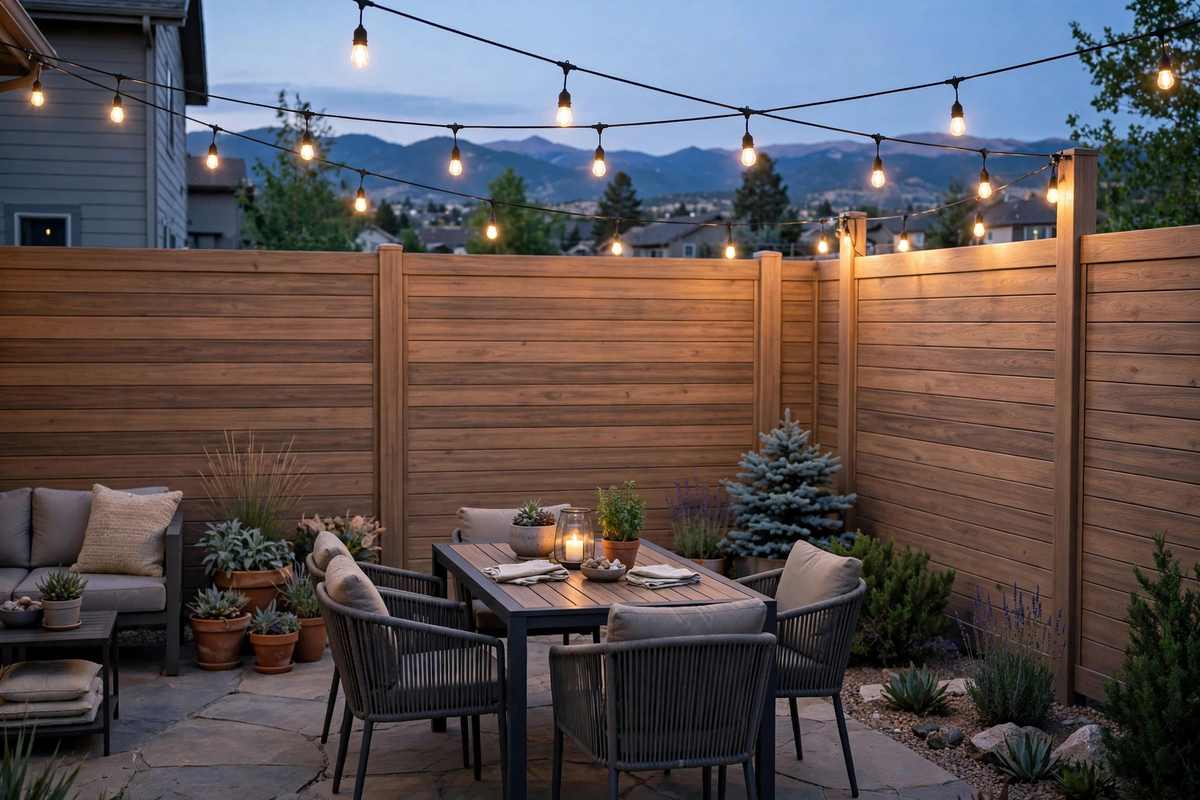
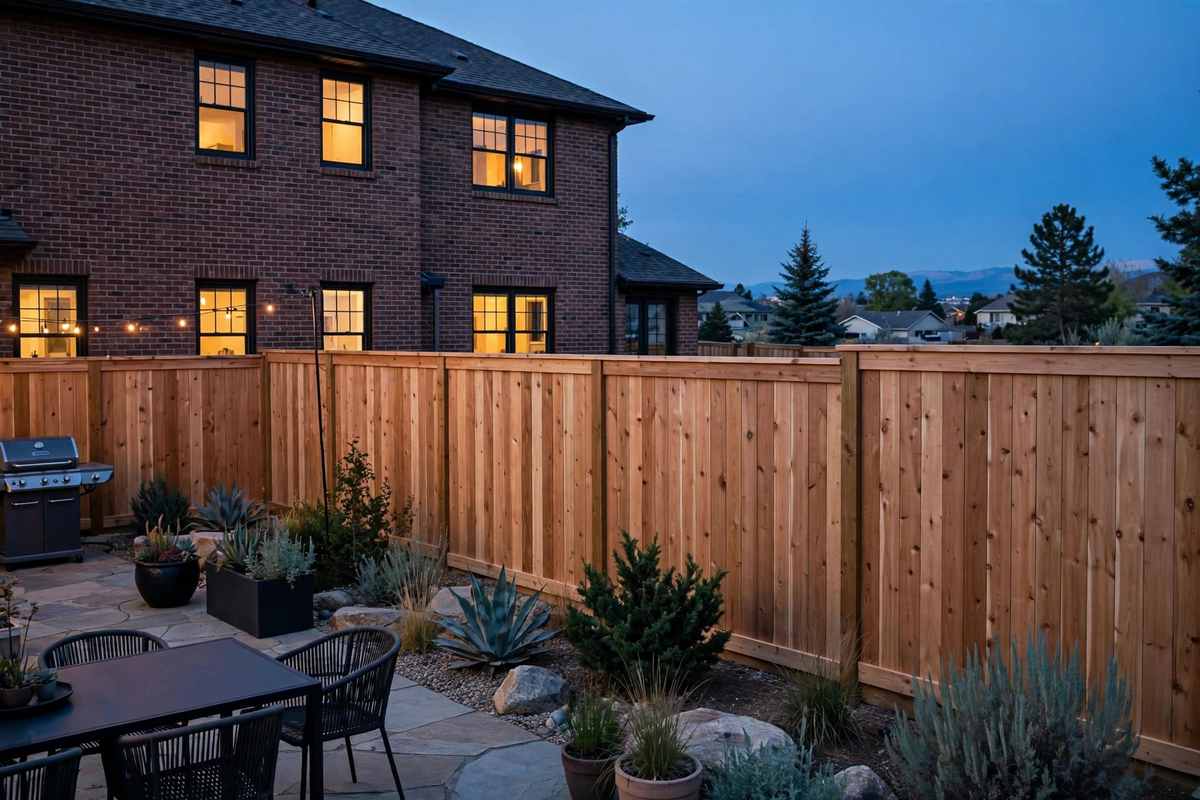

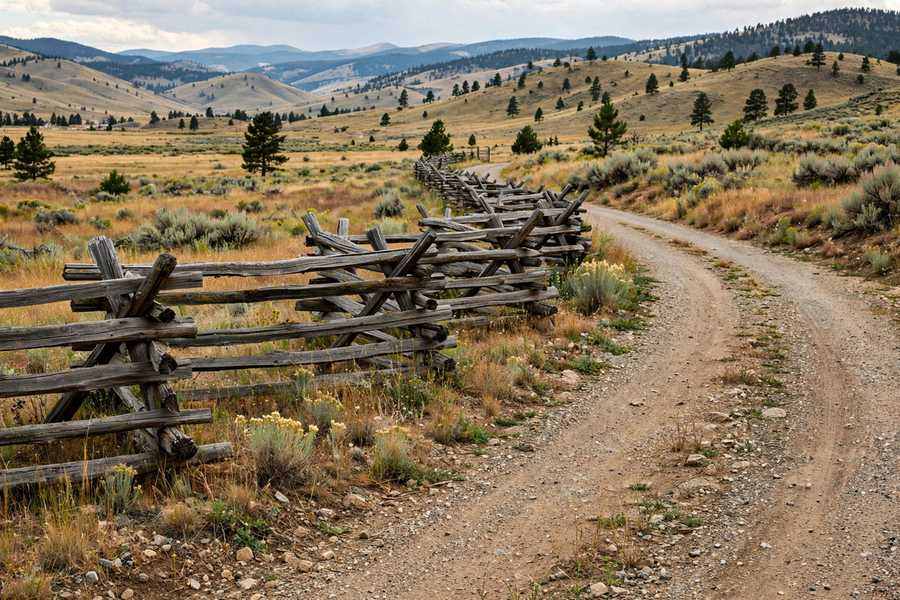
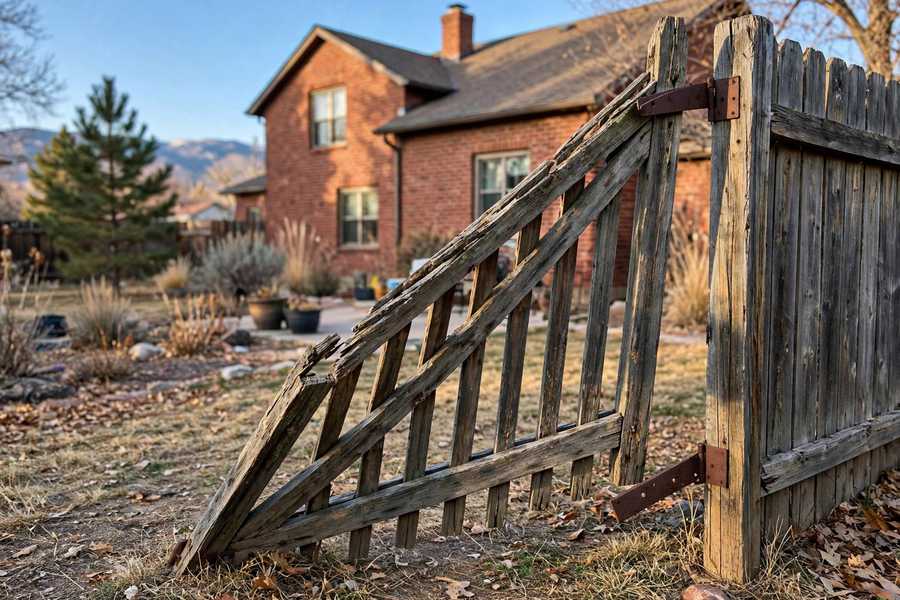
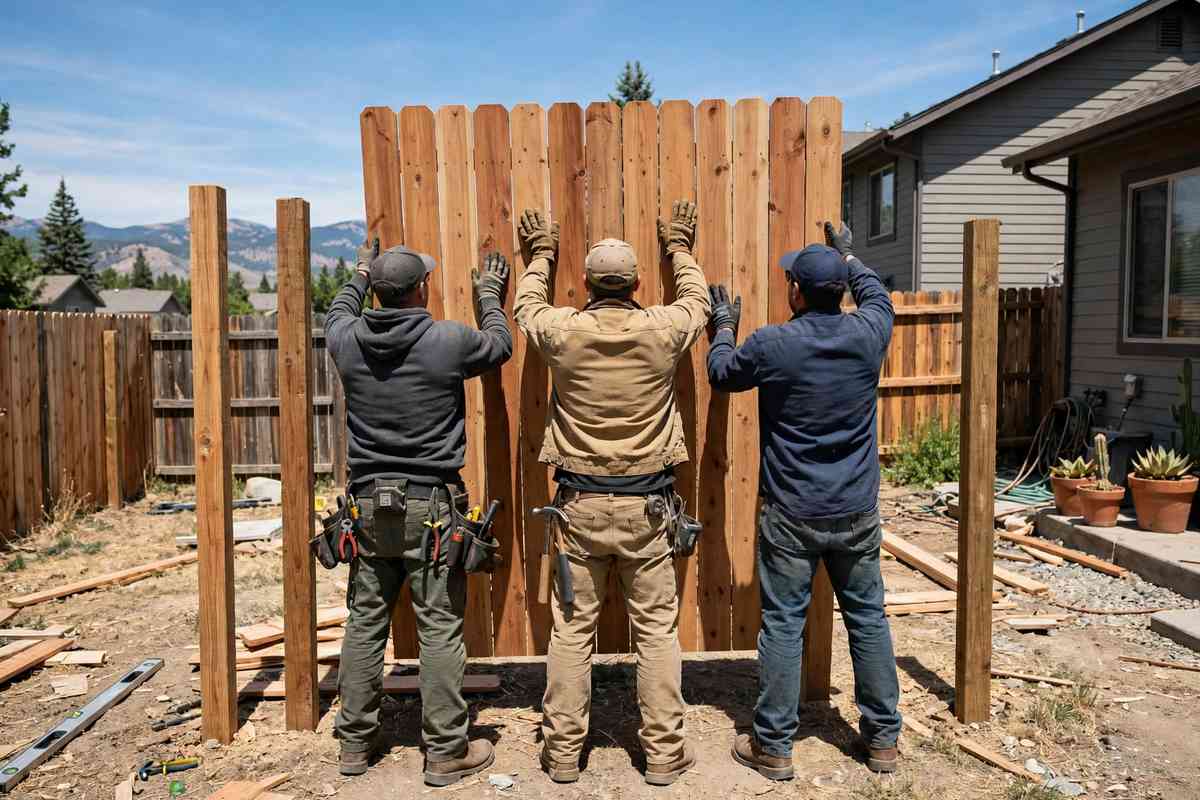

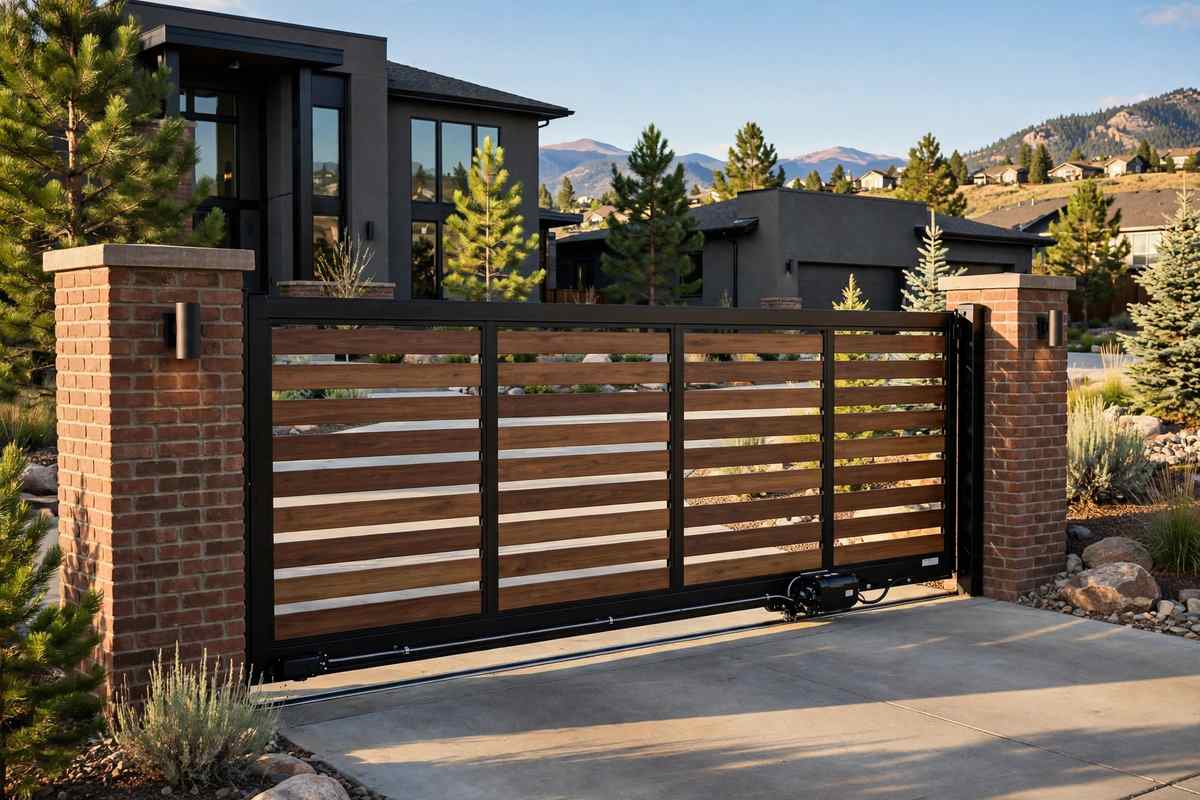
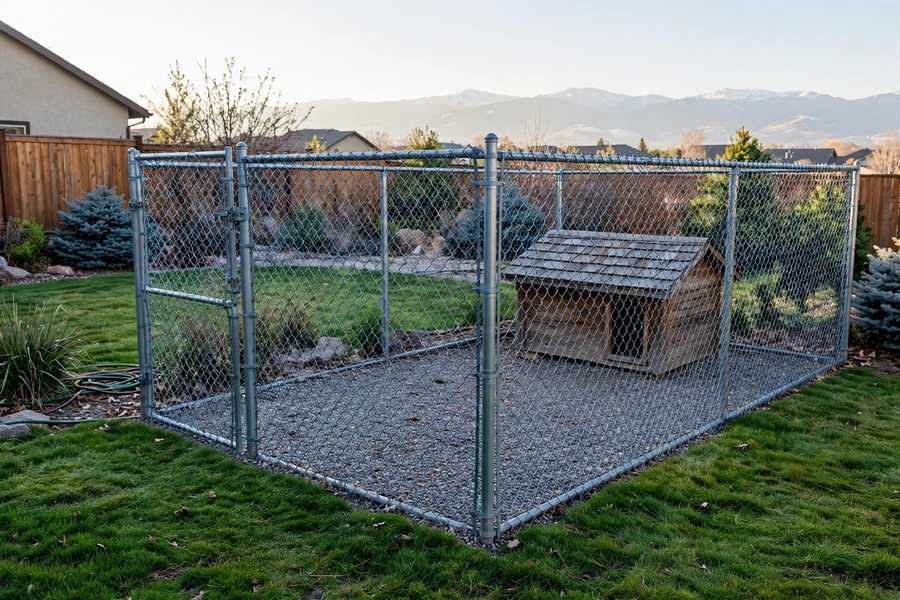
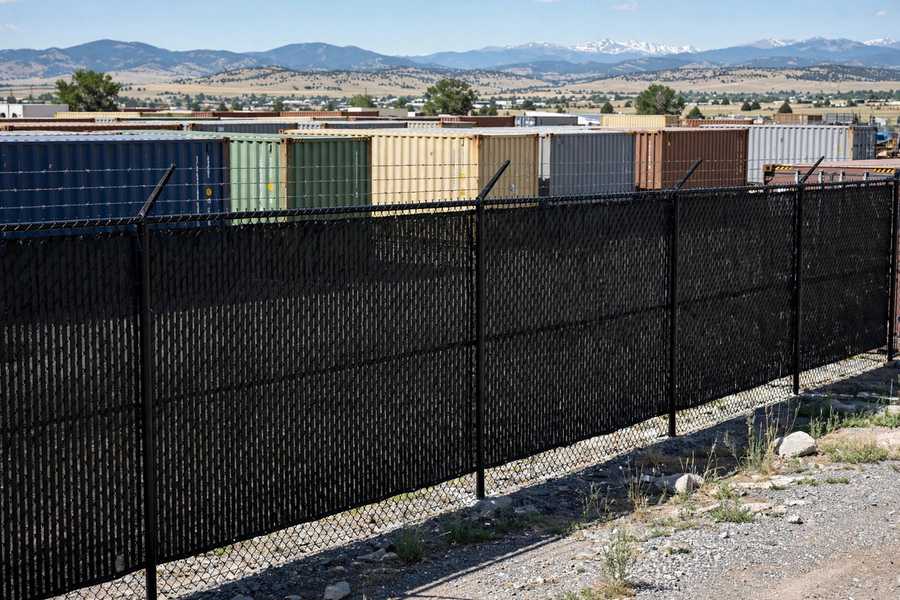
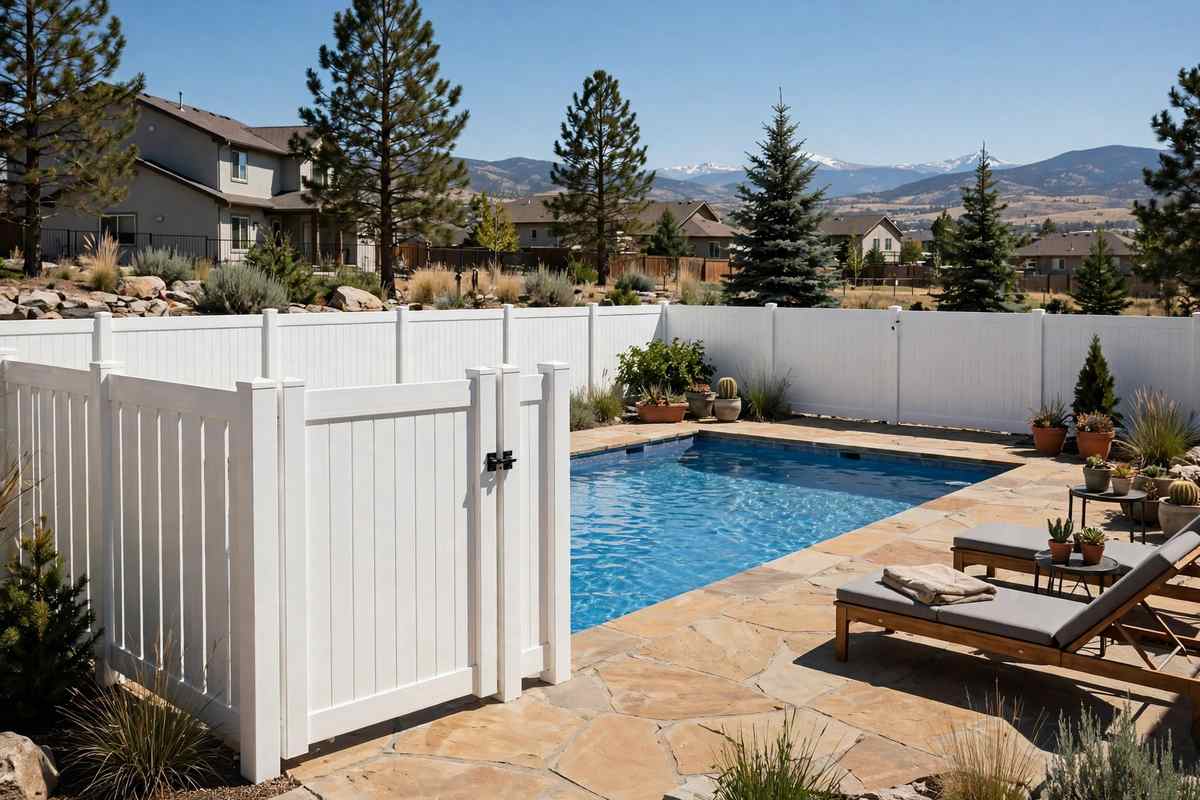
Five Points has its own set of fence problems, from the local housing stock, the ground, and the streets around it. Here are the four we see most often.
Many Victorians were sliced into multi-unit apartments — one is cited with more than 20 people in 4 units. Shared yards, multiple gates, and co-owner decisions are the norm, not the exception.
Downtown's diagonal grid meets east Denver's rectangular grid here. Corner lots are unusually angled, with complex sight triangles that cap the street-side run.
Homes on the RiNo edge back onto galleries, breweries, and warehouses. Rear security fencing and noise screening is the job, not garden privacy.
Coors Field and the Ballpark blocks on the southern edge bring event crowds and parking pressure. Fences and gates take event-day wear.
Five Points fences range from 1870s iron to new townhome slat. These are the signs yours needs work.
Iron fence is rusting at the base or at welds
Period iron rusts at ground level in clay soil. Early repair keeps it standing; late repair means fabrication.
Picket fence is leaning after winter
Freeze–thaw heave moves shallow posts a little each year until the whole run leans.
Rear fence backs onto a gallery or brewery
Check the gate hardware and the post bases — commercial neighbors wear the rear line harder than a garden neighbor.
Cedar is gray and soft at the ground line
High-altitude UV strips the finish, then moisture rots the pickets where they meet the soil.
Shared yard, no agreement on the fence
Subdivided Victorians need the co-owners or association to agree the material and the split before work starts.
Four things about Five Points that decide what fence goes where — and what rules apply to it.
Denver's first streetcar suburb, inside Five Points, with nearly 500 late-19th-century houses still standing. The Curtis Park Historic District is a Denver landmark district — check per address.
The “Harlem of the West” jazz corridor. Homes off Welton face a historic commercial spine and need rear screening and security, not just garden privacy.
The northern blocks are galleries, breweries, and warehouses with modern townhomes and lofts. Security fencing and modern horizontal slat define the edge.
Coors Field and the Ballpark blocks on the southern edge bring event crowds and parking pressure to fences and gates.
We work across Five Points' Victorian streets, the Welton corridor, and the RiNo and LoDo edges, and across the Denver neighborhoods listed below. Every job starts with a call, not a form. Tell us which side of Five Points you are on and we will confirm coverage.
Adjacent cities such as Aurora and Lakewood are not served. Call (720) 697-2456 to confirm we cover your Denver address.
Payless Fence Company is rated 4.9 out of 5 from 27 Google reviews. We publish the aggregate rating here and leave the individual review text on Google. Call (720) 697-2456 and we will talk through your Five Points fence job.
Five Points' fence calendar follows the ground, not the calendar on the wall — and the two historic layers, since Curtis Park iron and RiNo-edge townhomes age differently. The rush comes in spring, the best building weather in summer, the repair window in fall, and winter work depends on ground and forecast. Hail season here runs about mid-April to mid-September, peaking in May and June.
Spring is the busiest season in Five Points: the ground thaws and post-winter damage shows up all at once on the neighborhood's fences — leaned posts, heaved footings, Victorian iron that has shifted. It is the best time to find and fix freeze–thaw damage.
Walk your fence line in March. A post that leans now will lean further by June — and on a Victorian lot, the iron shows it first.
Summer is prime building weather: long days and dry ground, so concrete sets fast — but it is also peak demand and peak hail season. Vinyl is the most hail-vulnerable material; wood and metal fare better in a hailstorm, which matters on a RiNo-edge townhome.
After a hailstorm, check vinyl panels for cracks and horizontal-slat rails for splits before the damage spreads.
The window that matters is fall, while the ground is still workable and before the first freeze. Posts go back in concrete, and gate hardware on a Victorian lot gets adjusted before ice makes a dragging gate worse.
In September, walk the fence line and fix the small stuff before the first freeze.
We keep building through winter with frost augers and concrete additives, except below about 25°F, in heavy snow, or on saturated ground. Freeze–thaw lifts a shallow post a little higher each year.
The first big snow shows the weak posts — check the line once it clears.
Five Points sits among Denver neighborhoods with their own housing stock and fence rules. These are the closest pages in our Denver set.
(Denver neighborhood)
Mansion rows and apartment courts, where the work is often a rear parking enclosure or courtyard fence.
View Capitol Hill(Denver neighborhood)
Victorian brick and Potter-Highlands ironwork, with the LoHi restaurant strip on its eastern edge.
View Highland(Denver neighborhood)
North, South, and Northeast Park Hill in one hub — bungalows, Tudors, and deep 40-foot setbacks.
View Park HillReal answers for the questions we hear most often before a job starts in Five Points.
If you need a fence installed, repaired, or replaced in Five Points, call Payless Fence Company at (720) 697-2456. We are open Monday to Sunday, 7:00 AM to 8:00 PM, and we will talk through your Victorian lot or RiNo-edge townhome, and the rules that apply to your address.
Call (720) 697-2456 to talk about your fence in Five Points — Victorian iron in Curtis Park, or a RiNo-edge townhome run. We are phone-only, open Monday to Sunday, 7:00 AM to 8:00 PM. Tell us your address and which side of the neighborhood you are on.
Phone
(720) 697-2456Address
Payless Fence Company LLC, Denver, CO 80201, US
Hours
Monday–Sunday: 7:00 AM – 8:00 PM