
How to Stain a Fence in Denver’s Dry Climate
How to stain a fence in Denver's dry climate: prep, stain choice, timing, and how often. DIY maintenance guide.
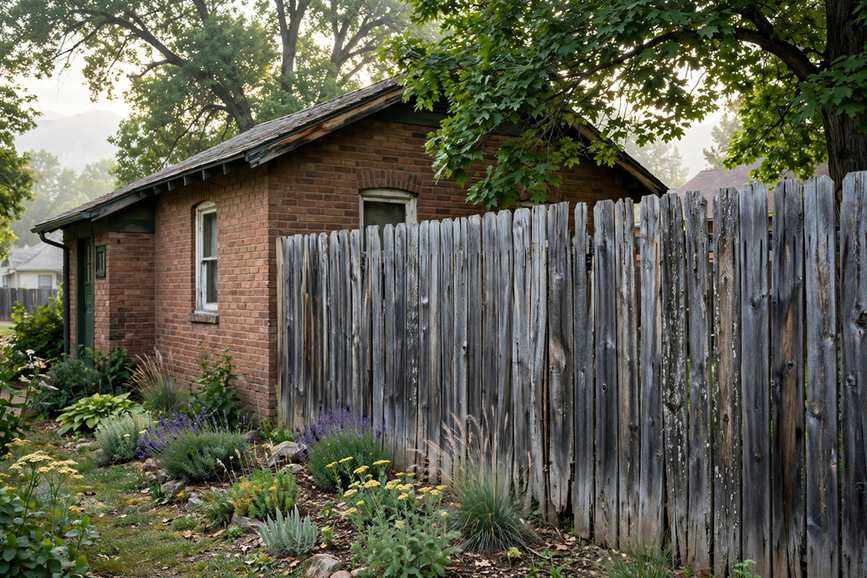
Staining a cedar fence in Denver's dry, high-UV climate: prep, stain choice, timing, and how often. DIY maintenance guide.
Why Denver is hard on stain
Denver gets 300+ sunny days a year, humidity of 25–40%, and UV that is stronger at 5,280 ft than at sea level. That combination bleaches cedar in two seasons and dries the wood until the end grain splits. A stain that lasts five years in a humid climate may last half that here, especially on south- and west-facing runs.
The fix is not a thicker coat. It is the right stain, applied to clean, dry wood, in the right weather.
Prep: the step most people skip
Clean the fence and let it dry completely. New cedar needs time to weather and dry before staining — stain applied to green wood will not take. Test the old finish by splashing water on it: if it beads, the old stain is still working; if it soaks in flat, it is time.
Sand any rough or splintered spots, and replace boards that are rotted at the ground line before you stain. Stain protects sound wood; it does not save rotten wood.
Application and timing
Use a penetrating stain with UV protection, and work in the shade: start early in the morning and follow the shade around the yard. Stain applied in direct summer sun skins over before it penetrates and leaves a patchy finish. Spring and fall are the best windows in Denver.
Two thin coats, brushed on, beat one thick coat. Pay attention to the end grain — post tops and picket tops — where water gets in. And one honest note: Payless Fence Company does not offer staining or sealing as a service. This is a maintenance guide for homeowners, not a service page.